
Community Sewing Hubs in the UK and How to Alter Your Clothes
By the DENISA teamPublished 5 min read
Quick answer
- Community sewing hubs provide free or low-cost workshops on basic alterations like hemming and waist adjustments.
- Learning to sew helps reduce waste and keeps favourite pieces wearable for longer.
- Start with simple projects such as taking up trousers or adding darts to tops.
- Many hubs welcome beginners and share tools and knowledge in a supportive environment.
Community sewing hubs in the UK bring together people who want to learn how to alter their own clothes. These local spaces offer hands-on workshops, shared machines and friendly guidance so you can hem trousers, adjust a waistband or take in a blazer without needing to buy new garments every season.
Building these skills supports a more sustainable approach to fashion. Instead of discarding something that no longer fits perfectly, you can make small changes that keep favourite pieces in regular rotation. Many hubs run regular drop-in sessions, evening classes or weekend courses across cities and towns.
Finding a Sewing Hub Near You
Start by searching for fabric shops, libraries or community centres that host sewing groups. Larger cities often have dedicated maker spaces while smaller towns use village halls or charity shops for weekly meet-ups. Websites of local councils and craft networks list current sessions. Some hubs focus purely on mending while others teach pattern cutting and garment construction.
If you live in a rural area, look for mobile sewing vans or pop-up events organised by sustainability organisations. Many run taster sessions so you can try before committing to a full course.
Essential Alteration Skills to Learn First
Begin with hemming. Learning to shorten trousers or skirts by hand or machine is one of the most useful skills. Measure the required length while wearing the garment and shoes you will pair it with. Pin carefully, then sew a straight line or use a blind hem stitch for an invisible finish on heavier fabrics.
Next, practise taking in side seams. A top that gapes at the armhole or a dress that feels loose at the waist can often be improved with simple darts or by sewing a new seam line. Always unpick any lining first and work from the inside. The Pink Collared Sleeveless Knit Dress has a soft knit that responds well to small adjustments at the side seams.
Adjusting Sleeves and Necklines
Sleeve length is another common fix. Shortening long sleeves on a blouse or adding cuffs can transform the fit. For necklines that sit too wide, adding small darts at the shoulder or inserting elastic can help. These tweaks make ready-to-wear pieces feel custom without starting from scratch.
Tools and Materials to Get Started
Good scissors, pins, a seam ripper, tailor's chalk and a measuring tape form the basic kit. A sewing machine makes faster work of straight seams but many alterations can be done by hand. Hubs usually provide machines so you can test different models before buying your own.
Thread should match the garment as closely as possible. For denim or tweed, use heavier thread. Keep spare zips, buttons and bias binding in neutral colours. When altering delicate pieces like lace or embellished items, refer to specialist care advice such as our guide on how to care for embellished clothes to avoid damage during handling.
Altering DENISA Garments at Home
Many of our styles respond well to small changes. The Asymmetric Lace Hem Blazer can be taken in slightly at the side seams to create a more defined shape while preserving the delicate lace detail. Work slowly around the lace trim to keep the original character.
A sleeveless top often benefits from a quick hem adjustment. The Floral Trim Sleeveless Top has a soft floral edge that needs careful pressing rather than heavy stitching. Use a cool iron and hand stitch if the trim is delicate.
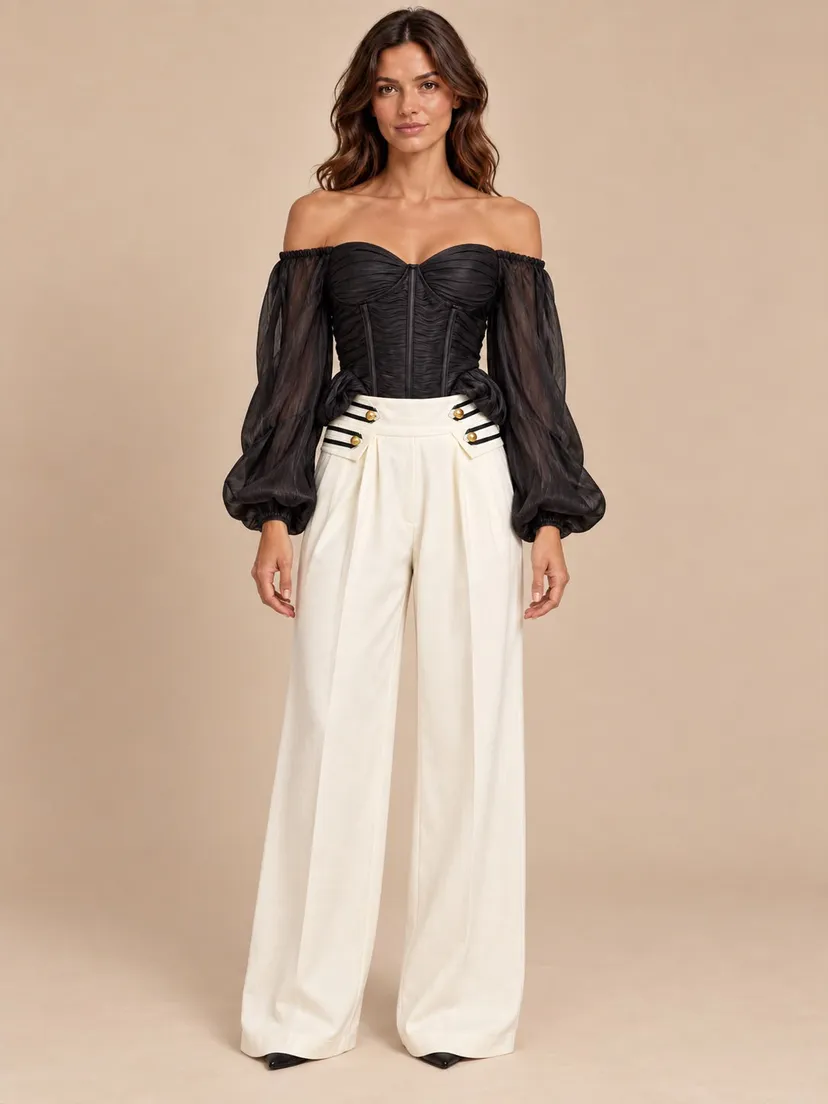
Wide-leg styles such as the Military Pleated Wide Leg Trousers can be shortened without losing the sharp front pleats. Mark the new hem while wearing them and maintain the original pleat depth when re-stitching.
How Alterations Support Sustainable Fashion
Learning to alter clothes reduces textile waste and lowers the demand for fast fashion. A garment that fits properly is worn more often and kept for longer. Community hubs also encourage swapping altered pieces or sharing fabric scraps, creating a circular system within the group.
Over time you may progress to upcycling, such as turning a dress into a blouse or adding pockets to a skirt. These projects build confidence and creativity while keeping materials out of landfill.
Avoiding Common Alteration Mistakes
Always measure twice and cut once. It is easy to take off too much length, especially on knit fabrics that can stretch. Try the garment on after each stage of pinning and again after basting.
Press seams as you go. A quick press with the correct heat setting makes a professional difference. For our dresses and tops, test the iron temperature on an inside seam first to protect special finishes such as metallics or embroidery.
If an alteration goes wrong, most hubs have volunteers who can help unpick and rescue the piece. Treat mistakes as part of the learning process rather than a reason to give up.
Building Confidence Through Regular Practice
Attend a hub once a month and bring one item each time. Start with something inexpensive or that you already dislike the fit of. As your skills improve, move on to better pieces. Sharing your before and after results with the group also helps others. Community sewing hubs thrive on this exchange of knowledge and encouragement. Over a year you can learn enough to handle most minor repairs and adjustments, keeping your wardrobe working harder and looking better for longer.
Shop the edit
 Military Pleated Wide Leg Trousers£99.99
 Asymmetric Lace Hem Blazer£99.99
 Floral Trim Sleeveless Top£69.99
 Pink Collared Sleeveless Knit Dress£59.99
Frequently asked questions
Do I need prior sewing experience to join a community hub?
Most hubs welcome complete beginners and offer introductory sessions. Staff or volunteers guide you through the basics before moving on to alterations.
What should I bring to my first sewing session?
Bring an item of clothing you want to alter, such as a pair of trousers that are too long. Hubs usually supply machines, scissors and thread.
Style notes from the DENISA team. Fit, fabric and care vary by piece, so always check the product page and the care label. Back to the DENISA blog.