
Monoculture Fabrics: What They Are and How to Build a More Diverse Wardrobe
By the DENISA teamPublished 5 min read
Quick answer
- Monoculture farming grows one crop repeatedly, stripping soil nutrients and reducing wildlife habitats.
- Common examples include conventional cotton, bamboo viscose from single plantations, and some linen monocultures.
- This leads to lower genetic diversity in plants, making them vulnerable to pests and climate change.
- Opt for varied natural fibres, support regenerative practices, and mix fabric types in your outfits.
Monoculture fabrics are those produced from crops grown in vast single-species plantations, where one plant type dominates the land year after year. This farming method reduces biodiversity by limiting habitats for insects, birds and soil organisms, even when the end product is marketed as sustainable. Understanding this helps us make more informed choices about the fibres we wear.
The good news is that small shifts in what we buy and how we build our wardrobes can support more varied growing methods. By mixing fabrics and favouring pieces from brands that consider fibre diversity, we can enjoy beautiful clothes without adding to the problem.
What Monoculture Means for Fabric Production
Monoculture refers to the agricultural practice of cultivating a single crop over large areas with little rotation or intercropping. In fashion, this often involves cotton, bamboo or even some flax grown in uniform fields. The result is faster, cheaper fibre supply but at a cost to the land. Soil becomes compacted and nutrient-poor, requiring more fertiliser and pesticides that then run off into waterways.
Reduced plant diversity also means fewer pollinators and beneficial insects, weakening the entire local ecosystem. Over time these fields become more vulnerable to disease and extreme weather because there is no natural genetic variation to help crops adapt.
Common Monoculture Fabrics in Wardrobes
Conventional cotton is the most obvious example. It is often grown in huge monoculture fields that demand intensive irrigation and chemicals. Bamboo viscose, while promoted as eco-friendly, frequently comes from single-species plantations that replace native forests. Even linen can come from monocropped flax if not grown with care.
Many synthetic blends start with petroleum but are sometimes mixed with these plant fibres, compounding the issue. The key is recognising that a “sustainable” label on a garment does not automatically guarantee diverse or regenerative growing methods.
Why Biodiversity Matters in Fashion Choices
Biodiverse farming systems support healthier soil that stores more carbon and needs fewer inputs. They also preserve genetic variety in plants, which is vital as climate patterns shift. When we buy clothes made from monoculture fibres we indirectly support systems that erode this resilience.
On a practical level, varied fibres behave differently. A wardrobe built on only one or two fibre types is less adaptable to seasons and occasions. Mixing materials improves longevity because you can rotate garments and avoid over-washing any single type.
How to Spot and Choose Better Alternatives
Look for brands that mention regenerative agriculture, crop rotation or mixed farming systems. Certifications can help, but they vary in strictness, so reading the full material breakdown remains important. Natural fibres from small-scale or mixed farms tend to have more varied textures and dyes that age beautifully.
Consider the full garment. A piece that combines two complementary fibres, such as a wool blend or cotton with a touch of linen, can offer better performance than a pure monoculture fabric. Check care labels too. Fibres from healthier systems often require gentler washing, which extends garment life.
Practical Wardrobe Swaps
Replace multiple plain cotton basics with a few higher-quality pieces in different fibres. Choose wool or wool-blend knitwear for warmth instead of acrylic. Opt for linen or hemp blends when possible. Even small changes add up.
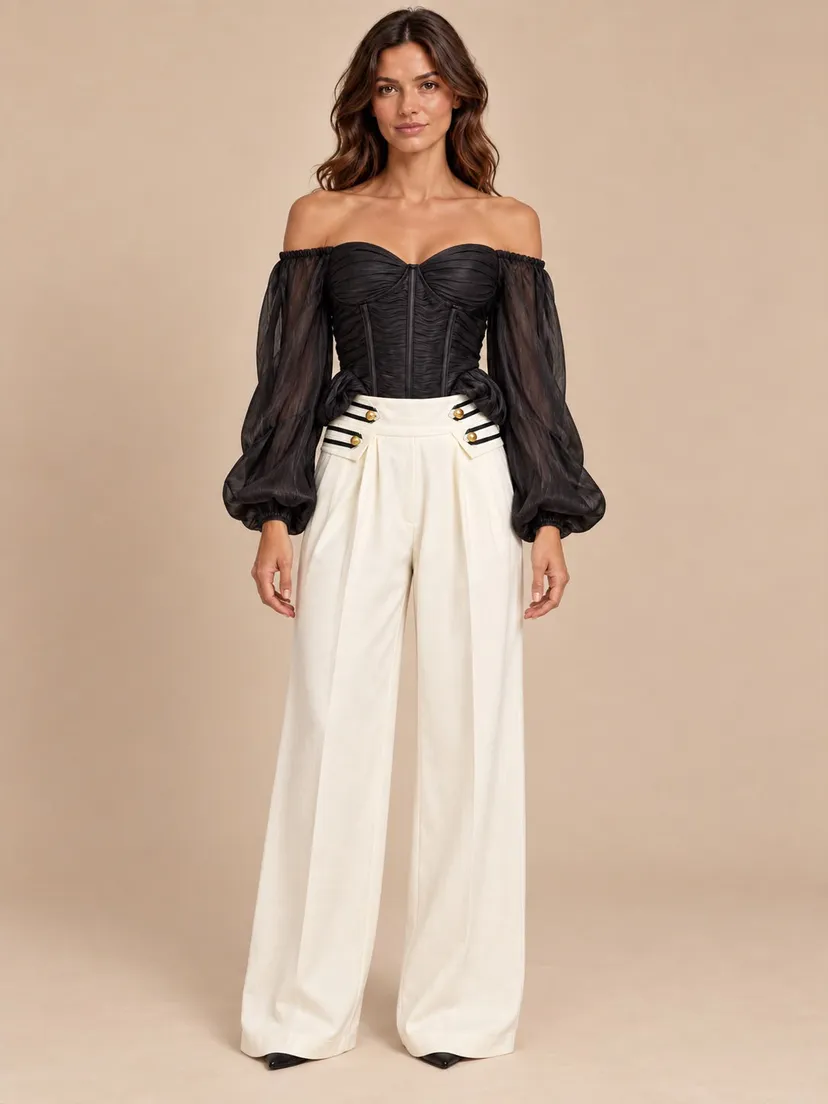
Invest in versatile styles that work across seasons. For example, the Pink Collared Sleeveless Knit Dress uses a soft knit that layers easily under blazers or over shirts, reducing the need for many single-use items. Similarly, the Military Pleated Wide Leg Trousers in a structured fabric pair with many tops, maximising wear from fewer garments.
Building a Diverse Wardrobe That Lasts
Aim for balance. Include structured wools, soft knits, crisp cottons or linens, and occasional luxury touches such as satin or tweed. This variety not only supports different farming methods but also makes dressing easier because each piece has a clear role.
Our Sets & Co-ords make mixing straightforward. The Black Suede-Effect Two-Piece Trouser Set can be worn together or separately, instantly creating multiple looks from one purchase. Pair the trousers with the Tartan Check Peplum Blazer for texture contrast and a more interesting silhouette.
Layering different fibres also helps with temperature regulation. A lightweight blouse under a heavier knit cardigan uses less energy than constantly adjusting heating or air conditioning. Over time this approach reduces overall consumption.
The Role of Care, Mending and Lining
Fabrics from more balanced systems often reward careful handling. Mend small holes promptly and use cool washes. Our guide Why Lining Matters in Clothes explains how proper lining protects delicate outer fabrics and extends their life, reducing the need to replace items frequently.
Choosing lined jackets and skirts means the main fabric experiences less direct wear. The Asymmetric Lace Hem Blazer benefits from this approach, keeping its shape and detail for many seasons.
Long-Term Benefits for You and the Planet
By deliberately selecting pieces in varied natural fibres you create a wardrobe that feels more personal and performs better. Garments that complement each other are worn more often, which justifies investing in quality construction and detailing.
Over years this reduces waste and shopping frequency. It also supports farmers who maintain biodiversity, helping to protect the landscapes that ultimately supply our clothes. The result is a more resilient personal style and a smaller environmental footprint.
Start small. Next time you need a new top or pair of trousers, pause to consider the fibre story behind it. Choose thoughtfully, wear fully, and repair when needed. These habits turn biodiversity awareness into everyday wardrobe wisdom.
Shop the edit
 Military Pleated Wide Leg Trousers£99.99
 Black Suede-Effect Two-Piece Trouser Set£109.99
 Pink Collared Sleeveless Knit Dress£59.99
 Tartan Check Peplum Blazer£109.99
Frequently asked questions
What is the main environmental risk of monoculture fabrics?
The main risk is loss of biodiversity and soil degradation. Growing the same crop year after year depletes nutrients and increases reliance on chemical inputs that harm surrounding ecosystems.
Can sustainable fashion still use monoculture fabrics?
Yes. Many eco-labelled pieces use organic cotton or bamboo from large single-crop farms. Checking fibre diversity and origin helps identify truly mindful choices.
Style notes from the DENISA team. Fit, fabric and care vary by piece, so always check the product page and the care label. Back to the DENISA blog.