
The One New Piece Per Season Rule
By the DENISA teamPublished 5 min read
Quick answer
- Commit to one new item each season and plan it around your existing wardrobe.
- Focus on versatile pieces that work with what you already own.
- Audit your closet first so every addition genuinely fills a gap.
- Choose quality items designed for repeated wear across occasions.
The one new piece per season rule is a practical approach to mindful consumption that limits new purchases to four items a year. It forces you to really consider what you add to your wardrobe and ensures each piece earns its place by working hard with what you already own.
Following this challenge encourages slower, more sustainable fashion habits without leaving you stuck in the same outfits. It shifts the focus from constant newness to creativity, curation and cost-per-wear value. Here’s how to set it up and make it stick.
Set Your Own Consumption Rules
Before you begin, decide exactly what counts as your one piece. Is it one complete outfit, one top or bottom, or one hero item such as a dress or jacket? Be honest about your lifestyle. If you attend many formal events, that single piece might be an evening dress. If your days are spent in the office or on the move, a versatile jacket or co-ord set will serve you better.
Write your rules down. For example: one new garment per calendar season, no duplicates of items you already own in the same colour or silhouette, and the piece must be worn at least ten times in its first year. These boundaries remove decision fatigue and impulse buys.
Audit Your Wardrobe Before Adding Anything
Start with a full closet clear-out. Lay everything out by category – all your tops, trousers, dresses and jackets. Note the gaps. Do you have plenty of evening options but nothing smart for daytime meetings? Are your basics worn out while your occasionwear sits unused?
Try the one-in-one-out rule during the audit. For every new piece you plan to buy, identify something you will retire or donate. This keeps the total number of items steady and forces you to confront whether the new arrival is truly better than what you already have.
Identify Real Gaps, Not Trends
Ask yourself three questions about every potential purchase: Does it fit my current life? Will it work with at least three existing outfits? Is the fabric and construction good enough to last several seasons? If the answer is no to any of these, walk away.
Choose Versatile Heroes That Work Harder
The smartest single piece per season is almost always something that bridges multiple occasions. A well-cut blazer, for instance, can be worn buttoned as a top, open over a dress, or with matching trousers. The Asymmetric Lace Hem Blazer does exactly that, moving from office to evening.
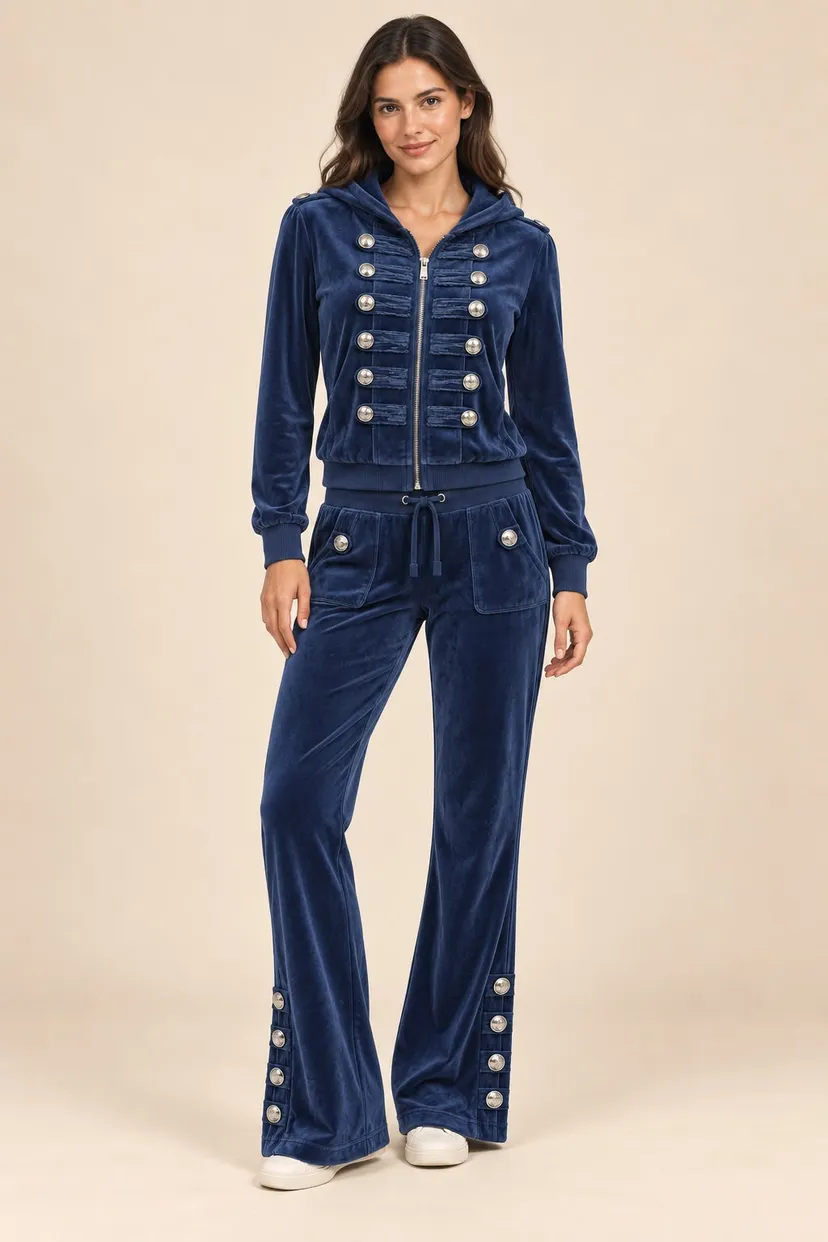
Co-ord sets are another clever choice because they give you a complete look immediately but can be split and worn separately for far more mileage. The Studded Zip Jacket & Trousers Co-ord Set is a prime example – wear it together for weekends away, then style the jacket over dresses and the trousers with knits or blouses you already own.
Style What You Already Own in New Ways
The real skill in this challenge is rediscovering your current wardrobe. Before buying your seasonal piece, spend a weekend doing mix-and-match sessions. Pair formal trousers with casual knits, or try a slip dress under a chunky cardigan and trainers.
Accessories make a surprising difference. A different belt, scarf or pair of shoes can make the same dress look like three different outfits. Keep a notebook or phone album of these combinations so you remember them when getting dressed feels repetitive.
Align Purchases With the Seasons
Think about the practical demands of each season in the UK. Autumn might call for a tailored layer that works over both dresses and knits. Winter needs something warm yet smart enough for parties – perhaps the Military Gold Button Short Sleeve Knit Top layered under a coat or worn on its own with wide-leg trousers when the heating is on.
Spring and summer allow lighter buys. A fresh blouse or day dress that can be dressed up or down prevents you wasting your one slot on something too narrow in use. The Black Suede-Effect Two-Piece Trouser Set works year-round because the fabric feels substantial enough for cooler months yet looks polished in warmer weather when worn separately.
Track Cost Per Wear to Measure Success
Use a simple cost-per-wear approach to judge whether your new piece is pulling its weight. Divide the price by the number of times you wear it. The goal is to get that figure as low as possible by wearing the item often. Our guide to buying fewer, better pieces explains the maths in more detail and includes a calculator you can use.
After each season, review what you bought. Did it get worn? Did it work with your existing clothes? Adjust your rules for the next round based on what you learned. This honest review is what turns the challenge from a temporary experiment into a lasting habit.
Build a Thoughtful Capsule Over Years
After four seasons you will have added only four new items, but if chosen carefully they will have transformed how you dress. The wardrobe slowly becomes full of pieces you genuinely love and reach for rather than items bought on a whim.
Over time this creates a more sustainable cycle. You buy less, waste less, and spend money on quality rather than quantity. The confidence that comes from knowing every item has a purpose is worth far more than the fleeting hit of another new purchase.
The one piece per season challenge is not about deprivation. It is about clarity, creativity and building a wardrobe that truly reflects you. Start small, stay consistent, and watch how your relationship with clothes changes for the better.
Shop the edit
 Studded Zip Jacket & Trousers Co-ord Set£139.99
 Asymmetric Lace Hem Blazer£99.99
 Military Gold Button Short Sleeve Knit Top£69.99
 Black Suede-Effect Two-Piece Trouser Set£109.99
Frequently asked questions
Does the one piece per season rule include sales or gifts?
Stick to the spirit of the rule by counting every new item you bring in, whether bought, gifted or found on sale. This keeps the focus on intentional choices rather than loopholes.
What if I need something specific mid-season?
Wait until the next season unless it replaces a worn-out essential. Most wardrobe gaps can be solved by restyling existing pieces in the meantime.
Style notes from the DENISA team. Fit, fabric and care vary by piece, so always check the product page and the care label. Back to the DENISA blog.