
How to Calculate the Water Footprint of Your Knitwear
By the DENISA teamPublished 4 min read
Quick answer
- Water footprint includes blue, green and grey water across fibre production, manufacturing and care.
- Merino wool and organic cotton generally have lower footprints than conventional cotton or synthetics.
- Washing less, using cold water and air-drying cuts lifetime impact significantly.
- Choose durable knitwear that lasts seasons rather than single-use items.
The water footprint of knitwear measures the total volume of freshwater used and polluted to produce and care for a garment over its life. It covers water for growing fibres, processing yarn, dyeing, finishing and the washes you give it at home. Understanding these numbers helps you choose and look after pieces like knit tops and dresses in ways that genuinely reduce impact.
Calculating it is not as simple as reading a label. It requires adding up figures from each stage and factoring in how long you keep the item. This article gives you the practical steps to do it yourself with the information available today.
What Is a Water Footprint?
A water footprint has three parts: blue water (surface and groundwater), green water (rainwater stored in soil) and grey water (the volume needed to dilute pollution). For knitwear the biggest shares usually come from fibre production and repeated home laundering.
Comparing Fibres Used in Knitwear
Different fibres have very different water demands. Conventional cotton uses more irrigation than some alternatives. Merino wool and organic cotton can use less because sheep drink rainwater and organic systems improve soil retention. Recycled fibres avoid the initial growing stage altogether.
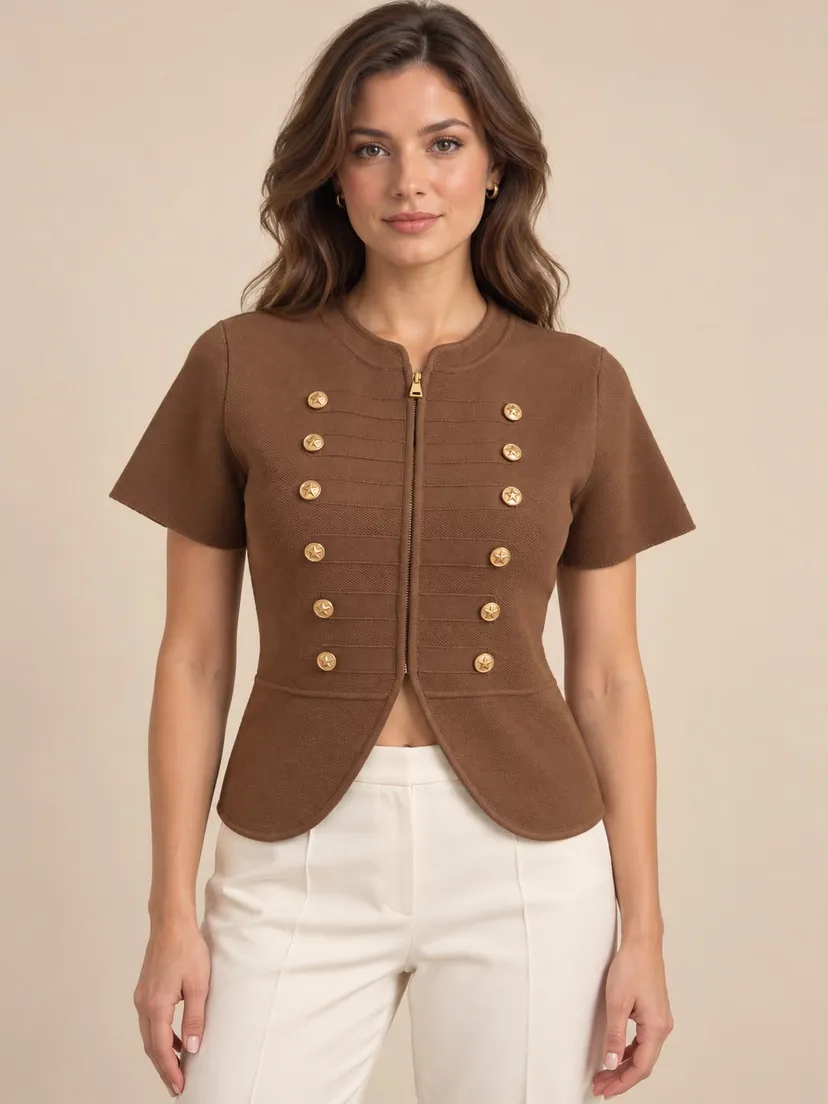
When you look at our Knitwear category you will see pieces in soft knits that lend themselves to durable natural fibres. The Military Gold Button Short Sleeve Knit Top in its warm-season weight is an example of knitwear designed to be worn often rather than discarded after one season.
Synthetics and Blends
Polyester and acrylic have a lower production footprint for water but create grey water through microplastic shedding during washes. Blends can be harder to recycle at end of life, extending their overall impact. Pure natural fibres that biodegrade are usually the clearer choice for long-term water accounting.
Manufacturing and Dyeing Impact
After fibre comes spinning, knitting, dyeing and finishing. Traditional dyeing can use large volumes of water per kilo of fabric and often pollutes if untreated. Look for brands that use low-water or natural dyeing processes. Choosing fewer seasonal trends and investing in quality reduces the number of garments manufactured over time.
Our Pink Collared Sleeveless Knit Dress is made in a soft knit that aims to stay in your wardrobe for years, spreading its production footprint across many wears.
How to Calculate the Footprint of One Piece
- Find the fibre composition and weight (most labels give grams or use an online fibre database for averages).
- Multiply by the standard water factor for that fibre.
- Add manufacturing estimates depending on dyeing method.
- Estimate lifetime washes: assume wears per year and one wash every three to five wears for knitwear.
- Multiply washes by water per cycle (a typical machine uses water on a cold delicate programme).
- Divide total water by expected years of use for an annual figure.
Online calculators from water-footprint.org or similar neutral sources can help with the base numbers. Keep records of your own washing habits for accuracy.
Reducing the Lifetime Water Footprint
The care you give after purchase often outweighs production impact for frequently washed items. Knitwear benefits hugely from being worn multiple times before washing. Spot cleaning, airing and using wool-friendly detergents keep garments fresh longer.
Follow our existing guide on how to wash knitwear to avoid shrinkage and the need for frequent replacement. Cold water, gentle spin and flat drying preserve shape and reduce energy and water use.
Choose styles that work hard in your wardrobe. The Cropped Cable Knit Roll Neck Jumper layers under blazers or with wide-leg trousers, giving you more outfits from one piece and fewer total garments over time.
Longevity, Mending and End of Life
A jumper worn for five years instead of one has a lower annual water impact. Repair small holes promptly and store correctly to prevent moths; see our guide how to store knitwear and prevent moths.
When a garment reaches the end of its useful life, choose natural fibres that can be composted or recycled through specialist schemes rather than sent to landfill. This avoids additional pollution that would count in the grey-water part of its footprint.
Practical Choices When Shopping
Look for durability indicators: good stitch structure, reinforced seams and timeless rather than trend-led designs. Our Sets & Co-ords often include knit elements that coordinate with existing wardrobe pieces, helping you buy less overall.
Prioritise natural fibres from responsible sources, check for low-impact finishing where disclosed, and buy fewer, better items you will wear repeatedly. A well-made knit top or dress that becomes a favourite for several seasons delivers the best water return on every litre used to create it.
Small consistent changes in buying and care add up. By measuring the water footprint of your knitwear and acting on the numbers you can dress with less impact while keeping the confident, polished looks that define your style.
Shop the edit
 Military Gold Button Short Sleeve Knit Top£69.99
 Cropped Cable Knit Roll Neck Jumper£59.99
 Pink Collared Sleeveless Knit Dress£59.99
Frequently asked questions
Does buying British-made knitwear reduce its water footprint?
It can help by shortening transport distances, but the largest share comes from fibre and yarn production. Focus first on natural fibres and longevity.
How does knitwear care affect its total water footprint?
Frequent washing in hot water or using a tumble dryer multiplies the footprint. Gentle cold washes and air-drying keep the lifetime total far lower.
Style notes from the DENISA team. Fit, fabric and care vary by piece, so always check the product page and the care label. Back to the DENISA blog.