
How to Do a Wardrobe Circularity Audit
By the DENISA teamPublished 5 min read
Quick answer
- Score each garment on a 1-10 scale across four criteria: durability, versatility, repairability and emotional value.
- Tally the results to identify high-circularity pieces worth keeping and low-scorers that need attention.
- Use the findings to guide future buys towards versatile, well-made items that work harder in your wardrobe.
- Repeat the audit seasonally to track progress and refine your style over time.
A wardrobe circularity audit is a practical way to examine how well your clothes support repeated use, repair and versatility instead of fast replacement. This personal audit tool uses a clear scoring system so you can see which pieces truly earn their space and which might need mending, altering or retiring.
By scoring each item honestly you gain insight into your habits and can make more considered choices next time you shop. The process takes an afternoon and leaves you with a clearer, more intentional wardrobe.
Preparing for Your Audit
Choose a quiet time when you can spread everything out. Empty your wardrobe, drawers and any storage boxes. You will need a notebook or spreadsheet, a tape measure and good lighting. Group similar items together: all trousers, all tops, all dresses and so on. This makes comparison easier.
Take a quick photograph of each category before you start scoring. These images help you track changes when you repeat the audit in six months.
The Four-Part Scoring System
Give every garment a score from 1 to 10 on each of four criteria. Be honest; the numbers are for your eyes only. Add the four scores for a total out of 40. Anything above 32 is strong; below 20 suggests the piece may not be pulling its weight.
1. Durability
Ask how many more seasons this item can realistically last with normal wear and proper care. Look at seam strength, fabric weight, whether hems have started to fray and if zips still glide smoothly. A heavy cotton blouse that has survived three years of regular washing scores higher than a delicate piece already showing wear after one season.
2. Versatility
Count how many different outfits you can realistically create with it. Can it be worn with both trousers and skirts? Does it work for daytime meetings as well as evening events? A Sweetheart Neck Long Sleeve Corset Top that moves from office to dinner with just a change of bottoms scores well. A highly embellished piece that only suits one occasion scores lower.
3. Repairability
Consider whether the garment can be mended easily. Are spare buttons included? Is the fabric widely available for patching? Simple styles in solid colours are usually easier to repair than heavily patterned or technically constructed pieces. Military-style details on a pair of Military Pleated Wide Leg Trousers can often be refreshed with new thread or a replaced zip.
4. Emotional Value
This is the one subjective element. Does wearing the item still give you genuine pleasure or confidence? If it no longer fits your life or self-image, even a technically perfect piece may not be circular for you. Be kind but realistic.
What High-Scoring Pieces Look Like
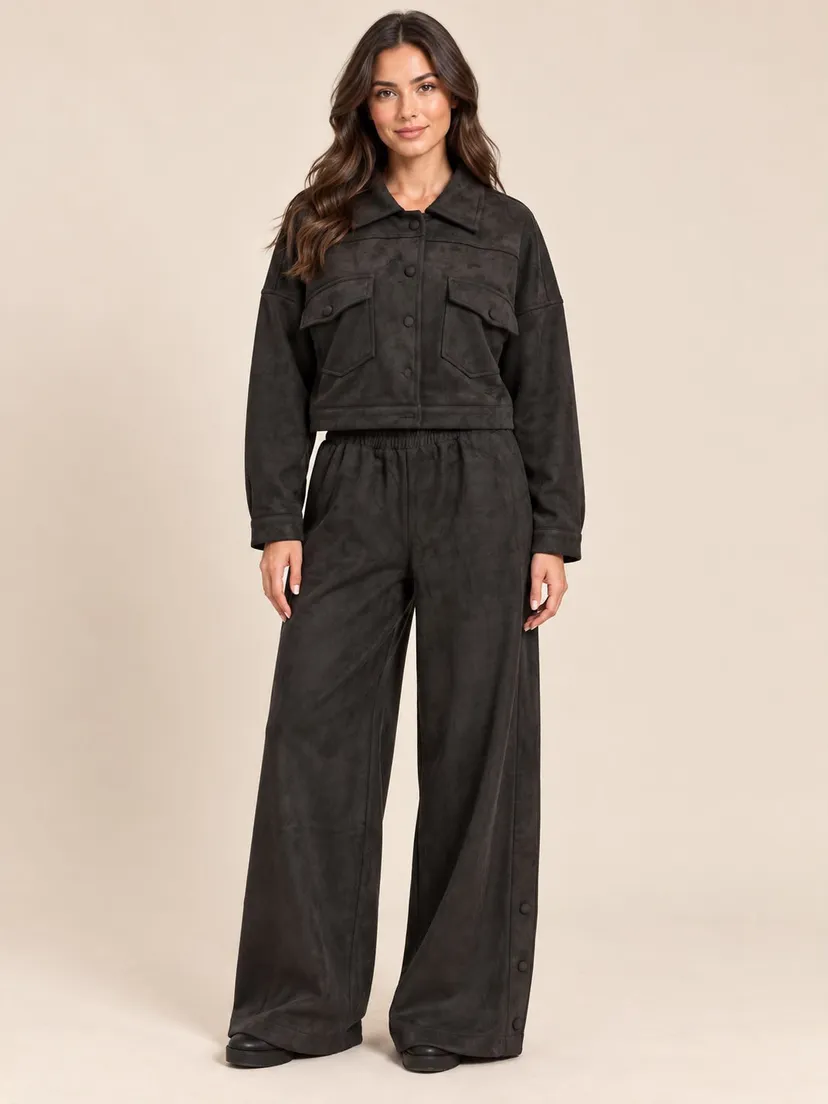
Strong circular pieces tend to be well constructed, made from substantial fabrics and easy to style in multiple ways. Look at how a Black Suede-Effect Two-Piece Trouser Set can be worn together or separately, dressed up with heels or down with trainers. Its versatility pushes the score higher because the top and trousers each earn their keep independently as well as together.
A tailored Asymmetric Lace Hem Blazer also performs well. You can wear it buttoned as a top, open over dresses, or with jeans at the weekend. The lace detail adds interest without limiting its use.
Dealing with Low Scores
Items that score below 20 usually fall into a few categories. They may be uncomfortable, dated in a way that no longer suits you, poor quality, or simply not your style anymore. Rather than discarding them immediately, ask whether a small alteration could raise the score. A tailor can often adjust a hem, replace a zip or reshape shoulders.
If repair is not realistic, consider selling through reputable resale sites, donating to textile recyclers or using the fabric for other projects. The goal is to prevent anything from simply sitting unused.
Using Your Results to Shop Smarter
Once you have the scores, look for patterns. If many low scorers are impulse buys in trendy colours, you might decide to avoid those shades next season. If versatility is your weakest area, prioritise pieces that work across occasions.
Our guide on building a capsule wardrobe that includes evenings can help you identify the gaps your audit reveals. Focus future purchases on items that would score at least 30 on this system before you even bring them home.
Maintaining Circularity Year Round
Keep a simple log of repairs, alterations and new acquisitions. Note the date you bought or mended something and any care instructions that helped it last. When you are tempted by something new, ask yourself the four scoring questions in the shop. This turns the audit from a one-off event into an ongoing habit.
Many women find that after the first audit they naturally reach for their high-scoring pieces more often. The wardrobe feels calmer and decision-making becomes quicker because you understand what genuinely works for your life.
Next Steps After the Audit
Sort your wardrobe into three piles: keep, mend, and move on. Store the keep pile back neatly. Schedule time to tackle the mend pile within the next fortnight so it does not become another source of guilt. Finally, research local textile recycling options for anything you decide to pass on.
Repeat the full audit every six months. You will notice your average scores rising as your buying and caring habits improve. Over time this creates a wardrobe that lasts longer, wastes less and still looks like you.
The circularity audit is not about perfection. It is about progress, honesty and making sure every piece in your wardrobe deserves to be there. Start with one rail or one category if the whole wardrobe feels overwhelming. The clarity it brings is worth the effort.
Shop the edit
 Black Suede-Effect Two-Piece Trouser Set£109.99
 Sweetheart Neck Long Sleeve Corset Top£89.99
 Military Pleated Wide Leg Trousers£99.99
 Asymmetric Lace Hem Blazer£99.99
Frequently asked questions
How often should I do a wardrobe circularity audit?
Once or twice a year works well. Many find the change of seasons a natural time to review what still fits their life and values.
What if most of my clothes score low?
Start small. Focus on repairing or altering one or two items first. Over time your buying habits will shift towards higher-scoring pieces.
Style notes from the DENISA team. Fit, fabric and care vary by piece, so always check the product page and the care label. Back to the DENISA blog.