
How to Spot Greenwashing in Fashion
By the DENISA teamPublished 5 min read
Quick answer
- Look for specific, verifiable details rather than vague words like 'eco' or 'conscious'.
- Check if claims cover the full supply chain or just one small part.
- Beware of green imagery and nature references without supporting evidence.
- Prioritise brands that share clear, consistent information about materials and processes.
Greenwashing remains a real issue in fashion throughout 2026. Brands continue to use words such as 'eco-friendly', 'sustainable' or 'conscious' without clear evidence, making it harder for shoppers to know what they are actually buying. The good news is that with a few practical checks you can spot misleading claims and focus on pieces that offer genuine value and longevity.
This guide gives specific steps to evaluate marketing language, labels and imagery so you can shop with greater confidence. It is about asking the right questions rather than accepting surface-level statements, helping you build a wardrobe that lasts.
Vague Language and What It Hides
Many claims rely on broad, undefined terms. Words like 'natural', 'green' or 'planet-friendly' sound positive but mean little without context. In 2026, look past the headline and ask what exactly is being described.
Ask whether the claim refers to a specific material, the entire garment, or just one stage of production. If the answer is not clear from the product page or brand information, treat it with caution. Genuine communication tends to be precise, naming fibres, processes or certifications where they exist.
Understanding Certifications and Labels
Third-party certifications can provide reassurance, but not all are equal. Look for recognised standards that cover social as well as environmental criteria. Even then, check what percentage of the garment meets the standard. A small certified component does not make the whole item sustainable.
Be wary of self-created labels that mimic official ones. If a brand uses its own badge without explaining the criteria or providing independent verification, it is worth digging deeper. Reliable information usually links to the certifying body or offers a clear explanation of requirements.
Common certifications to recognise
- GOTS for organic textiles with strict environmental and social rules.
- OEKO-TEX for harmful substance testing.
- FSC for wood-based fibres like viscose when responsibly sourced.
Absence of certification does not automatically mean poor practice. Some smaller brands focus on traceability and durability instead. The key is whether they explain their approach openly.
Supply Chain Transparency
One of the clearest signs of greenwashing is when a brand highlights one positive step while ignoring the rest of the process. For example, mentioning recycled polyester but staying silent on energy-intensive production or microplastic shedding.
Look for brands that share information about where materials come from, who makes the garments, and how they are shipped. Full supply chain visibility remains rare, but partial, honest disclosure is more trustworthy than selective perfection.
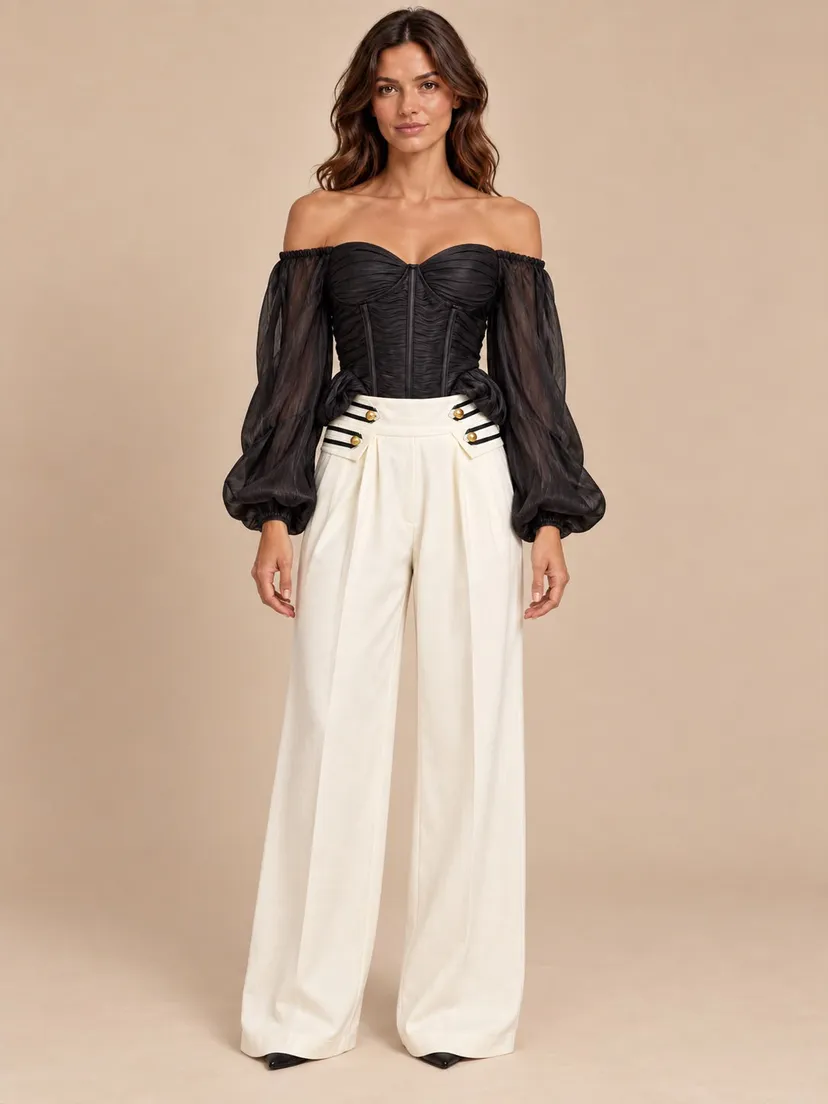
Consider how a garment is made to last. Durable construction, timeless design and quality fabrics reduce the need for frequent replacement. Styles such as our Military Pleated Wide Leg Trousers or the Asymmetric Lace Hem Blazer are designed with this longevity in mind, using strong silhouettes that work across seasons.
Marketing Imagery and Greenwashing Tactics
Green leaves, blue skies and earth tones are used heavily in 2026 collections, sometimes with little connection to actual practices. Ask whether the imagery reflects the product or simply creates an impression of naturalness.
Claims about 'carbon neutral' shipping or packaging should be backed by clear methodology. Vague statements without data or third-party verification often hide offsetting that does not address the root impact. Similarly, 'plastic free' claims deserve scrutiny if the garment itself contains synthetic fibres that will shed microplastics during washing.
Material Claims and Their Real Impact
Recycled materials are popular but vary widely in benefit. Recycled polyester from plastic bottles still relies on fossil fuels in production and can release microfibres. Organic cotton uses less pesticide than conventional but still requires significant water.
Consider the full picture. A garment made from a blend of recycled and virgin fibres may be marketed as 'sustainable' based on the recycled portion alone. Look for details on fibre percentages and whether the item is designed for long wear. Our Black Suede-Effect Two-Piece Trouser Set uses a soft, durable fabric that encourages repeated wear rather than fast replacement.
Knitwear offers another example. Quality construction and natural or responsibly sourced fibres matter more than broad 'eco' labels. The Military Gold Button Short Sleeve Knit Top combines practical design with details that make it easy to style repeatedly, supporting a slower wardrobe.
Practical Checklist for 2026 Shopping
Use these questions when reviewing a brand or product:
- Does the claim name specific materials, percentages or processes?
- Is information provided about the full supply chain or just one stage?
- Are durability, care instructions and expected lifespan mentioned?
- Does the brand respond openly to questions about sourcing?
- Is the design timeless enough to be worn for years rather than seasons?
Applying this checklist helps shift focus from marketing to real value. It also encourages investment in versatile pieces from categories such as Jackets & Blazers and Trousers that form the backbone of a lasting wardrobe.
Our Womenswear Glossary can help decode some of the terms used in product descriptions, while the military trend guide shows how details like gold buttons and pleats can add interest without needing constant new purchases.
Building a Wardrobe That Lasts Beyond Trends
The most effective way to reduce fashion impact is to buy less and choose better. Focus on garments that suit your lifestyle, fit well and work with items you already own. This approach cuts through greenwashing by prioritising usefulness over claims.
Consider care routines that extend garment life. Proper washing, storage and repair all matter. Styles with thoughtful details, such as corsetry or military-inspired elements, often become favourites precisely because they offer structure and interest without excess.
By asking direct questions and valuing transparency over perfection, you protect yourself from misleading claims while supporting better industry practices. The result is a more intentional wardrobe that reflects your values without relying on marketing spin.
Shop the edit
 Military Pleated Wide Leg Trousers£99.99
 Asymmetric Lace Hem Blazer£99.99
 Black Suede-Effect Two-Piece Trouser Set£109.99
 Military Gold Button Short Sleeve Knit Top£69.99
Frequently asked questions
Can a single recycled material make an item truly sustainable?
Using one recycled fibre does not guarantee low overall impact. The full garment lifecycle, from dyeing to transport and durability, still matters. Durability and how often you wear the piece are key factors.
Is it greenwashing if a brand only highlights one positive attribute?
It can be. Selective disclosure that ignores other negative aspects misleads consumers. Look for balanced information that addresses the entire production process rather than isolated wins.
Style notes from the DENISA team. Fit, fabric and care vary by piece, so always check the product page and the care label. Back to the DENISA blog.