
Practical Plastic-Free Packaging When Shopping UK Fashion
By the DENISA teamPublished 4 min read
Quick answer
- Opt for brands that use cardboard mailers, tissue paper and compostable mail bags instead of single-use plastic.
- Check the brand’s packaging policy before buying and choose items sent in recyclable paper-based wraps.
- Reuse or recycle any packaging you receive and support UK makers who default to plastic-free options.
- Look for categories like knitwear and blazers that often arrive in minimal, paper-only protection.
When you search for plastic free packaging fashion, the results often focus on big names or general eco tips. In practice, shopping from sustainable UK brands means paying attention to how your new dress or jacket arrives. Many independent labels have replaced plastic mailers and poly bags with cardboard, paper and compostable materials, and knowing what works helps you reduce waste without extra effort.
The shift is practical rather than perfect. Cardboard boxes and kraft paper wraps protect clothes just as well as plastic for most journeys, and they break down more easily at home or in recycling. Choosing brands that default to these options supports the change while keeping your wardrobe updates straightforward.
Why Packaging Matters for Sustainable Fashion
Clothes made with care can still come wrapped in single-use plastic, which undermines the effort. Plastic mailers are cheap and waterproof but take hundreds of years to break down. Paper and cardboard alternatives can be recycled or composted in most UK councils, cutting the long-term impact of each order.
UK brands that focus on occasion-led pieces such as dresses and jackets & blazers are increasingly transparent about their packaging. Reading their policies before you buy helps you avoid unnecessary plastic without guessing.
Common Plastic-Free Packaging Materials
Look for these materials when ordering from UK labels:
- Recycled cardboard boxes or mailers that collapse flat for easy storage or recycling.
- Acid-free tissue paper to protect delicate fabrics like lace or satin without plastic wrapping.
- Paper tape instead of plastic sticky tape.
- Compostable mail bags made from plant starch for lighter items.
- Minimalist wraps using brown kraft paper secured with twine or paper labels.
These options keep garments clean and crease-free during transit. For example, a structured piece like the Tartan Check Peplum Blazer travels well in a sturdy cardboard box with tissue layers rather than a plastic bag.
How to Spot Brands Using Plastic-Free Packaging
Before you add to basket, spend thirty seconds checking the site. Many sustainable UK brands now list their packaging choices under shipping or sustainability pages. If nothing is mentioned, a quick email usually gets a clear answer.
Signs of genuine effort include default use of paper-based mailers, the option to skip extra packaging, and clear recycling instructions included with your order. Brands that sell knitwear and tailored separates often favour these methods because the garments need less protection than heavily embellished evening pieces.
Practical Checklist Before Buying
- Read the delivery information for any mention of plastic-free or recyclable packaging.
- Choose brands based in the UK to shorten the supply chain and reduce outer transit packaging.
- Look for categories such as Sets & Co-ords that tend to arrive folded neatly in paper.
- If in doubt, contact customer service with a direct question about their current packaging.
What to Do With Packaging You Receive
Even the best intentioned orders sometimes arrive with a mix of materials. Sort them straight away: cardboard and paper go in your recycling bin, compostable bags can go in your food waste or garden bin if your council accepts them.
Reuse sturdy boxes for storage or sending gifts. The tissue paper that protects a Pink Collared Sleeveless Knit Dress can wrap other delicate items at home. Keeping a small stock of clean packaging reduces the need to buy new wrapping materials later.
Supporting Brands That Choose Plastic-Free
Every order counts. When you buy from labels that have already switched, you send a clear signal. Pairing practical choices like the Military Rib Knit Zip Cardigan with their plastic-free packaging policy is one way to build a wardrobe that aligns with your values.
Reading existing guides can also help you make better decisions overall. For example, understanding care labels means you keep garments longer, which reduces the frequency of orders and the packaging involved. See our guide on What Dry Clean Only Means (and When to Risk It) for more on extending the life of your clothes.
Small Changes That Add Up Over Time
Start by choosing one or two brands whose packaging policy matches your standards, then build from there. Opt for slightly larger orders when possible to reduce the number of parcels. Share your finds with friends so the habit spreads.
UK fashion does not need to rely on plastic to look polished or arrive safely. Pieces such as military-inspired tailoring or soft knit dresses reach you in good condition when wrapped thoughtfully. Over a year, the difference in plastic waste from your wardrobe updates becomes noticeable.
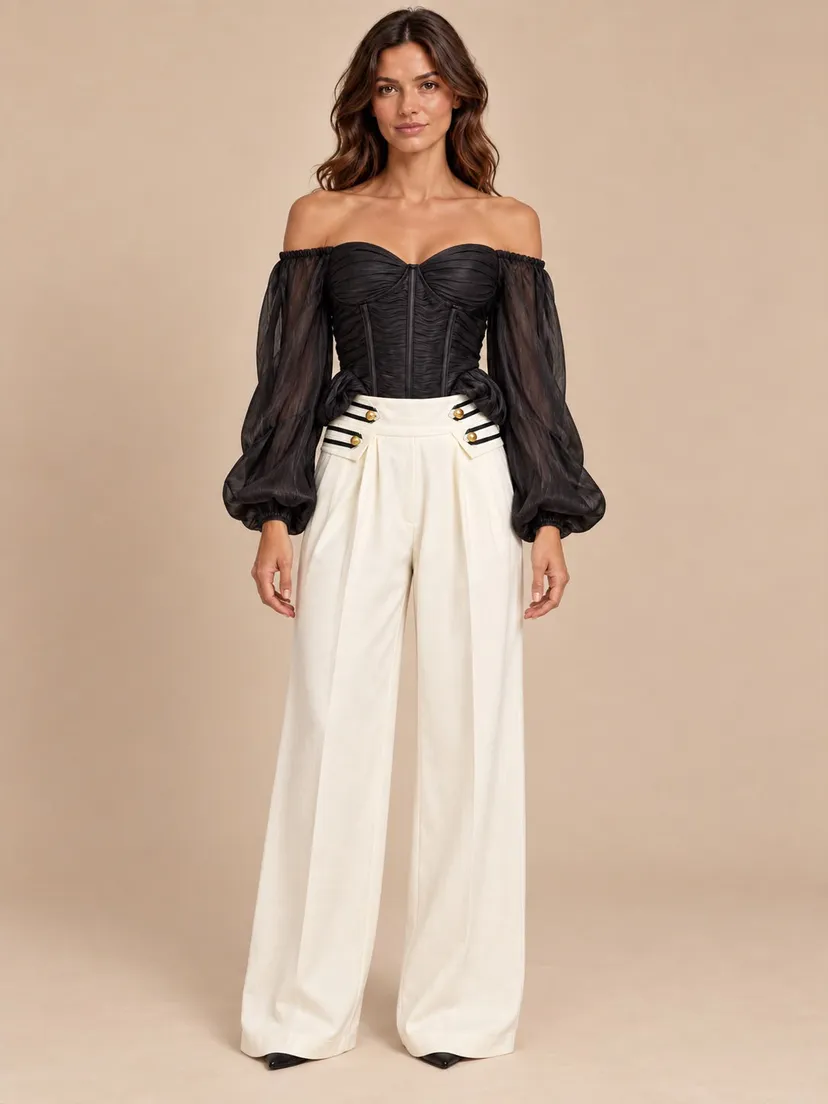
The next time you browse sustainable UK brands, take the extra moment to consider the full journey of your order. Choosing plastic-free packaging options keeps the focus on the clothes themselves, whether you are adding wide-leg trousers, a peplum blazer or a new knit to your collection.
Shop the edit
 Military Pleated Wide Leg Trousers£99.99
 Military Rib Knit Zip Cardigan£69.99
 Tartan Check Peplum Blazer£109.99
 Pink Collared Sleeveless Knit Dress£59.99
Frequently asked questions
Does avoiding plastic packaging mean slower delivery?
No. Many UK brands have switched to cardboard and paper alternatives that travel just as quickly through the postal system.
Can I request plastic-free packaging when I order?
Some smaller brands allow you to add a note at checkout. Larger ones usually have a set policy you can read on their site.
Style notes from the DENISA team. Fit, fabric and care vary by piece, so always check the product page and the care label. Back to the DENISA blog.