
How to Care for Party Dresses Without Relying on Dry Cleaning
By the DENISA teamPublished 6 min read
Quick answer
- Dry cleaning uses toxic solvents that pollute air and water.
- Many party fabrics can be hand-washed or spot-cleaned at home.
- Choose garments that don’t require dry cleaning to cut your impact.
- Proper storage and airing extend wear between cleans.
Dry cleaning remains the default recommendation for many party dresses, yet its environmental impact is rarely discussed. Perchloroethylene (perc), the most common solvent, is a hazardous air pollutant that contaminates water systems and poses risks to human health with repeated exposure. In the UK, where we attend formal events throughout the year, the hidden cost adds up quickly for both the planet and your wardrobe.
Fortunately, many party fabrics respond well to gentler home care. By understanding what actually needs professional cleaning and adopting better habits, you can reduce chemical use, lower your carbon footprint, and make your clothes last longer. This guide offers specific, practical steps tailored to the delicate pieces many of us reach for when dressing up.
What Dry Cleaning Does to the Environment
Traditional dry cleaning relies on perc or other chlorinated solvents. These chemicals do not break down easily and can linger in soil and groundwater. UK dry cleaners must follow strict regulations, but leaks and improper disposal still occur. The process also consumes significant energy and water for distillation and recycling of solvents.
Even “green” alternatives like hydrocarbon solvents or liquid CO₂ carry their own footprint through manufacturing and transport. Every trip to the dry cleaner adds packaging, transport emissions, and the risk of over-cleaning garments that do not actually need it. For occasional party dresses, this repeated cycle is especially inefficient.
Which Fabrics Actually Need Dry Cleaning
Not every special-occasion fabric requires professional solvent cleaning. Satin, for example, can often be hand-washed in cool water with a gentle detergent if the garment has no heavy embellishments. Lace and beading are more vulnerable, but many pieces survive careful spot cleaning.
Tweed, bouclé and structured tailoring usually benefit from dry cleaning to maintain shape, yet even these can be refreshed at home in many cases. The key is reading the care label honestly rather than assuming every “dry clean only” instruction is non-negotiable. Our What Dry Clean Only Means (and When to Risk It) guide explains the science behind those labels.
Metallics and sequins are trickier. The adhesives used to attach them can dissolve in water, so these pieces often do need professional attention. Choosing well-made items with secure embellishments helps reduce the frequency of cleaning.
Better Ways to Care for Party Dresses at Home
Start by wearing a slip or camisole underneath to reduce direct contact with skin oils and deodorant. After wearing, let the dress air outside or in a well-ventilated room for several hours. This removes most odours without any cleaning at all.
For small stains, act immediately. Blot (never rub) with a clean white cloth. A solution of one part white vinegar to two parts water handles many food and drink marks on satin or lace. Test first on an inside seam. Our Fabric Care Finder gives fabric-specific instructions for satin, lace, knits and more.
Hand washing in a basin with lukewarm water and a detergent designed for delicates is often safer than machine cycles. Support the weight of the garment with your hands; never lift it by the shoulders when wet. Roll in a towel to remove excess water, then lay flat or hang on a padded hanger to dry away from direct sunlight or heat.
Choosing Occasion Wear That Needs Less Cleaning
When shopping for party pieces, look for styles that are easier to maintain. Our Evening Dresses collection includes options that balance glamour with practicality. Consider separates that allow you to clean only the worn item.
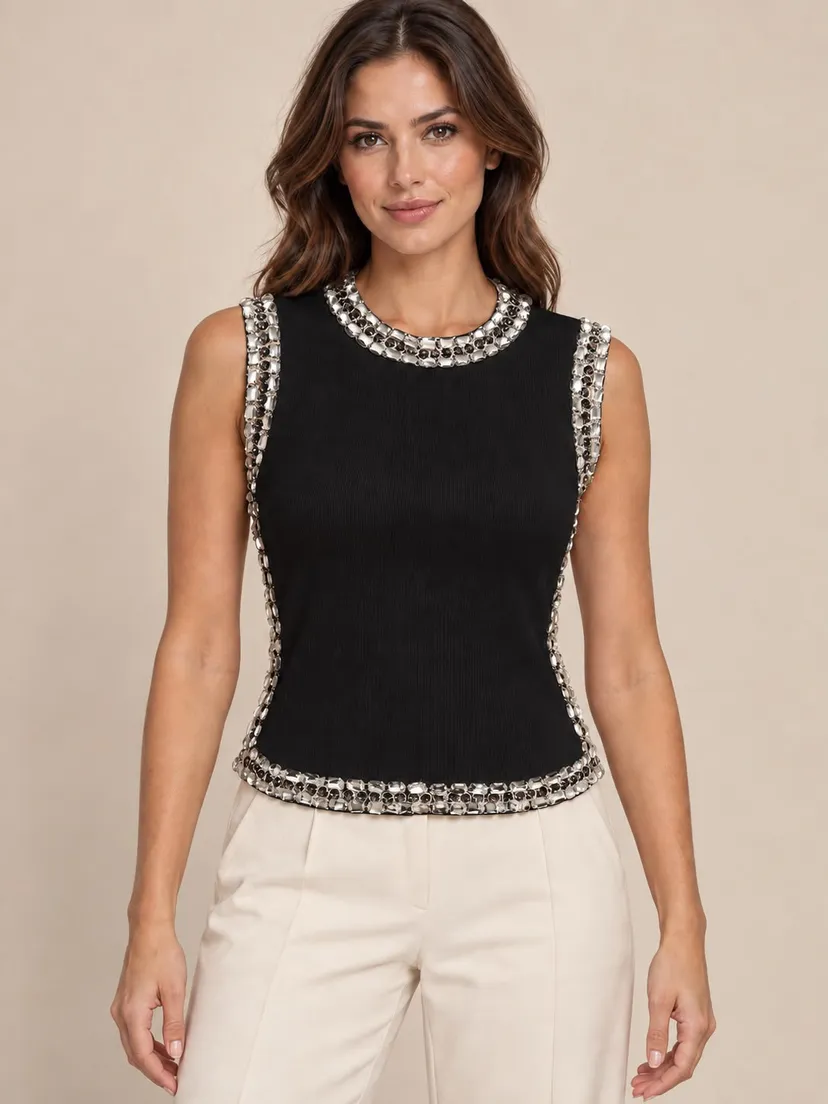
The Embellished Open Back Top pairs beautifully with trousers or a skirt you already own, so only the top needs attention after an evening out. Similarly, the Asymmetric Lace Hem Blazer can be worn over multiple dresses, reducing the number of delicate garments that require care.
Fabrics with some natural give, like certain knits or soft suede-effect materials, often tolerate gentle home washing better than rigid wovens. Building a capsule of versatile pieces from our Sets & Co-ords means fewer individual items need special treatment.
Storage and Airing Tips to Reduce Cleaning Frequency
Proper storage prevents the need for cleaning in the first place. Use breathable garment bags for long-term storage rather than plastic, which can trap moisture and encourage mildew. Cedar blocks or lavender sachets deter moths without chemicals.
Between wears, hang dresses on wide, padded hangers in a cool, dark wardrobe. For structured pieces like blazers, consider hanging them outside on a dry, breezy day. This refreshes the fabric and removes dust far more effectively than many people realise.
Rotate your party wardrobe so no single piece is worn too often. This simple habit cuts down on cleaning cycles and extends the life of each garment.
When Professional Cleaning Still Makes Sense
Some pieces genuinely benefit from professional care. Heavily beaded or structured eveningwear, for instance, is best left to experts who understand how to protect delicate details. Our guide on How to Care for Embellished, Beaded and Sequinned Clothes helps you judge when to seek help.
Look for cleaners that offer eco alternatives and always ask which solvent they use. Wet cleaning (a gentle, water-based professional method) is increasingly available and far kinder to both clothes and the environment. Communicate clearly about any specific concerns such as loose beads or colour bleeding.
Even when using a cleaner, limit visits to once or twice a season for most party dresses. Combine trips when possible and collect garments promptly to avoid unnecessary exposure to chemicals in the shop.
Building a More Sustainable Party Wardrobe
The most effective way to lower the impact of cleaning is to buy less but choose better. Invest in timeless styles that work for multiple occasions rather than single-use pieces. Our New In section often features versatile options that transition from day to evening with simple changes in accessories.
Consider the full lifecycle of each garment. A dress you can clean at home will be worn more often and kept longer than one that demands chemical-heavy trips to the dry cleaner. This approach reduces both environmental harm and long-term cost.
By combining careful fabric choices, smarter home care routines, and selective use of professional services, you can enjoy glamorous dressing while minimising your impact. Small changes in how we treat party clothes add up to meaningful differences for the environment and for the longevity of our favourite pieces.
Shop the edit


Frequently asked questions
How often should party dresses be cleaned?
Only clean when visibly soiled. Most can be freshened by airing outdoors or gentle spot cleaning rather than full washing or dry cleaning after every wear.
Are there eco-friendly dry cleaners in the UK?
Some UK cleaners now use liquid carbon dioxide or wet-cleaning methods instead of perc. Ask about their process before handing over delicate items.
Style notes from the DENISA team. Fit, fabric and care vary by piece, so always check the product page and the care label. Back to the DENISA blog.