
Sustainable Corset Boning: Materials, Construction and Styling
By the DENISA teamPublished 5 min read
Quick answer
- Ethical boning favours steel, bamboo or recycled plastic over traditional plastic for durability and lower impact.
- Look for flexible spiral steel in quality corsetry for better movement and longevity.
- Check construction: flat steel at the front and back panels for support without discomfort.
- Prioritise brands that combine natural fibres with responsible boning for truly conscious pieces.
When searching for ethical corset boning, the key is understanding the materials and construction that deliver structure while minimising environmental harm. Sustainable options focus on durability, recyclability and responsible sourcing, helping you select shapewear and tops that last rather than end up in landfill.
This guide breaks down the main boning types used in conscious fashion, what to look for in construction, and how to pair these pieces with the rest of your wardrobe for practical, flattering results.
What Is Boning and Why Does It Matter for Ethical Fashion
Boning refers to the rigid or flexible strips sewn into garments to provide shape and support. In corset tops and structured bodices it creates definition at the waist and bust without relying solely on stretch fabric. For mindful buyers, the choice of boning directly affects how long a piece will last and its overall environmental footprint.
Cheap plastic boning can warp, snap or degrade quickly, leading to more purchases over time. Ethical alternatives aim for longevity, using materials that can be repaired or recycled at end of life.
Sustainable Boning Materials Compared
The most common boning materials each come with different strengths. Plastic boning, often used in fast fashion, is lightweight and inexpensive but rarely recyclable and prone to breaking. It contributes to plastic waste when garments are discarded.
Steel boning, particularly spiral steel, offers excellent flexibility and strength. It holds shape over years of wear and can be recycled at the end of a garment’s life. Many responsible makers now use stainless or coated steel to prevent rust while maintaining comfort. Bamboo or natural fibre alternatives are emerging for lighter support needs, though they suit softer corsetry rather than dramatic shaping.
Recycled plastic boning provides a middle ground for brands seeking to reduce virgin plastic use. When combined with high-quality sewing techniques it performs better than standard plastic, though it still lacks the longevity of steel.
Choosing the Right Material for Your Needs
Consider how you will wear the piece. For occasional evening wear, lighter recycled options may suffice. For regular use, steel boning in a corset top offers better value and less waste over time. Always check care instructions, as proper washing preserves boning integrity.
Construction Techniques That Support Ethics
Ethical corset boning is only as good as its placement and casing. Quality construction uses cotton or recycled fabric channels to encase boning, preventing it from poking through and extending garment life. Look for double stitching and reinforced stress points around the waist and bust.
Flat steel bones at the centre front and back provide stability, while spiral steel on the sides allows breathing and movement. This combination reduces the need for overly tight lacing, making the piece more wearable for everyday life.
A well-made corset-style bodice will feel supportive rather than restrictive. Our guide to boning in clothes explains these differences in more detail if you want to go deeper.
How to Spot Quality Ethical Corsetry When Shopping
Examine the inside of any corset top. Smooth, even channels without bulky seams suggest careful construction. Tug gently on the boning through the fabric – it should feel firm yet flexible. Avoid anything that creaks or has exposed plastic edges.
Read brand transparency statements about material sourcing. Responsible makers often share details about their supply chain even if they are not fully certified. Weight can be a clue: a piece with proper steel boning feels substantial but not heavy.
Fit matters too. Use tools such as a corset fit checker to ensure the size supports without discomfort, which in turn protects the boning from unnecessary strain.
Styling Sustainable Corset Tops with Everyday Pieces
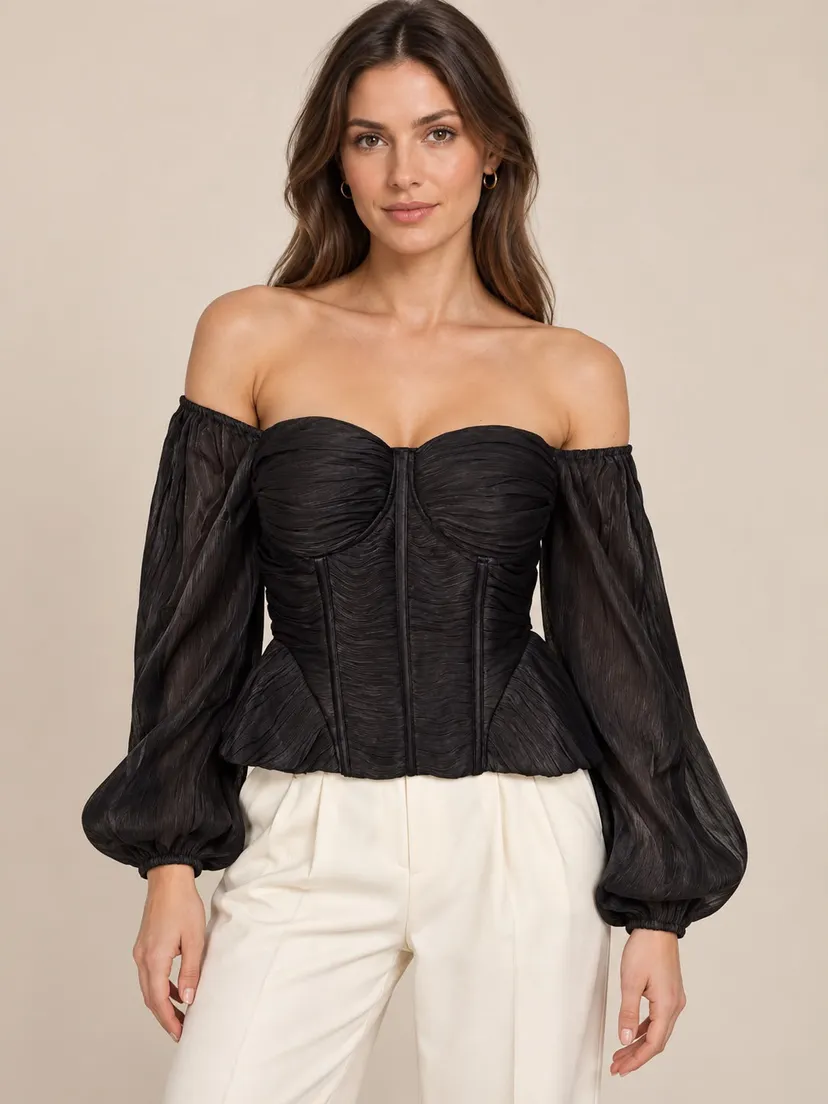
A corset top with ethical boning works harder when paired thoughtfully. The Sweetheart Neck Long Sleeve Corset Top pairs beautifully with Military Pleated Wide Leg Trousers for a polished evening look that balances structure with fluid lines.
For something lighter, the Flower Trim Mesh Corset Top adds romance when worn under the Military Gold Button Short Sleeve Knit Top on cooler days. This layering extends the life of both pieces and creates outfits suitable for different occasions without buying more.
Our edit of corset tops shows more ways to incorporate these structured pieces into a conscious wardrobe.
Caring for Corset Boning to Maximise Lifespan
Proper care keeps boning effective and reduces replacement frequency. Hand wash in cool water with mild detergent, avoiding harsh spinning or drying. Lay flat to dry away from direct heat, which can warp materials.
Store pieces flat or hanging rather than scrunched in drawers. Occasional spot cleaning around boning channels prevents build-up that could cause corrosion in steel. With good care, a quality steel-boned corset top can remain a wardrobe staple for many seasons.
Building a Conscious Wardrobe Around Corsetry
Choosing ethical corset boning is part of a wider approach to buying less but better. Focus on versatile styles that coordinate with existing items such as tailored trousers, knit cardigans or simple blouses. This creates multiple outfits from fewer garments, lowering overall consumption.
Look for pieces that combine sustainable boning with natural or recycled outer fabrics. A mesh or knit corset top with steel support offers breathability alongside structure. Over time, these thoughtful choices result in a wardrobe that feels cohesive, flattering and aligned with mindful values.
Shop the edit
 Sweetheart Neck Long Sleeve Corset Top£89.99
 Flower Trim Mesh Corset Top£49.99
 Military Pleated Wide Leg Trousers£99.99
 Military Gold Button Short Sleeve Knit Top£69.99
Frequently asked questions
Is steel boning more sustainable than plastic?
Steel is highly durable and recyclable, often making it a better long-term choice than single-use plastic. It lasts for years with proper care, reducing the need for frequent replacement.
Can ethical boning still deliver a flattering shape?
Yes. Quality spiral and flat steel boning provides sculpting support while allowing natural movement. Many modern corset tops use it in a way that feels comfortable for day-to-evening wear.
Style notes from the DENISA team. Fit, fabric and care vary by piece, so always check the product page and the care label. Back to the DENISA blog.