
Why We Overbuy Occasionwear and How to Build a Versatile Wardrobe
By the DENISA teamPublished 5 min read
Quick answer
- Fear of missing out and social comparison drive many purchases of occasionwear.
- Buy versatile pieces that cross between day and evening events.
- Edit your wardrobe regularly and plan outfits in advance.
- Focus on quality fabrics and details that allow multiple wears.
Many of us buy more occasionwear than we need because an invitation sparks excitement mixed with anxiety about what to wear. This reaction often leads to purchasing something new even when similar items already hang in the wardrobe. Recognising these patterns is the first step to shopping more mindfully and building a collection of pieces that work harder across different events.
The psychology of buying clothes is closely tied to emotions. We associate new outfits with feeling prepared, attractive and socially accepted. For occasionwear this effect is stronger because events carry higher stakes. Understanding these drivers helps us interrupt the cycle and choose sustainable, practical options instead.
Emotional Triggers That Lead to Overbuying
Anticipation of an event can create a sense of urgency. We imagine every detail and convince ourselves that only a brand-new dress or top will do. This is often fuelled by fear of judgment. People worry about wearing the same thing twice in social settings, even though most others are focused on their own appearance rather than cataloguing repeats.
Another factor is the dopamine hit from shopping. The act of choosing and ordering something new provides instant pleasure. For occasionwear this reward feels justified because the purchase is linked to a specific upcoming date. Yet the satisfaction fades quickly once the event passes, leaving the item worn once and stored away.
The Role of Social Comparison
Social media has amplified the tendency to compare. Seeing others in fresh looks for parties and weddings can make our existing wardrobe feel tired. This comparison triggers a desire to keep up, even when our lifestyle does not require a constant stream of new occasion pieces. The result is a wardrobe full of single-use items that rarely see the light of day again.
Breaking this habit starts with limiting exposure before an event. Instead of browsing endlessly, focus on what you already own. Ask yourself whether the occasion truly demands something entirely new or whether a different combination would suffice.
Building a Versatile Occasion Wardrobe
The key is choosing pieces that adapt to multiple scenarios. Dresses that move from day to evening through simple styling changes are particularly useful. For example, the Pink Collared Sleeveless Knit Dress works with trainers at the weekend yet looks polished with heels and jewellery for lunch or drinks.
Separates offer even more flexibility. A striking top can be worn with different bottoms depending on the formality required. The Metallic Appliqué Long Sleeve Top dresses up denim for daytime or pairs with tailored trousers for evening events. Similarly, the Asymmetric Lace Hem Blazer can be buttoned as a top with trousers or worn open over a slip dress, changing its character completely.
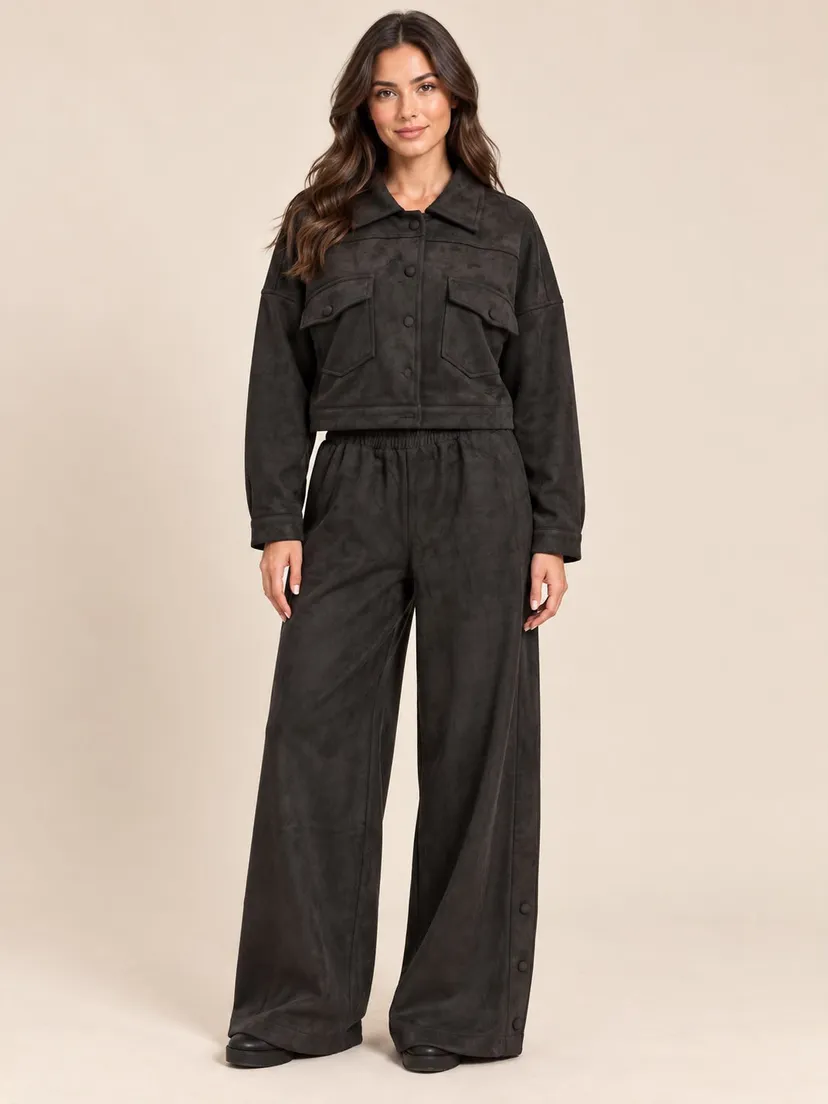
Co-ord sets provide an instant outfit while allowing the pieces to be worn separately. The Black Suede-Effect Two-Piece Trouser Set creates a luxe look when worn together but the top and trousers gain new life when paired with other items in your wardrobe. This approach reduces the need for single-occasion purchases.
Planning Outfits in Advance
Creating a habit of planning reduces impulse buys. When an invitation arrives, take ten minutes to review your wardrobe. Lay out possible combinations on the bed or take photos on your phone. This visual check often reveals that you already own something suitable.
Consider the practical details of the event. Will you be sitting, standing, dancing or outdoors? Choose fabrics and cuts that suit the conditions rather than buying something purely for its appearance. A well-cut blazer or a versatile knit can often solve more problems than a highly decorative dress that only fits one scenario.
Editing and Caring for What You Own
Regular wardrobe edits help you see your clothes clearly. Remove items that no longer fit or no longer suit your style. This process often uncovers forgotten pieces that can be refreshed with new styling. Our guide on how to store knitwear and prevent clothes moths offers practical steps to keep special items in good condition.
Proper care extends the life of occasionwear. Embellished or delicate fabrics need gentle handling. Following specific cleaning methods means your favourite pieces remain ready for the next event rather than sitting in the wardrobe because they feel tired or damaged. Explore our guide to caring for embellished clothes for detailed advice.
Developing Mindful Shopping Habits
Before adding anything new, apply a 48-hour rule. Save the item in your basket or wishlist and return to it after a couple of days. Ask whether it fills a genuine gap or simply feeds the excitement of the moment. This pause often reveals that the purchase is unnecessary.
When you do buy, prioritise quality and versatility over trend-driven pieces. Look for details that allow multiple wears: interesting necklines, flattering cuts, or subtle embellishment that works across seasons. Shopping the Sets & Co-ords category can be a good starting point because these designs are created to work together yet stand alone.
Finally, track what you wear. Many people discover they reach for the same few trusted outfits while newer occasionwear sits unused. Use this information to guide future purchases so each new piece genuinely earns its place in your wardrobe.
Shifting from reactive buying to intentional choices takes time, but the result is a more functional, confident wardrobe. You spend less on regret purchases and enjoy the clothes you own far more often. Over time this approach supports a sustainable way of dressing that still feels special for every occasion.
Shop the edit
 Black Suede-Effect Two-Piece Trouser Set£109.99
 Pink Collared Sleeveless Knit Dress£59.99
 Asymmetric Lace Hem Blazer£99.99
 Metallic Appliqué Long Sleeve Top£49.99
Frequently asked questions
Why do I keep buying new outfits for every event even when I have plenty?
This often stems from social comparison and the desire to feel confident in new clothes. Planning outfits from existing pieces and focusing on versatile styles helps reduce the urge.
How can I make my occasionwear feel fresh without buying more?
Mix separates, add different accessories, and layer thoughtfully. Caring for special pieces properly also keeps them looking their best for repeated wear.
Style notes from the DENISA team. Fit, fabric and care vary by piece, so always check the product page and the care label. Back to the DENISA blog.