
Choosing Fairtrade Cotton for Everyday Blouses
By the DENISA teamPublished 5 min read
Quick answer
- Fairtrade cotton guarantees farmers a minimum price and additional premiums for community projects.
- It improves working conditions, reduces child labour and promotes gender equality in cotton-growing regions.
- Every blouse made with it contributes to education, healthcare and environmental protection for producer communities.
- You can start by selecting blouses from ethical UK brands that trace their cotton supply.
Choosing Fairtrade cotton for everyday blouses creates direct social benefits for the farmers and workers who grow the fibre. The scheme ensures growers receive a stable minimum price even when market rates fall, plus an additional premium that funds community projects such as schools, clean water systems and healthcare clinics. This financial security reduces poverty and improves quality of life in cotton-producing regions across Africa, Asia and South America.
By opting for Fairtrade-certified cotton you also support stricter rules on working conditions, including bans on forced and child labour, protection for women’s rights and investment in education. These changes ripple through entire communities, giving the next generation better opportunities while preserving traditional farming skills.
What Fairtrade Cotton Actually Delivers
Fairtrade standards cover both environmental and social criteria. Farmers must follow practices that protect soil and water, but the social side is where the biggest difference is felt. The extra premium paid on each kilogram of cotton is decided democratically by the farmers themselves. In many cooperatives this money has paid for new classrooms, teacher salaries, medical supplies and even transport to markets so women can sell their own produce.
Independent audits check that no child labour is used and that workers receive at least the legal minimum wage. Gender equality is actively encouraged: many Fairtrade cotton groups now have women in leadership roles.
Why Blouses Are a Good Place to Start
Blouses are worn close to the skin, laundered often and replaced more frequently than coats or jackets. This makes them an ideal entry point for mindful shoppers. A single Fairtrade cotton blouse can contain hundreds of grams of fibre, so your regular purchases quickly add up to meaningful support for farming families.
Everyday styles in breathable cotton also suit the British climate year round. You can wear them under jackets and blazers in winter or on their own in warmer months. Because the fabric is versatile, one well-chosen blouse will be worn dozens of times, stretching the social value of your purchase even further.
How to Identify Genuine Fairtrade Cotton
Look for the official Fairtrade mark on the care label or product page. This black and blue symbol with a person holding an arm up is your guarantee that the cotton has been independently verified. Some brands also list the specific cooperative or country of origin, giving you a clearer picture of whose livelihood you are supporting.
If the label simply says “organic” or “sustainable cotton” without the Fairtrade logo, the social protections may not be in place. Fairtrade is the only widely recognised standard that guarantees a minimum price and community premium specifically for small-scale cotton farmers.
Practical Shopping Checklist
- Check the product description for the word “Fairtrade” or the official logo.
- Read the brand’s sustainability page to see how they trace their supply chain.
- Choose styles you will wear often so the social impact is repeated with every use.
- Consider neutral colours and simple cuts that work with items already in your wardrobe.
Pairing Fairtrade Cotton with Your Existing Wardrobe
A plain white sleeveless blouse made from Fairtrade cotton slips easily under an asymmetric lace hem blazer for office days or teams with wide-leg trousers for weekend lunches. The same blouse can be worn under a military gold button short sleeve knit top on cooler mornings, layering the ethical fibre with other pieces you already own.
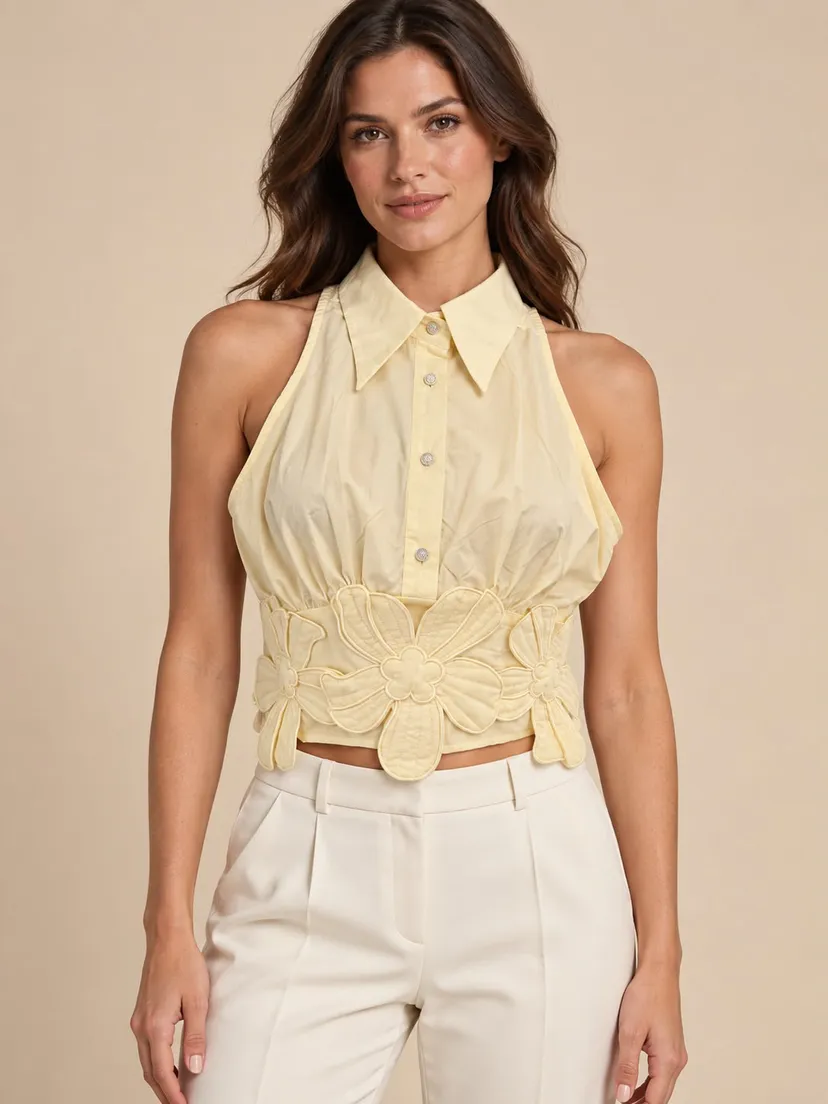
For evenings, the floral trim sleeveless top in crisp white works beautifully with the metallic appliqué long sleeve top thrown over it for extra coverage and interest. These combinations let you increase the proportion of Fairtrade cotton in your wardrobe without buying an entirely new set of clothes.
Long-Term Community Benefits
Over the past two decades Fairtrade premiums have funded thousands of projects. In West Africa cooperatives have built wells that cut the time women and girls spend collecting water by several hours each day, freeing them for education or paid work. In India, Fairtrade cotton communities have opened creches so mothers can work without leaving young children unsupervised.
These improvements are cumulative. Children who stay in school because their families have a stable income are more likely to break the cycle of poverty. Farmers who are paid fairly are also more likely to invest in better seeds and training, which improves yields and further strengthens the community.
Combining Fairtrade with Other Mindful Choices
Fairtrade cotton works well alongside other responsible decisions. You can look for low-impact dyes, recycled buttons or garments made in factories that pay living wages. The guide on styling a corset top shows how to mix different ethical pieces without compromising on style.
At DENISA we believe thoughtful choices should feel practical rather than preachy. That is why our blouses and tops are designed to be mixed and matched with the rest of your wardrobe. A Fairtrade cotton blouse becomes even more useful when it coordinates with your favourite skirts or trousers.
Starting Small and Staying Consistent
You do not need to replace your entire wardrobe at once. Begin by choosing one or two Fairtrade cotton blouses for the coming season. Wear them regularly, note how they wash and last, then gradually increase the share of certified cotton over time. This steady approach creates genuine demand that encourages more brands to adopt the standard.
Every blouse you buy is a quiet vote for fairer conditions. Over months and years those individual choices add up to improved lives for thousands of farming families. The fabric next to your skin can carry a story of real social progress rather than hidden hardship.
Next time you reach for a new blouse, take a moment to check its credentials. Small shifts in what we choose to wear really can help build stronger, fairer communities on the other side of the world.
Shop the edit


Frequently asked questions
How can I tell if a blouse uses Fairtrade cotton?
Look for the Fairtrade mark on labels or product information. Brands that use it usually state their commitment clearly on their website.
Style notes from the DENISA team. Fit, fabric and care vary by piece, so always check the product page and the care label. Back to the DENISA blog.