
Choosing Deadstock Fabrics for Evening Dresses
By the DENISA teamPublished 6 min read
Quick answer
- Deadstock satin and metallics reduce textile waste that would otherwise head to landfill.
- They deliver the same glamorous finish as new fabrics without the environmental cost of production.
- Look for evening dresses and tops in deadstock where quality and drape remain excellent.
- Pair them with versatile pieces like co-ords or corset tops for more wears between occasions.
Choosing deadstock fabrics for evening dresses helps reduce textile waste while still letting you enjoy the glamour of satin and metallic occasionwear. These leftover rolls from earlier production runs would otherwise sit unused or end up in landfill, so selecting them supports a more mindful approach to dressing for parties, weddings and festive events across the UK.
Deadstock satin offers the same fluid drape and lustrous finish that makes an evening dress feel special, and metallic fabrics still catch the light beautifully without the need for fresh manufacturing. The result is occasionwear that looks and feels luxurious but carries a smaller environmental footprint.
What Deadstock Fabric Actually Means
Deadstock, sometimes called dead stock or remnant fabric, refers to material that was manufactured for a specific order but never used. It might be the end of a mill run, surplus from a cancelled order, or simply the last few metres of a popular line. Because it already exists, no additional water, energy or raw materials are required to create it.
For UK women this matters. Our climate means we often store evening dresses between occasions rather than wearing them constantly. Choosing deadstock pieces means those occasional wears come with less guilt about the resources that went into them.
The Environmental Wins of Deadstock Satin and Metallics
Traditional fabric production for occasionwear is resource-heavy. Satin often involves polyester or silk, both of which carry a footprint in water use, dyeing and finishing. Metallic fabrics add another layer with their foil or thread coatings. By using deadstock, brands avoid repeating that process.
Every metre of deadstock satin or metallic fabric kept in circulation prevents additional waste. Deadstock also tends to encourage slower design decisions because designers work with what is available rather than ordering fresh runs on demand.
In practical terms this means an evening dress in deadstock satin can be just as beautiful as one made from newly produced fabric, yet it has already sidestepped the heaviest part of its environmental cost.
Why Satin Deadstock Works So Well for Evening Dresses
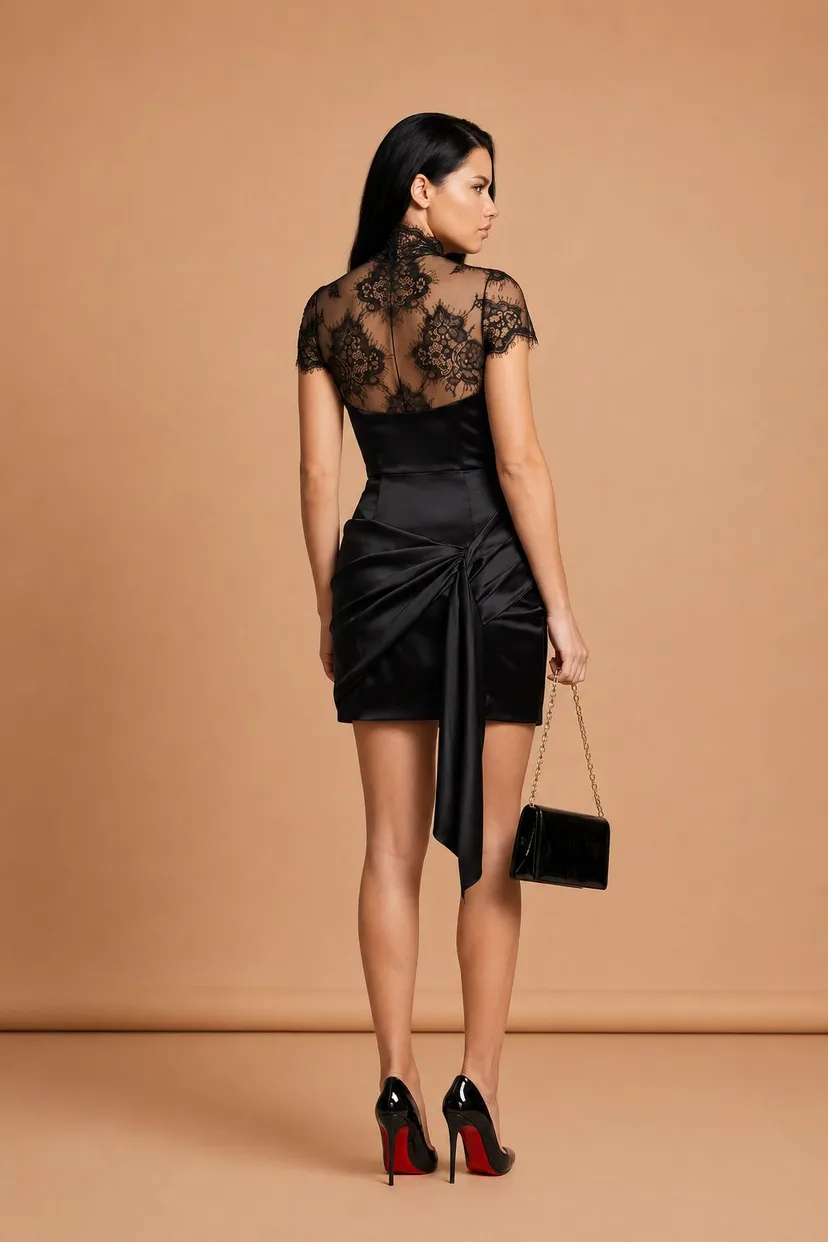
Satin has a natural weight and fluidity that makes it ideal for wrap styles and draped skirts. A lace yoke satin wrap dress shows exactly how the fabric moves: the skirt falls into soft gathers that catch the light with every step, while the structured bodice keeps the shape polished.
Deadstock satin often comes in small batches, which can mean richer colours or slightly different finishes than mass-produced runs. The limited availability encourages thoughtful buying rather than over-purchasing. When you invest in a satin evening dress, you want it to last through multiple seasons of Christmas parties, New Year’s Eve and weddings.
Pairing it with practical pieces extends its life further. A simple sweetheart neck long sleeve corset top in a complementary shade can be worn with the same satin skirt on a different occasion, giving you two outfits from fabrics that already exist.
Metallic Deadstock for That Special Occasion Sparkle
Metallic fabrics bring instant glamour. A rose gold metallic halter neck ruched mini dress turns heads because the fabric itself does the talking. When that metallic is deadstock, the environmental saving is even more satisfying.
Our guide to metallic and wet-look fabrics explains how these materials behave. They reflect light beautifully but need careful handling to avoid creasing or losing their shine. Deadstock versions often retain the same performance characteristics as new stock when they come from reputable sources.
A metallic appliqué long sleeve top offers a more versatile entry point. The metallic detail catches the light without covering the whole garment, making it easier to wear to both black-tie dinners and smarter office parties. It works equally well with tailored trousers or a simple black skirt you already own.
Where to Find Deadstock Evening Dresses and Occasionwear
Many independent labels now highlight when they are using deadstock. Look for brands that are transparent about their fabric sources rather than those who simply label everything “sustainable” without detail.
At DENISA we select deadstock satin and metallic fabrics where the quality meets our standards for drape, durability and finish. You will find them across our evening dresses and in individual statement pieces that work for both formal events and more relaxed festive gatherings.
Checking the New In section regularly helps because deadstock is, by nature, limited. Once a roll is finished that exact fabric may not return. This scarcity can work in your favour, giving you something slightly more unique than mass-produced occasionwear.
Styling and Caring for Your Deadstock Pieces
Deadstock fabrics behave like any other high-quality satin or metallic, so care routines remain the same. Store evening dresses properly between wears to avoid creases and dust. Our guide on how to store evening dresses offers practical tips that help pieces stay fresh for years.
For day-to-evening flexibility, consider co-ords that mix well with satin or metallic separates. A dress in deadstock satin can be worn with a military-style jacket on cooler evenings, or the sets and co-ords section often contains pieces that layer beautifully over metallic tops.
Practicality matters. A dress you actually reach for multiple times is better for the environment than one worn once and then stored away. Choose styles with clean lines and thoughtful details that will not date quickly.
Making Better Choices as a UK Woman
The UK party season runs from autumn through to early summer with weddings, work events and family celebrations. Rather than buying something new for every occasion, building a small collection of versatile deadstock pieces makes more sense.
Start with one strong evening dress in satin or metallic, then add separates that multiply your options. A corset top, a metallic long-sleeve piece, and a good pair of draped trousers let you create multiple looks while keeping new purchases to a minimum.
Choosing deadstock is not about perfection. It is about reducing demand for virgin fabrics where possible and supporting brands that work with what already exists. The dresses still look beautiful, the metallics still shine, and you can feel more comfortable about the choices you make when the invitation lands.
Shop the edit
 Lace Yoke Satin Wrap Dress£249.99
 Rose Gold Metallic Halter Neck Ruched Mini Dress£249.99
 Metallic Appliqué Long Sleeve Top£49.99
 Sweetheart Neck Long Sleeve Corset Top£89.99
Frequently asked questions
Are deadstock fabrics lower quality than new ones?
No. Deadstock is simply unused fabric from previous production runs. When sourced carefully it offers the same strength, drape and appearance as newly made material.
How do I care for a deadstock satin or metallic evening dress?
Follow the specific fabric instructions. Our Fabric Care Finder guide explains how to wash and store satin, metallics and lace to keep them looking their best.
Style notes from the DENISA team. Fit, fabric and care vary by piece, so always check the product page and the care label. Back to the DENISA blog.