
GOTS, Oeko-Tex and Fairtrade Explained
By the DENISA teamPublished 6 min read
Quick answer
- GOTS covers organic fibres and responsible manufacturing from field to finished garment.
- Oeko-Tex tests for harmful chemicals in the final product but does not address organic or labour standards.
- Fairtrade focuses on fair wages and decent conditions for cotton farmers and workers.
- Look for the label that matches your priority: environment, skin safety or people.
When you are shopping for a new dress or blouse and spot logos such as GOTS, Oeko-Tex or Fairtrade on the label, it is natural to wonder what each one actually guarantees. These three certifications are the ones UK womenswear shoppers see most often, yet they measure quite different things. This guide explains them clearly so you can decide which matters most to you and your wardrobe.
Understanding the differences helps you buy with confidence, whether you care most about the chemicals that touch your skin, the environmental impact of growing the fibre, or the people who made the garment. None of the labels is universally best; each answers a specific question.
What Is GOTS?
GOTS stands for Global Organic Textile Standard. It is the strictest of the three when it comes to organic fibre and the entire production chain. For a garment to carry the GOTS label at least 70 percent of its fibres must be certified organic (95 percent for the higher organic tier). The standard then follows the fibre through spinning, weaving, dyeing, printing and finishing.
Criteria include bans on many synthetic pesticides and fertilisers at farm level, strict limits on water use and wastewater treatment, and social standards that cover worker safety and wages. The finished item must also pass tests for harmful residues. Because it covers so many stages, GOTS is a good choice if you want to reduce the environmental footprint of the clothes you buy.
GOTS in UK Womenswear
You will most often see GOTS on cotton, linen, wool and some viscose or Tencel items. A day dress in organic cotton or a lightweight blouse may carry it. Keep in mind that GOTS does not guarantee the garment is completely free of all synthetic fibres; blends are allowed as long as the organic portion meets the threshold.
What Is Oeko-Tex?
Oeko-Tex (often written OEKO-TEX) is a product safety certification. It tests the finished textile for a long list of substances that could be harmful to skin or health, including certain dyes, heavy metals, formaldehyde and pesticides. The best-known label is Standard 100, which means every component of the item has passed the tests.
Unlike GOTS, Oeko-Tex does not require organic fibres or set rules for how the raw material was grown. It also does not address labour conditions. Its strength is reassurance that the garment you put against your skin has been screened for unwanted chemicals. This makes it especially relevant for sensitive skin or for items worn close to the body such as tops and blouses.
Different Oeko-Tex Labels
Standard 100 is the one you will see most on womenswear. There is also Made in Green, which adds traceability and some environmental and social criteria, but it is less common in high-street and independent brands. When you see the Oeko-Tex label, check which standard it refers to so you know exactly what has been certified.
What Is Fairtrade?
Fairtrade focuses on the people at the start of the supply chain. For cotton, the most common fibre covered, it guarantees that farmers received a fair price and that workers on certified farms or factories met certain labour standards, including no child labour, safe conditions and the right to join a union.
The Fairtrade mark you see on clothing usually refers to Fairtrade Cotton. It does not set rules about organic farming methods or chemical residues in the finished garment. Its value lies in improving incomes and conditions for growers, many of whom are in developing countries. If ethical labour practices are your main concern, this is the label to look for.
GOTS, Oeko-Tex and Fairtrade Side by Side
The easiest way to choose is to match the label to the issue you care about most.
- GOTS: strongest on organic farming, chemical use during processing, and wastewater. Good all-round environmental choice.
- Oeko-Tex: strongest on the absence of harmful substances in the final product. Ideal if you have sensitive skin or allergies.
- Fairtrade: strongest on fair prices and decent working conditions for farmers and factory workers.
A single garment can carry more than one label. You might find an organic cotton blouse that is both GOTS and Oeko-Tex certified, or a Fairtrade cotton dress that also meets Oeko-Tex safety standards. When this happens you get the benefits of each.
What to Look for When Shopping at DENISA
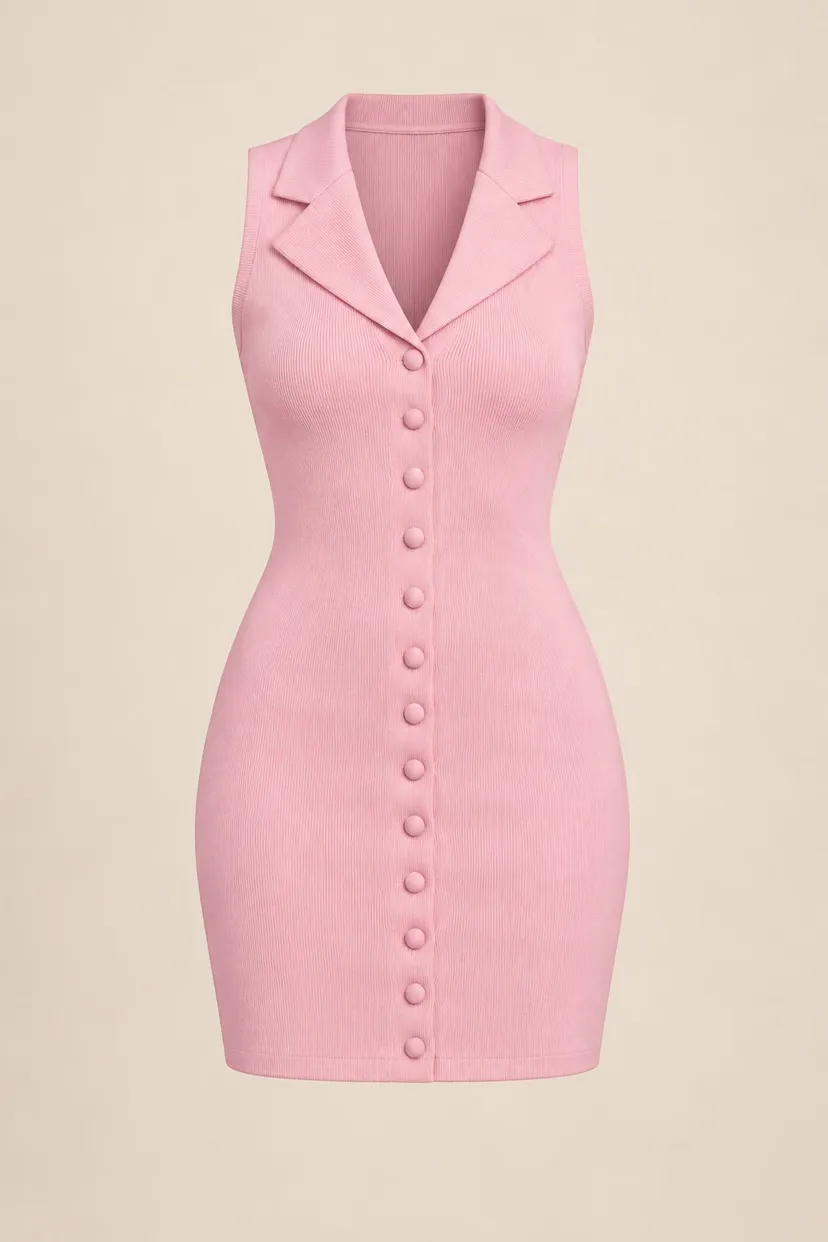
At DENISA we select fabrics and suppliers with care. While not every piece carries a certification logo, many of our natural-fibre items meet high standards for safety and quality. For example our Pink Collared Sleeveless Knit Dress uses a soft knit that feels gentle against the skin, while the Military Gold Button Short Sleeve Knit Top offers easy everyday wear with attention to detail and finish.
If you prefer a romantic touch, the Floral Trim Sleeveless Top pairs beautifully with tailoring or denim. For more structured looks, browse our Jackets & Blazers category where asymmetric hems and considered details add interest without excess.
When reading care labels on any new purchase, our guide to clothing care symbols explained can help you keep garments looking their best for longer, which is itself a sustainable choice.
Practical Tips for UK Shoppers
Read the label carefully rather than assuming one logo covers everything. If the hang tag or website lists GOTS, check the percentage of organic fibre. For Oeko-Tex, confirm it is Standard 100. Fairtrade logos usually state Fairtrade Cotton so you know exactly what is covered.
Consider the fibre first. Natural fibres like cotton, linen and wool respond well to these certifications. Synthetics are less likely to carry GOTS but can still meet Oeko-Tex safety standards.
Think about how you will wear the piece. A blouse worn next to the skin may benefit most from Oeko-Tex reassurance, while a statement evening dress worn occasionally might prioritise ethical labour or organic fibre depending on your values.
Finally, remember that caring for clothes extends their life. Proper washing, storage and repair reduce the need to buy new items, regardless of certification. Our womenswear glossary explains many fabric and construction terms that appear on labels.
Making Better Choices Without Overthinking
Certifications are useful tools, not perfect solutions. They sit alongside other factors such as how long you expect to keep the garment, how versatile it is, and whether it suits your lifestyle. A well-made blouse you wear for years is more sustainable than a certified item worn once and discarded.
Use the labels to ask the right questions. If skin safety matters most today, choose Oeko-Tex. If you want to support organic farming, look for GOTS. If fair pay for farmers is your priority, Fairtrade is the clearest signal. Many of our styles, from knit dresses to tailored co-ords, are designed to be worn often and enjoyed for seasons to come.
Next time you are browsing New In, take a moment to read any certification information provided. Over time you will develop a sense of which labels align with the values you want to support, making shopping simpler and more satisfying.
Shop the edit
 Pink Collared Sleeveless Knit Dress£59.99
 Military Gold Button Short Sleeve Knit Top£69.99
 Floral Trim Sleeveless Top£69.99
Frequently asked questions
Can a garment carry more than one of these certifications?
Yes. Many pieces meet both GOTS and Oeko-Tex criteria because the standards complement each other. Fairtrade can also sit alongside either.
Do these certifications cover polyester or only natural fibres?
GOTS is limited to natural and cellulosic fibres that meet strict organic rules. Oeko-Tex and Fairtrade can apply to a wider range of materials including some synthetics.
Style notes from the DENISA team. Fit, fabric and care vary by piece, so always check the product page and the care label. Back to the DENISA blog.