
The Carbon Cost of Corset Boning: UK-Made Versus Imported
By the DENISA teamPublished 5 min read
Quick answer
- UK-made boning typically has a lower overall carbon footprint due to shorter supply chains and stricter emissions standards.
- Imported steel or plastic boning often involves long-haul shipping that adds substantial transport emissions.
- Material choice matters: steel generally lasts longer than plastic, reducing replacement frequency and long-term impact.
- Supporting UK manufacturing helps local skills while cutting unnecessary international freight emissions.
The carbon cost of corset boning depends mainly on where it is manufactured, the materials used and the distance it travels before reaching the finished garment. UK-made boning generally carries a lower overall footprint because of shorter supply chains, stricter emissions regulations and reduced shipping emissions compared with imported alternatives that often cross oceans by container ship or air freight.
Understanding these differences helps when choosing structured pieces such as corset tops or dresses. Below we look at the practical realities of manufacturing impact without greenwashing, so you can weigh up the real environmental trade-offs.
What Is Corset Boning and Why Does Its Origin Matter?
Corset boning refers to the rigid strips sewn into bodices to provide structure and shape. Traditional options include flat or spiral steel, while modern versions often use plastic or resin alternatives. The manufacturing process for each involves raw material extraction, energy-intensive forming and finishing, plus transport to the garment factory.
Origin matters because the carbon emissions from production are only part of the story. Shipping from factories in Asia to the UK can add thousands of kilometres of freight, often by sea or air, which significantly increases the total footprint. UK production keeps these distances short and typically uses energy mixes with a growing share of renewables.
Carbon Comparison: UK-Made Versus Imported Boning
Producing steel boning in the UK involves melting and rolling metal under regulated conditions. While energy use is high, the proximity to garment makers in Britain or nearby Europe cuts out long-distance transport emissions. Many UK suppliers also source recycled steel, which lowers the impact compared with virgin material.
Imported boning, particularly from outside Europe, often travels by container ship from East Asia. A single large vessel can emit as much CO₂ in a year as millions of cars. Air freight, sometimes used for urgent orders, is even worse per kilogram. Plastic boning made overseas adds the environmental cost of petroleum-based raw materials and the same long shipping routes.
Material Choices: Steel Boning or Plastic?
Steel boning has higher upfront carbon costs during smelting but lasts for decades when cared for properly. A well-made steel-boned corset top can be worn for years and even passed on, spreading its emissions over a long useful life. Many of our Tops use structured bodices designed with this durability in mind.
Plastic boning is lighter and cheaper to produce initially, yet it tends to warp or snap over time. Replacements mean more manufacturing cycles and more waste. Choosing quality steel components therefore often proves the lower-impact route over the lifetime of the garment.
Recycled steel further reduces the footprint. When UK manufacturers use scrap metal rather than newly mined ore, emissions drop for that stage of production. We prioritise suppliers who can demonstrate responsible material sourcing.
Why Transport Emissions Make a Difference
A steel coil made in Sheffield and delivered by lorry to a London workshop travels roughly 250 kilometres. The same product manufactured in China and shipped to the UK covers over 12,000 kilometres by sea, plus road miles at both ends. Even when sea freight is relatively carbon-efficient per tonne, the sheer volume of clothing moved globally adds up.
Air freight, occasionally used for fast fashion restocks, multiplies the impact dramatically. One kilogram sent by plane can generate more than ten times the emissions of sea transport. For heavier boning components, this matters.
By keeping production closer to home we avoid these unnecessary emissions. Our Dresses and tops are made with this thinking built in, using boning from suppliers we know and can trace.
Supporting UK Skills and Lower Emissions
Choosing UK-made corsetry helps sustain specialist manufacturers who employ local people and maintain traditional skills. These workshops often operate to higher environmental standards than those in less regulated regions, with better waste management and energy monitoring.
Shorter supply chains also mean greater transparency. We can visit suppliers, check their processes and respond quickly to any concerns. This visibility is harder when components cross continents and multiple borders.
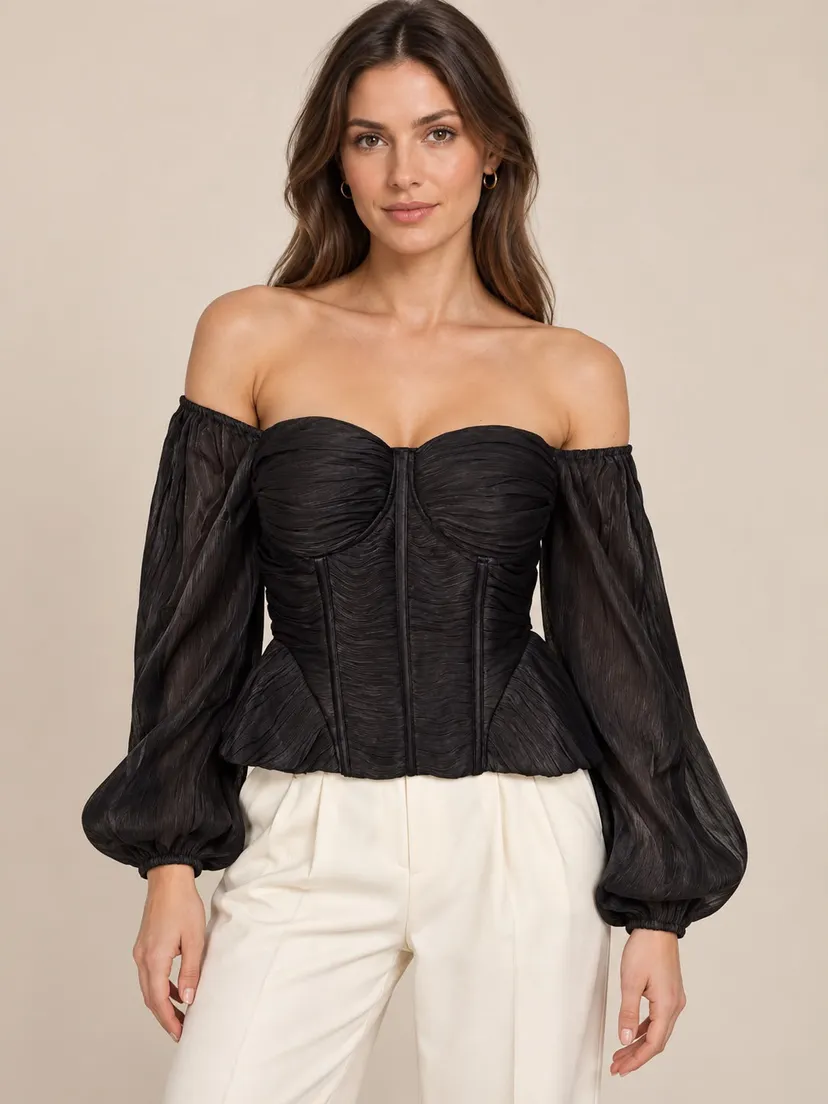
Our Sweetheart Neck Long Sleeve Corset Top uses structured boning chosen for both performance and lower overall impact. The same care goes into the Flower Trim Mesh Corset Top, where the boned bodice provides shape without excess material.
How to Choose Corsetry More Mindfully
Look beyond the label “sustainable” and ask practical questions. Where is the boning made? What material is it? How long is the expected lifespan of the garment? A corset top you wear twenty times a year for five years has a far lower cost per wear than one replaced every season.
Our guide to boning in clothes explains construction details so you know what to look for. Pairing a structured top with versatile bottoms extends its life further. The Ivory High Waist Pleated Wide Leg Trousers work beautifully with several of our corset styles for different occasions.
Care also matters. Hand washing or gentle machine cycles prevent unnecessary wear on boning and fabric alike. Storing structured pieces on padded hangers helps them keep their shape longer.
Practical Steps to Reduce Your Wardrobe Footprint
Buy fewer, better-made pieces that incorporate durable boning. A single well-designed Lace Corset Draped Satin Midi Dress can replace several less structured outfits for evenings and events. Focus on styles you will reach for repeatedly rather than trends that date quickly.
Consider second-hand or vintage corsetry when possible; steel boning from decades ago often remains perfectly usable. When buying new, prioritise UK or European production for the reasons outlined above.
Finally, look after what you own. Small repairs and careful storage keep garments in circulation longer, which is one of the most effective ways to lower the carbon cost of any wardrobe. At DENISA we design with this longevity in mind, creating feminine structured pieces that stay relevant season after season.
Shop the edit
 Sweetheart Neck Long Sleeve Corset Top£89.99
 Flower Trim Mesh Corset Top£49.99
 Ivory Rosette Button Draped Corset Blouse£129.99
 Lace Corset Draped Satin Midi Dress£300.00
Frequently asked questions
Does choosing UK-made boning guarantee a lower carbon footprint?
Not automatically, but it usually does because of reduced shipping distances and higher environmental regulations. The full picture depends on the specific materials and energy sources used in production.
Is plastic boning more sustainable than steel?
Plastic boning has a lower upfront manufacturing impact but does not last as long, often requiring replacement. Steel, when sourced responsibly and made to last, usually offers better long-term sustainability.
Style notes from the DENISA team. Fit, fabric and care vary by piece, so always check the product page and the care label. Back to the DENISA blog.