
Plus Size Corset Boning Alternatives
By the DENISA teamPublished 5 min read
Quick answer
- Spiral steel can be swapped for flexible plastic or fibreglass boning in plus-size corset tops.
- Channel stitching and strategic seaming create shape through construction rather than rigid inserts.
- Power mesh and layered fabrics add support without any boning at all.
- Look for corset-style pieces with built-in stretch panels for easier wear in larger sizes.
If you are looking for plus size corset boning alternatives, the good news is that plenty of options exist beyond rigid steel or heavy plastic. Many contemporary corset tops achieve shaping through flexible materials, clever construction and supportive fabrics that feel lighter on the body while still creating a defined silhouette.
These non-traditional approaches are particularly useful for plus-size figures, where comfort and ease of movement matter as much as structure. You can find methods that avoid the stiffness many associate with traditional corsetry.
Flexible Boning Materials That Replace Steel
Spiral steel boning has long been the default for strong structure, but it can feel unforgiving in larger sizes. A practical swap is plastic boning or fibreglass rods, which are lighter and flex with your movements. These materials still provide vertical support along the seams but bend more readily when you sit or reach.
In plus-size corset tops, look for pieces that use a mix of these flexible bones. They are often placed only at the side seams and centre front, leaving the back to rely on lacing or stretch for adjustability. This approach reduces overall weight without losing the corset-style bodice shape.
Why flexibility matters for larger bodies
Plus-size wearers often find that rigid boning digs in at the hips or under the bust after a few hours. Flexible alternatives follow the natural curves of a fuller figure more comfortably. They are also easier to adjust at home if you need to shorten or reshape a bone channel.
Channel Stitching and Seaming for Built-In Shape
One of the most effective boning alternatives is simply omitting boning altogether and relying on channel stitching. This technique involves sewing parallel lines of stitching to create structured channels that hold their shape through tension and fabric choice alone.
In larger sizes this method works well because it distributes support evenly rather than concentrating pressure at bone ends. Many corset-style tops use this on the bodice to create a smooth, sculpted look that flatters without feeling like armour. It is especially useful under blazers or over shirts where you want subtle definition.
You will see this construction in styles designed for all-day wear. The absence of actual boning makes the garment lighter and less prone to buckling on fuller torsos.
Supportive Fabrics and Power Mesh Panels
Fabric choice can replace boning in many plus-size corset designs. Power mesh, a firm yet breathable knit, is frequently used in side panels or as a full lining. It compresses gently and recovers well, giving the illusion of boning without any inserts.
Layered fabrics also add structure. A sheer mesh outer layer over a stable cotton or stretch satin underlayer creates visual interest while the inner fabric does the shaping work. This combination is common in evening pieces where you want romance without restriction.
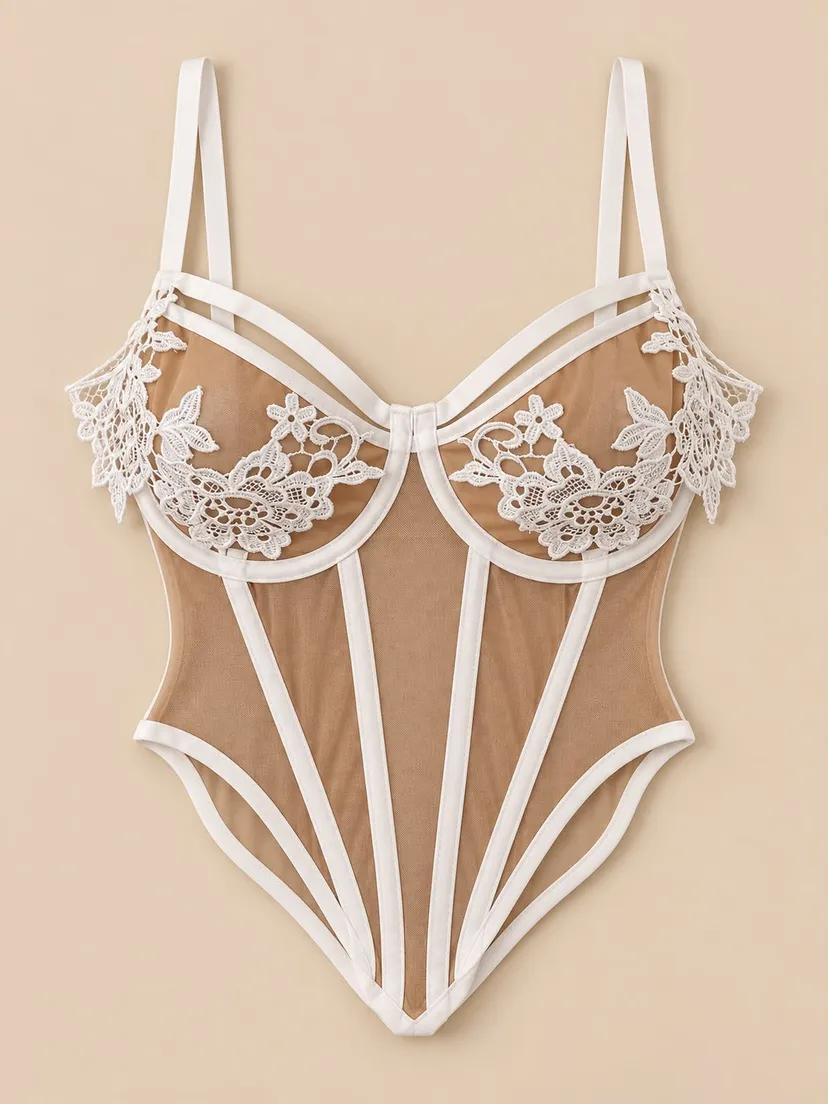
For example, the Flower Trim Mesh Corset Top uses sheer mesh construction paired with corset-style shaping. The mesh itself contributes lightness while the cut and internal structure provide support suitable for a range of sizes.
Stretch Panels and Strategic Elastic
Modern corsetry often incorporates stretch panels at the sides or back. These allow the garment to move with you while the non-stretch sections create the shaping. In plus sizes this is particularly helpful because it accommodates fluctuations in measurement without losing the defined waist effect.
Wide elastic channels or hidden power-net inserts can replace several steel bones. They provide compression where needed and are far more forgiving on softer midsections.
Pairing such a top with fluid bottoms balances the look. The Military Pleated Wide Leg Trousers work beautifully with a fitted corset-style bodice, creating contrast between structure and volume.
Hybrid Corset Styles for Plus Sizes
The most successful plus-size corset tops tend to be hybrids. They might combine light spiral boning at the front with stretch side panels and channel-stitched back seams. This mix delivers targeted support where you need it most while allowing breathability and movement elsewhere.
Long-sleeve versions extend the shaping effect through the arms, balancing the silhouette. The Sweetheart Neck Long Sleeve Corset Top demonstrates how a corset-style structured bodice can be made wearable year-round without relying solely on heavy boning.
Even dresses can follow this principle. The Blush Pink Pearl-Trim Lace Corset Mini Dress features a sheer boned corset bodice that uses a lighter approach suitable for warmer occasions, while the Lace Corset Draped Satin Midi Dress pairs its structured bodice with soft draping to offset any firmness.
Choosing the Right Alternative for Your Shape
Start by identifying where you need support. If you carry weight around the midsection, power mesh side panels or stretch recovery fabrics often feel more comfortable than full boning. For bust support, look for styles with a defined cup or underbust seam that creates lift through cut rather than rigidity.
Consider how you will wear the piece. Evening outfits may tolerate slightly more structure, while day-to-day looks benefit from lighter alternatives. Our guide on how to style a corset top offers practical outfit ideas that work with these softer constructions.
Take accurate measurements and compare against the size guide. Many hybrid styles are forgiving, but checking torso length prevents the common problem of bones or seams ending in the wrong place on a fuller figure.
Caring for Corset Tops Without Traditional Boning
These lighter constructions are generally easier to maintain. Most can be hand washed or placed in a lingerie bag on a cool cycle. Avoid high heat when drying, as it can weaken elastic panels or distort channel stitching over time.
Store them flat or rolled rather than hung if they contain any flexible boning, to prevent creasing. With proper care, these alternatives often outlast heavier traditional corsetry because they experience less stress at stress points.
Exploring the Tops and Sets & Co-ords sections will show you how these softer corset styles fit into a broader wardrobe. Many work equally well with tailoring or knitwear, proving that support does not need to mean stiffness.
Shop the edit
 Flower Trim Mesh Corset Top£49.99
 Sweetheart Neck Long Sleeve Corset Top£89.99
 Blush Pink Pearl-Trim Lace Corset Mini Dress£249.99
 Lace Corset Draped Satin Midi Dress£300.00
Frequently asked questions
Can plus-size corset tops work without any boning?
Yes. Many modern designs rely on strategic seaming, stretch fabrics and power mesh panels to create shaping. The result is lighter and often more comfortable for everyday wear.
How do I know which alternative support will suit my shape?
Consider your torso length and the amount of compression you prefer. A corset fit checker can help you assess whether a style with spiral boning, channel stitching or stretch panels will work best for you.
Style notes from the DENISA team. Fit, fabric and care vary by piece, so always check the product page and the care label. Back to the DENISA blog.