
How to Make Tailored Trousers Last Longer in the Office
By the DENISA teamPublished 5 min read
Quick answer
- Rotate between at least three pairs to reduce daily stress on fabric and seams.
- Reinforce high-wear areas like the seat, inner thighs and hems with targeted stitching or patches.
- Spot-clean marks promptly using gentle methods instead of full washes.
- Store and press correctly between wears to maintain shape and crease lines.
Daily use in the office quickly shows on tailored trousers through worn knees, shiny seats and frayed hems. Simple habits around reinforcement, rotation and spot-cleaning can extend the useful life of your favourite pairs without sacrificing a polished appearance.
UK office wear faces its own challenges: damp commutes, central heating, and the need to look pulled-together even on the fifth wear of the week. The following advice focuses on practical steps that fit easily into a working routine.
Why Rotation Matters for Tailored Trousers
Every time you wear a pair, the fabric stretches, creases and rubs against itself and your chair. Giving trousers at least two full days between wears allows fibres to relax and recover. Aim for a minimum of three pairs in regular rotation so no single pair is worn more than twice in any seven-day period.
For most office weeks this means one pair for Monday and Thursday, another for Tuesday and Friday, and a third kept for Wednesday or any unexpected meetings. If your role requires formal suiting every day, five pairs makes the system more comfortable.
Rotation also spreads out the need for cleaning. Less frequent washing preserves the crispness of pleats and the hand of wool or wool-blend fabrics common in British tailoring.
Reinforcing High-Wear Areas
The seat, inner thighs and hems receive the most stress. A few minutes with a needle can prevent small weaknesses from becoming holes.
Seat and Inner Thighs
Before the fabric begins to shine, reinforce the inside of the seat and thigh area with a strip of iron-on interfacing or a fine cotton patch. Use thread that exactly matches the trouser colour and work in small, even backstitches just inside the existing seam line. This adds strength without altering the outer appearance.
For trousers you already own, a tailor can add a discreet silk or cotton lining panel across the seat. It reduces friction and makes the fabric last longer.
Hems and Cuffs
Hems take a beating from shoes and pavements. Hand-stitch a narrow strip of grosgrain ribbon or bias binding along the inside edge of the hem. It protects the raw edge and looks neat when the trousers are pressed.
If you notice early fraying, catch it immediately with matching thread rather than waiting for a full repair. A few whip stitches now can avoid a visible patch later.
Spot-Cleaning Schedules That Work
Full washing or dry-cleaning every week shortens the life of tailored trousers. Spot-cleaning handles most office marks and keeps the garment fresh.
- Keep a small kit at work: a soft cloth, gentle wool detergent, white vinegar and a clothes brush.
- Attend to spills the same day. Blot (never rub) with a clean cloth, then dab with a solution of one part vinegar to three parts water for most food and drink marks.
- For make-up or pen marks, refer to our guide to removing make-up from clothes before the stain sets.
- Once a fortnight, hang trousers in a steamy bathroom to release odours and refresh the fabric without washing.
Only send trousers for professional dry-cleaning every fourth or fifth wear, or when they genuinely need it. Over-cleaning removes natural oils from wool and can stiffen the cloth over time.
Daily Care and Storage Habits
At the end of each day, empty pockets, turn trousers inside out and hang them on a proper trouser hanger that supports the full width of the hem. This prevents the weight of the fabric from stretching the waistband.
Press only the areas that need it: centre creases, pleats and hems. Use a pressing cloth and moderate heat to avoid shine. For wool and wool-blend trousers, a quick once-over with a garment steamer between wears often does the job without flattening the texture.
Store trousers in a cool, dry wardrobe away from direct light. Avoid crowding them on the rail; give each pair enough space so the fabric can breathe.
Choosing Styles That Last
When adding to your wardrobe, look for features that improve longevity. Our trousers collection includes several designs with reinforced construction details. The Ivory High Waist Pleated Wide Leg Trousers feature an extra high corset-style waistband and deep pleats that hold their shape after repeated wear.
Similarly, the Black High-Waist Draped Trousers use a fluid matte crêpe that resists creasing. Both styles benefit from the rotation and reinforcement habits described above.
Our existing guide Tailored Trousers and Trouser Sets offers further advice on selecting pieces that work hard in a professional wardrobe.
Seasonal Adjustments for UK Offices
From October to March, many offices are overheated, causing more perspiration and faster fabric breakdown. Consider lighter-weight linings or cotton-blend trousers for winter months to reduce moisture damage.
After the Christmas period (with its office parties and extra lunches), give all your regular pairs a thorough inspection and any necessary repairs before the January return to routine. With clocks going back on 25 October 2026, the darker mornings also mean more reliance on artificial light that can highlight any shine or pilling, so early maintenance pays off.
When to Retire a Pair
Even the best cared-for trousers eventually show their age. Retire a pair when the fabric has thinned noticeably across the seat, when pleats no longer hold after pressing, or when repairs become frequent and visible. At that point, consider wearing them for weekends or travel rather than the office.
Many of our customers then split co-ord sets and give the trousers a second life with different tops. The Black Suede-Effect Two-Piece Trouser Set is particularly useful here because the trousers can be worn separately long after the matching top has moved on.
By building rotation, reinforcement and spot-cleaning into your weekly routine you will spend less time shopping and more time wearing clothes that still look good.
Shop the edit
 Ivory High Waist Pleated Wide Leg Trousers£129.99
 Black High-Waist Draped Trousers£129.99
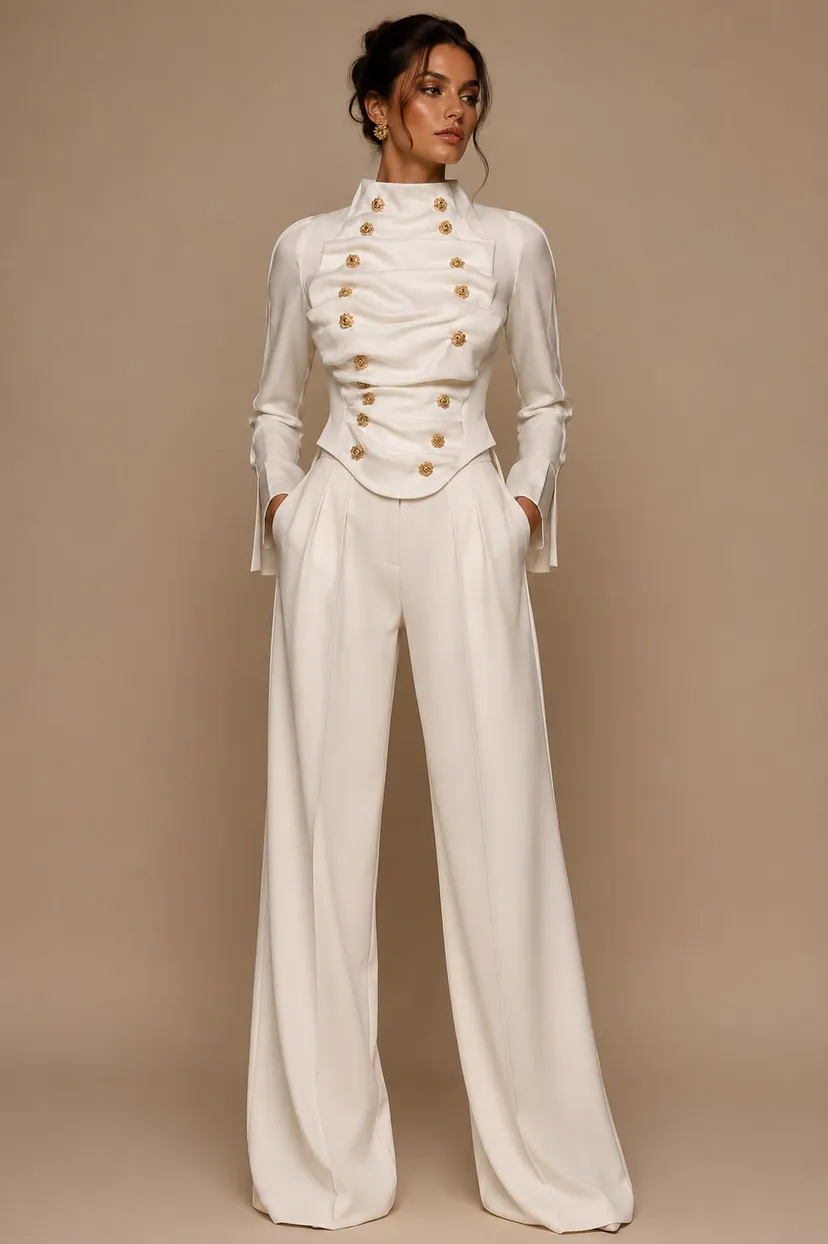
 Military Pleated Wide Leg Trousers£99.99
Frequently asked questions
How often should I rotate my work trousers?
Aim to rotate between at least three pairs so each gets at least two full days of rest between wears. This gives the fabric time to recover and reduces creasing and abrasion.
Can I repair trousers myself or should I use a tailor?
Simple seam reinforcement and hem repairs can be done at home with a needle and matching thread. For complex alterations or invisible mending, a local tailor will give the most professional results.
Style notes from the DENISA team. Fit, fabric and care vary by piece, so always check the product page and the care label. Back to the DENISA blog.