
UK Closed-Loop Recycling for Sequin and Embellished Pieces
By the DENISA teamPublished 5 min read
Quick answer
- Closed-loop recycling recovers sequins and fibres from end-of-life dresses to make new garments.
- UK facilities sort, clean and reprocess materials locally, cutting transport emissions.
- Choose durable sequinned styles and follow gentle cleaning to help items last longer.
- Pair embellished tops with simple separates for more wears between special occasions.
UK-based closed-loop recycling for sequin dresses is gaining traction as brands and specialist facilities find ways to recover sequins, beads and base fabrics from old occasionwear and feed them back into new production. Instead of garments ending up in landfill after one or two wears, the materials are sorted, cleaned and remanufactured within the UK, reducing both waste and the need for virgin plastics and metals.
This approach matters for sequinned pieces because their mixed materials have traditionally been hard to recycle. Local systems now make it practical to keep the sparkle in circulation while lowering the environmental cost of party dressing.
What Closed-Loop Recycling Actually Means
Closed-loop recycling aims to keep materials within a continuous cycle. For sequin dresses this involves collecting worn items, disassembling them, separating the sequins or metallic embellishments from the base cloth, then cleaning and re-forming both into new yarn, fabric or decorations. The goal is zero waste to landfill and minimal use of new raw materials.
In the UK the infrastructure is still developing but several specialist textile recyclers now accept embellished eveningwear. They use mechanical and chemical processes to recover polyester sequins and metal components that can be melted down or reshaped. The fabric base, often polyester or blends, can be granulated and spun into new fibres.
Why Sequin Dresses Have Been Hard to Recycle
Sequins and beads are usually stitched or glued on, making separation labour-intensive. Different polymers in the sequins, thread and base fabric complicate mechanical recycling. Many local councils still cannot process these items, so they sit in wardrobes or head to general waste.
UK closed-loop projects tackle this by creating dedicated collection points and investing in sorting technology that identifies and removes embellishments without damaging them. The recovered sequins can then be reused on new styles rather than being downcycled into lower-value products.
UK Innovation in Textile Recycling
British facilities are piloting systems that handle complex occasionwear. Some partner with brands to take back their own garments, while others run public drop-off schemes. The material is sorted by fibre type and embellishment level before entering the recycling stream.
This local approach cuts the carbon footprint compared with shipping textiles abroad. It also builds knowledge about which sequin types and fabrics hold up best after multiple cycles, feeding that insight back into design choices.
How to Choose Sequin Styles That Last
Look for pieces where embellishments are securely attached rather than heavily glued. Styles that combine sequins or metallic details with robust base fabrics tend to survive more wears and travel through recycling more successfully.
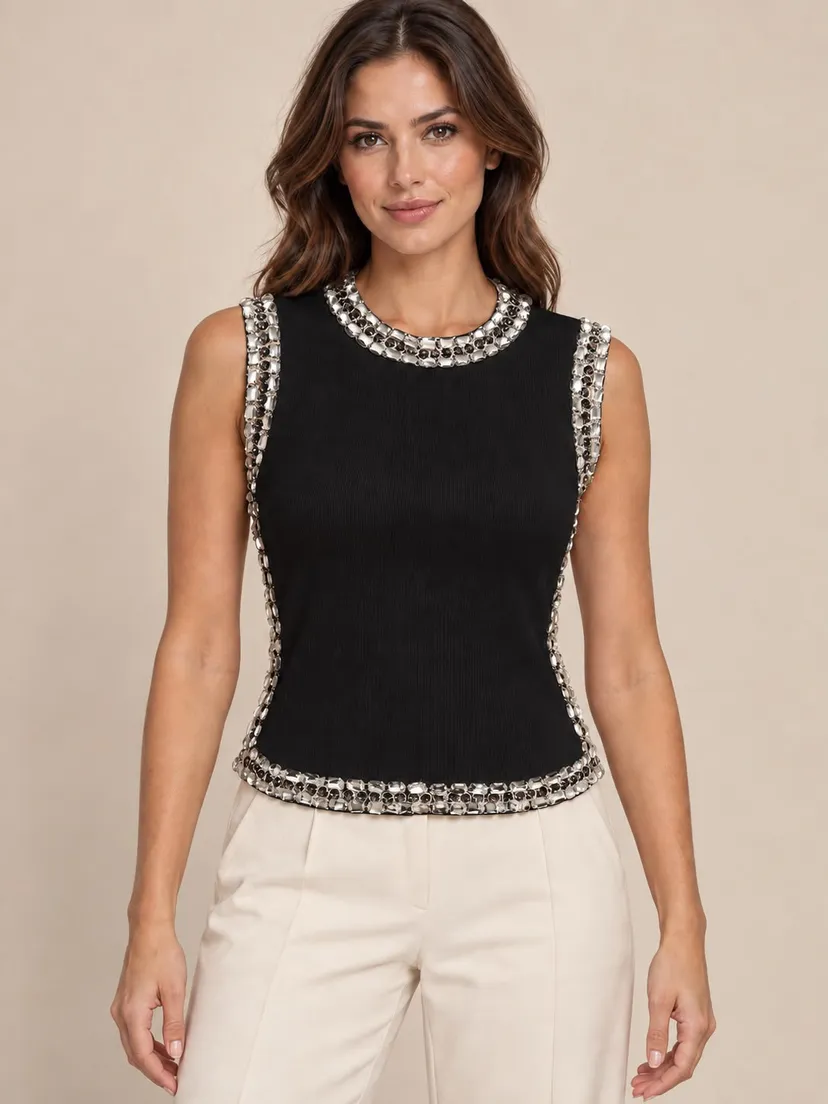
Our Embellished Open Back Top uses considered embellishment on a clean silhouette, making it easier to wear often and simpler to process at end of life. Similarly the Metallic Appliqué Long Sleeve Top adds light-reflecting detail without excessive decoration, so it works for many occasions and remains practical to recycle.
Pairing Embellished Pieces for More Wears
One sequinned item does not need to be a once-a-year dress. Pair an embellished top with a simple skirt or tailored trousers to create different looks. The Skirts collection offers clean shapes that balance statement tops without competing.
Evening separates also extend use. A metallic or embellished piece worn with our Evening Dresses range as a layering option, or over a sleek base, multiplies the outfits you can create between special events.
Caring for Sequin and Embellished Garments
Gentle handling keeps sequins in place and the fabric intact, increasing the chance they can be recycled later. Always turn embellished items inside out before washing. Use a cool hand wash or delicate machine cycle with a mesh bag, and never tumble dry.
Store sequinned pieces hanging or folded with acid-free tissue to prevent snagging. Our guide on How to Store Evening Dresses Between Occasions offers detailed steps that apply equally to embellished tops and separates.
For knit styles with metallic accents, refer to How to Size Knitwear for advice on fit that avoids stretching, which can loosen applied details over time.
Building a More Circular Wardrobe
Closed-loop systems work best when garments stay in use for years. Buy fewer, better-made pieces and wear them in multiple ways. A metallic top that moves from cocktails to Christmas dinner to New Year’s Eve makes better use of resources than a single-occasion dress.
Look for versatile silhouettes. The Metallic Appliqué Long Sleeve Top slips under blazers, over camisoles or tucked into wide-leg trousers, giving it a long active life before it ever needs recycling.
When the time comes, check whether the brand offers a take-back scheme or locate your nearest UK textile recycling point that accepts embellished items. Every garment that returns to the loop supports the infrastructure needed for true closed-loop fashion.
Practical Steps You Can Take Now
- Assess your current sequinned or embellished pieces and repair any loose stitching before storing them properly.
- Choose new items with secure embellishment and simple base fabrics that will be easier to recycle at end of life.
- Wear your special pieces more often by styling them with everyday separates rather than saving them for rare events.
- When an item is truly finished, find a local or brand-led collection point rather than putting it in household waste.
- Support brands investing in UK recycling by asking questions about their end-of-life programmes.
Closed-loop recycling for sequin dresses is still evolving, yet the direction is clear. By caring for what we own, choosing thoughtfully and returning materials when they are worn out, we help keep sparkle in the system instead of the bin. Small decisions add up to meaningful change in how occasionwear is made and remade in the UK.
Shop the edit


Frequently asked questions
Can all sequins be recycled in closed-loop systems?
Most plastic and metal sequins can be recovered if the dress reaches a specialist facility. Mixed fabrics or heavy embellishment sometimes lowers recovery rates, which is why buying well-made pieces helps.
How does buying British-made help closed-loop efforts?
Shorter supply chains mean worn garments return to the same region for recycling. This keeps materials in the UK loop instead of being lost to export or landfill.
Style notes from the DENISA team. Fit, fabric and care vary by piece, so always check the product page and the care label. Back to the DENISA blog.