
A Split Complementary Colour Palette for 2026 Social Events
By the DENISA teamPublished 6 min read
Quick answer
- Split complementary schemes use one colour and the two on either side of its complement for natural harmony.
- Teal, coral and warm neutrals work across day dresses, corset tops and tailored trousers for varied occasions.
- Pair teal with coral accents and off-white or beige bases to keep outfits polished yet easy.
- Test combinations with your undertone using our quiz for the most flattering results.
A split complementary colour palette brings together one main hue and the two colours that sit on either side of its direct complement on the colour wheel. For teal, that means pairing it with coral on one side and a warm red-orange on the other, then tempering both with warm neutrals such as off-white, cream or beige. The result is a three-colour scheme that offers enough contrast to feel interesting without the clash of fully complementary colours. This approach works for 2026 social calendars filled with everything from daytime lunches to evening receptions.
At DENISA we design evening separates and day dresses that slot neatly into these palettes. The structured corsetry, fluid trousers and soft knits provide the perfect canvas for teal, coral and warm neutrals, letting you move from one event to the next without needing an entirely new wardrobe.
Understanding Split Complementary Colour Schemes
The colour wheel organises hues in a circle so that opposites create maximum contrast. A split complementary palette softens this by choosing the two neighbours of the true opposite. Teal’s complement is a warm orange-red; splitting that gives you a vibrant coral and a slightly redder tone. Adding warm neutrals bridges the cooler teal with the livelier coral, creating balance that flatters most skin tones.
This scheme is practical because it limits your choices to three core families while still allowing variety. You can let one colour dominate for a calmer look or use all three for more impact. The key is proportion: warm neutrals should form the largest area, with teal and coral used as accents or secondary pieces.
Why This Palette Suits Varied 2026 Social Calendars
From garden parties on long summer evenings to winter drinks parties after the clocks go back on 25 October 2026, a teal-coral-neutral scheme adapts easily. Christmas Day falls on a Friday that year, so many of us will move between family lunches, evening gatherings and New Year’s Eve on the Thursday. The palette works because teal reads as quietly elegant, coral brings warmth and energy, and the neutrals keep everything grounded and wearable.
It also travels well. A single coral accent piece can lift a neutral base for daytime, then pair with teal for evening drama. This versatility saves packing space and decision fatigue when your diary fills up.
Building Daytime Looks with Day Dresses
For lunches, christenings or daytime weddings, begin with a neutral foundation. The Pink Collared Sleeveless Knit Dress in its soft pink tone sits comfortably within warm neutrals and gives an immediate polished base. Layer a lightweight teal cardigan or jacket over it when the temperature drops, or add coral earrings and shoes for a subtle pop.
Alternatively, reach for the Sleeveless Button-Front Pleated Dress in cream. Its pleated skirt moves beautifully and the neutral shade allows you to introduce teal through a belt or coral through a clutch without overwhelming the look. These choices keep you comfortable and appropriate for garden parties or smart lunches while still feeling considered.
Mixing Separates for Flexible Daytime Dressing
If you prefer separates, pair the Floral Trim Sleeveless Top in white with the Military Pleated Wide Leg Trousers in off-white. The military detailing on the trousers adds structure that balances the soft floral trim. Introduce coral through a lipstick or scarf, and keep a teal blazer in your car for when the evening chill arrives.
Evening Separates with Teal and Coral Accents
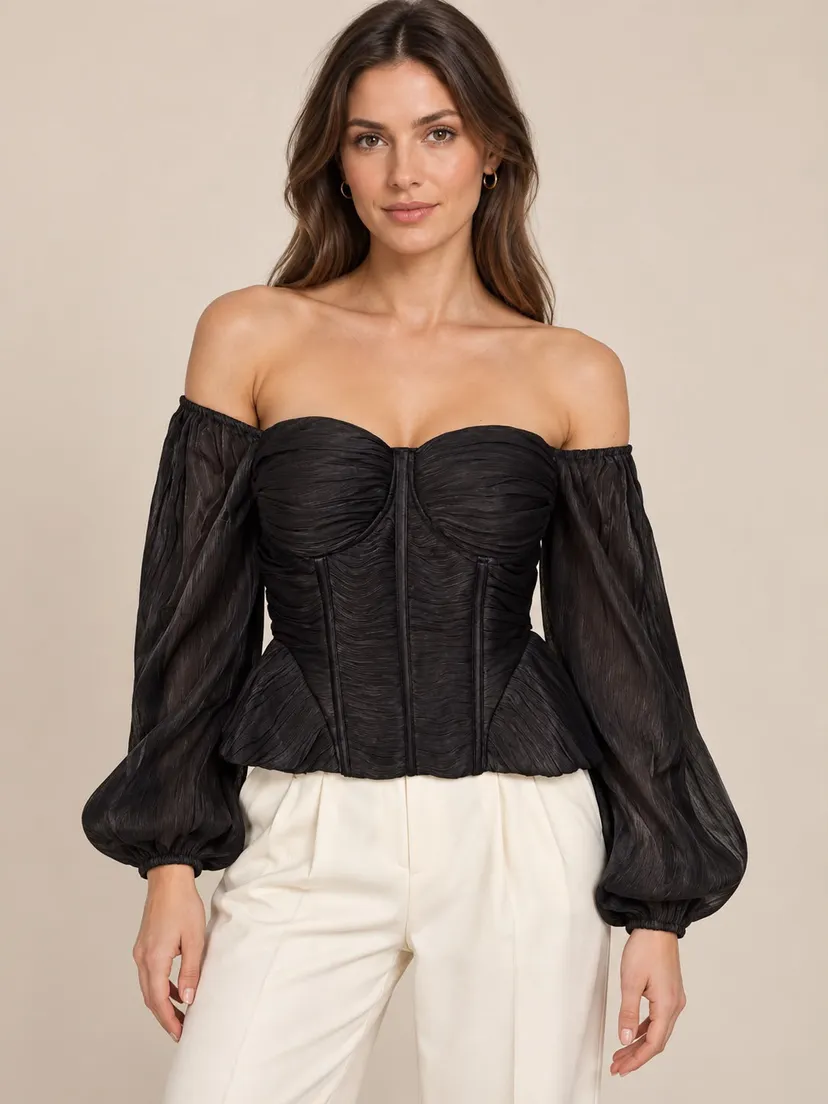
Evening events call for more definition. The Sweetheart Neck Long Sleeve Corset Top in a deep teal creates an elegant silhouette that flatters through corset-style shaping and long sleeves. Pair it with the Black High-Waist Draped Trousers for a sleek monochrome base, then add coral heels or jewellery to bring the split complementary scheme to life.
For something softer, choose the Flower Trim Mesh Corset Top in beige and layer it under a coral-toned jacket. The neutral mesh lets the trim catch the light while the coral brings warmth against cooler evening lighting. These combinations work for drinks parties, receptions and New Year’s Eve without needing a full dress.
Co-ords and Sets for Effortless Outfits
When time is short, a co-ord set solves the problem. The Black Suede-Effect Two-Piece Trouser Set offers a luxe neutral base that pairs with either teal or coral accents. Wear the top with a coral skirt for a lunch-to-dinner transition, or style the trousers with the Sweetheart Neck Long Sleeve Corset Top in teal for instant evening polish.
The Studded Zip Jacket & Trousers Co-ord Set in a warm neutral shade gives you another ready-made option. Split the pieces: use the jacket over a day dress to add edge, or wear the full set with coral accessories for weekend events. These sets reduce decision-making while still letting you play with the palette.
Layering for Changing Seasons and Temperatures
British weather rarely stays still, so layering is essential. A Cropped Cable Knit Roll Neck Jumper in winter white sits neatly over the corset top and under a teal blazer. The Jackets & Blazers category contains several options that work as the neutral or teal layer depending on the shade you choose.
For autumn and winter events after the clocks go back, the Tartan Check Peplum Blazer in brown tones adds warmth and pattern that reads as a rich neutral. Layer it over the Pink Collared Sleeveless Knit Dress for a smart daytime look, or over a corset top and draped trousers for evening. The peplum shape defines the waist and works with both fluid and structured bottoms.
Practical Tips for Wearing This Palette Successfully
Start by identifying your undertone with our Colour Undertone Quiz. Warm undertones usually suit the coral and neutral sides best, while cooler undertones can lean into the teal. Once you know your best balance, build outfits from the largest garment down: choose your neutral base first, then decide which of the two accent colours will dominate.
Keep accessories simple. Gold hardware, as seen on many DENISA pieces, warms up teal beautifully and prevents the palette from feeling cold. Test combinations in daylight before the event; what looks balanced under shop lights can shift under evening bulbs. Finally, remember that confidence comes from feeling comfortable. If one combination feels too bold, dial back the coral and let the warm neutrals do more of the work.
Our Dresses and Sets & Co-ords categories contain further pieces that follow the same flattering cuts and quality fabrics, making it easy to expand your wardrobe within this versatile palette.
Shop the edit
 Sweetheart Neck Long Sleeve Corset Top£89.99
 Military Pleated Wide Leg Trousers£99.99
 Pink Collared Sleeveless Knit Dress£59.99
 Black High-Waist Draped Trousers£129.99
Frequently asked questions
What makes a split complementary palette different from a triadic one?
A split complementary palette selects one hue and the two colours adjacent to its direct opposite on the colour wheel. This creates contrast with less tension than a triadic scheme that uses three evenly spaced colours.
Can I wear teal and coral together without looking too bold?
Yes, by grounding them with warm neutrals such as off-white, cream or beige. The neutrals soften the contrast while the teal and coral provide interest. Start with one dominant colour and add the other as an accent.
Style notes from the DENISA team. Fit, fabric and care vary by piece, so always check the product page and the care label. Back to the DENISA blog.