
How to Prioritise Your Occasionwear Buys
By the DENISA teamPublished 5 min read
Quick answer
- Start with a versatile day dress or blazer you can wear to multiple events per year.
- Calculate cost-per-wear by dividing price by realistic wears over three years.
- Choose items in neutral colours and quality fabrics that survive trends and repeated cleaning.
- Co-ords and blazers often give the best return because they split into multiple outfits.
When you are building an occasionwear wardrobe the question is rarely what to buy, but what to buy first. The Investment Piece Calculator approach looks at how often you are likely to attend UK events, works out the cost-per-wear for each option, and factors in how long the piece will remain useful. This gives a clear order of priority instead of guesswork.
Daytime events such as summer weddings, garden parties and lunches outnumber formal black-tie occasions by roughly three to one. That makes versatile day-to-evening pieces the sensible starting point. A day dress you can wear to a wedding, then again to a christening with different accessories, will see far more use than a floor-length evening gown reserved for one night a year.
Understand Frequency of UK Occasions
Winter events tend to cluster around November to February: office Christmas parties, family gatherings and New Year’s Eve. A warm layer that works over multiple dresses therefore offers better value than a single seasonal dress. Knowing your own diary for the next twelve months helps you weight the decision.
Cost-Per-Wear Basics
Divide the cost of an item by the number of times you expect to wear it in the next three years. A piece worn fifteen times has a far lower cost-per-wear than one worn three times, even if the initial price is higher. Our Cost Per Wear Calculator lets you compare two pieces side by side.
Longevity matters too. Well-made tailoring, sturdy zips and fabrics that tolerate dry cleaning or gentle machine washes keep the denominator (number of wears) rising for longer.
Longevity and Practical Care
Choose styles and fabrics that survive repeated wear and cleaning. A blazer in a robust wool blend or a knit in quality yarn will look good for years with proper storage. Avoid overly delicate details on high-use areas such as hems or elbows unless you are prepared to hand-wash or repair them.
Neutral colours and simple silhouettes also extend life. Cream, black, navy and soft metallics mix with more existing wardrobe items than bold prints or seasonal hues. The Sleeveless Button-Front Pleated Dress in cream is a good example: it works for daytime events, garden parties and can be dressed up for evening with the right jacket and jewellery.
What to Buy First: The Calculator in Action
Run the numbers on your shortlist. A versatile co-ord set that can be worn together or separately often beats a single dress. The Studded Zip Jacket & Trousers Co-ord Set gives you three outfits in one purchase: the full look for travel or smart weekends, the jacket over a dress for events, and the trousers with a knit for lower-key occasions. That multiplies the number of wears quickly.
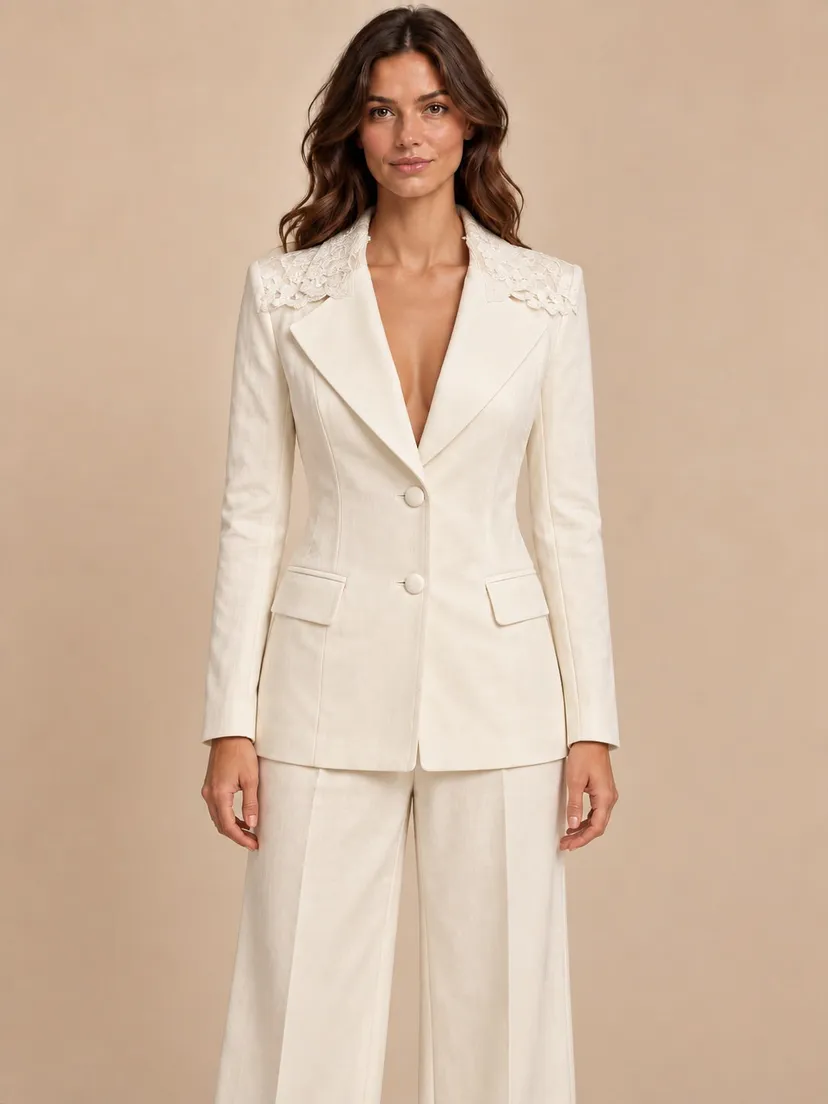
A smart layer comes a close second. The Asymmetric Lace Hem Blazer can top a slip dress for evening, button as a top with trousers for day, or finish a simple outfit when you need polish. Because it works across seasons and occasions its cost-per-wear drops fast.
Why a Good Layer Often Beats a Dress
One blazer or cardigan can transform five different dresses or tops you already own. That instantly increases the value of your existing wardrobe as well as the new piece. The Military Rib Knit Zip Cardigan functions as a jacket on milder days and layers under a coat in winter, pairing equally well with wide-leg trousers or a mini skirt.
Building a Core Occasionwear Wardrobe
After the first versatile piece, add in this order for most diaries:
- A day-to-evening dress in a neutral that flatters your shape and can be worn with or without tights.
- A smart jacket or blazer that works as outerwear and as a standalone top.
- A polished knit or top that can be dressed up or down quickly.
- One statement piece for the rarer black-tie or very formal events.
This sequence matches the frequency of UK events while keeping cost-per-wear low. You can find fresh options in New In or explore full ranges in Dresses and Sets & Co-ords.
Common Mistakes to Avoid
Buying for one specific wedding without thinking about the other events that year is the top error. Another is choosing trend-led colours that date quickly. Stick to cuts and shades you already wear and like. Overlooking care requirements also shortens life: if you hate dry cleaning, do not buy something that demands it.
Finally, do not ignore fit. A piece that needs constant adjusting or never feels comfortable will stay in the wardrobe. Try before you buy or use our size guides carefully.
Next Steps and Your Own Calculator
List the events you know are coming in the next eighteen months. Score each potential purchase against frequency, expected wears and care needs. The piece with the lowest realistic cost-per-wear and highest versatility usually wins. For more background read our guide Why Buy Fewer, Better Pieces? Cost Per Wear Explained.
Building occasionwear this way means every new item earns its keep instead of gathering dust. You end up with a smaller, more useful wardrobe that feels considered and works for real life.
Shop the edit
 Asymmetric Lace Hem Blazer£99.99
 Studded Zip Jacket & Trousers Co-ord Set£139.99
 Sleeveless Button-Front Pleated Dress£109.99
 Military Rib Knit Zip Cardigan£69.99
Frequently asked questions
How many times do I need to wear a piece to make it a good investment?
Aim for at least 15 wears over three years for most occasionwear. Everyday separates like blazers or knit tops easily hit this; full evening dresses need to be styled more creatively to reach it.
Should I buy a statement dress or a versatile jacket first?
A versatile jacket or co-ord set usually wins because it works for both day and evening events and can be worn with existing wardrobe pieces. A statement dress is better once you already own solid foundations.
Style notes from the DENISA team. Fit, fabric and care vary by piece, so always check the product page and the care label. Back to the DENISA blog.