
Practical Alterations for Occasion Dresses and Tops
By the DENISA teamPublished 5 min read

Quick answer
- Shorten or adjust hemlines for the perfect length and movement.
- Take in the waist or add darts for a sculpted silhouette.
- Modify sleeves and necklines to improve fit and proportion.
- Add subtle structure like boning or lining for a luxe feel.
Good occasionwear alterations turn a high-street evening dress or top from something that fits okay into a piece that looks and feels expensive. A skilled tailor can adjust length, shape the waist, refine sleeves and add structure so the garment moves with you rather than against you. These practical tweaks focus on evening dresses and tops that UK women buy for weddings, parties and festive events.
Below are the most useful changes to request, based on what actually works on ready-to-wear pieces. We have kept the advice specific so you can walk into an alterations shop with clear instructions.
Hem Adjustments That Improve Proportion and Movement
The most common request is hem work, yet it makes one of the biggest differences to how an evening dress looks. For midi and maxi styles, aim for the hem to graze the floor when you are wearing the shoes you plan to dance in. This prevents the fabric from puddling or tripping you while still giving a luxurious sweep.
On shorter evening dresses or skirts, a tailor can create a subtle high-low hem that looks intentional rather than shortened. For satin or crepe styles like the Lace Corset Draped Satin Midi Dress, ask for the hem to be finished with a blind hem stitch so the stitching remains invisible from the right side.
If the dress has a slit, request that the tailor reinforces the top of the slit with extra stitching or a small bar tack. This stops it riding up or fraying after a night of movement. Always take the exact heels you will wear to the fitting.
Waist and Bodice Tweaks for a Sculpted Shape
Many off-the-peg dresses sit loosely at the waist. A tailor can take in the side seams or add internal darts to create a smoother, more defined line without making the dress feel tight. On corset-style tops, this is especially effective.
Request side-seam adjustments rather than centre-back changes when possible. This keeps any zip or button detailing intact. For dresses with a defined waist, such as the Lace Yoke Satin Wrap Dress, ask the tailor to shorten the tie ends if they are too long and to secure the wrap section with an extra internal hook and eye so it stays closed when you move.
If the bodice gapes at the neckline, a small dart or pinch at the shoulder seam can correct this. On strapless or asymmetric styles like the Shadow Evening Dress, adding subtle boning to the bodice gives support and prevents rolling or slipping throughout an evening.
When to Add or Adjust Boning
Boning is not just for bridal wear. A good tailor can insert lightweight spiral steel or plastic boning into the seams of an evening bodice to give it structure. This works particularly well on satin or mesh styles and stops the top from creasing or losing shape after sitting down.
Sleeve Modifications for Better Proportion
Long sleeves on evening tops can overwhelm a smaller frame. Shortening them to three-quarter length or adding a slit at the cuff creates a more elegant line. On the Sweetheart Neck Long Sleeve Corset Top, shortening the sleeve slightly and tapering it can make the corset bodice appear more balanced.
For puff or bishop sleeves, ask for the volume to be reduced at the shoulder seam. This prevents the sleeve from adding bulk across the upper arms. If the sleeve is too tight, a tailor can let out the underarm seam or add a small gusset for comfort without losing the fitted look.
Neckline Refinements That Flatter
A neckline that sits away from the collarbone or cuts too high can spoil an otherwise good dress. A tailor can lower a crew neck by half an inch or reshape a sweetheart neckline to sit properly on the bust. On lace-yoke dresses, the lace can be carefully re-attached after adjustment.
For open-back tops, ensure the back opening is not too wide. A small adjustment to the side seams or addition of a discreet hook at the neck can stop the fabric from sliding off the shoulders. The Embellished Open Back Top benefits from this kind of fine tuning so the embellishment stays centred.
Finishing Details That Add Polish
Simple additions make a high-street buy feel more expensive. Ask for the insides of an evening dress to be fully lined if it is not already. This improves comfort against the skin and helps the garment hang better. French seams or binding on raw edges inside a jacket or top prevent fraying and look neater.
Adding discreet weight tape to the hem of a satin skirt gives it a more fluid drape and stops it flying up in a breeze. For velvet or heavier fabrics, this is less necessary. Shoulder pads can be removed or slimmed down if they look dated; many modern evening pieces look better without them.
Choosing the Right Tailor for Occasionwear
Look for someone who specialises in formal and bridal alterations rather than general clothing repairs. They will be familiar with delicate fabrics such as satin, lace and crepe. Bring photos of how you want the finished piece to look and wear the correct underwear and shoes to every fitting.
Our own Alterations Guide: What a Tailor Can and Cannot Fix explains which changes are straightforward and which are best avoided. For storing your newly perfected pieces between events, see How to Store Evening Dresses Between Occasions.
Once altered, pieces from our Evening Dresses and Tops ranges tend to need only minor maintenance in future because the fabrics and construction are chosen to hold their shape. A well-fitted garment not only looks more expensive but feels more comfortable, letting you focus on the evening rather than adjusting straps or tugging at a hem.
Small, considered changes by a good tailor can transform a standard high-street find into something that feels personal and luxurious. The secret is knowing exactly what to ask for and taking the time to get the fit right before the occasion.
Shop the edit
 Lace Corset Draped Satin Midi Dress£300.00
 Sweetheart Neck Long Sleeve Corset Top£89.99
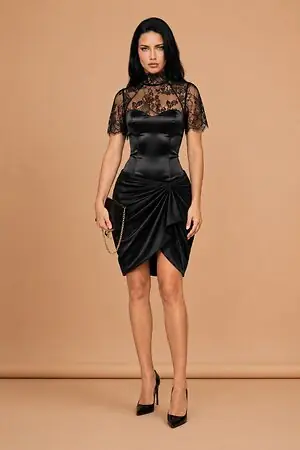 Lace Yoke Satin Wrap Dress£249.99
 Shadow evening dress£149.99
Frequently asked questions
Can every high-street evening dress be altered successfully?
Most can be improved but there are limits. A tailor can usually adjust length, take in seams and tweak darts. However, major pattern changes or working with delicate fabrics like beaded chiffon may not be practical.
Style notes from the DENISA team. Fit, fabric and care vary by piece, so always check the product page and the care label. Back to the DENISA blog.