
How to Choose Invisible Thermal Underlayers for Lace and Satin Party Tops
By the DENISA teamPublished 5 min read
Quick answer
- Choose thin, seamless merino or silk thermal vests and long-sleeve tops in skin-matching tones.
- Look for flatlock seams and tag-free designs that prevent lines under lace and sheer fabrics.
- Layer a fine thermal bodysuit or camisole beneath corset-style or lace-yoke pieces for core warmth.
- Test visibility by wearing your chosen evening outfit over the base layer in good lighting before heading out.
When the search is for invisible thermal underlayers that work under sheer lace and satin party tops, the answer lies in choosing ultra-fine, seamless base layers in skin-matching shades. Merino wool and silk thermals cut to smooth second-skin shapes disappear beneath delicate fabrics while trapping just enough warmth for a British winter evening out. This approach lets you wear your favourite evening pieces without adding bulk or spoiling clean lines.
Party season in the UK often means freezing temperatures on the way to warm venues, so practical layering becomes essential. The goal is to add insulation that no one can see once you remove your coat. Below are specific fabric choices, styles and techniques that deliver reliable warmth under lace, mesh and satin without compromising the look of your outfit.
Choose the Right Fabric for Invisible Warmth
Two natural fibres stand out for thermal underlayers that remain unseen. Lightweight merino wool offers excellent temperature regulation and naturally resists odour, making it ideal for long evenings. A merino vest or long-sleeve top in a nude or soft beige tone sits flat against the skin and does not create texture under lace.
Silk is equally effective and even smoother. Silk thermal camisoles and long-sleeve tops have a luxurious hand-feel and excellent drape, so they do not bunch or ride up under fitted bodices. Both fabrics wick away moisture, preventing that clammy feeling when you move between cold streets and heated rooms. Avoid synthetic fleece or heavy cotton thermals; they add bulk and often show through finer fabrics.
Select Seamless Styles That Disappear Under Lace
Seam placement is critical when wearing thermal underlayers beneath party tops. Look for garments with flatlock seams or, better still, seamless construction. These sit smoothly against the body and do not create ridges under sheer mesh or eyelash lace. A seamless long-sleeve thermal top in a skin tone works particularly well under long-sleeved lace blouses or dresses with delicate yoke details.
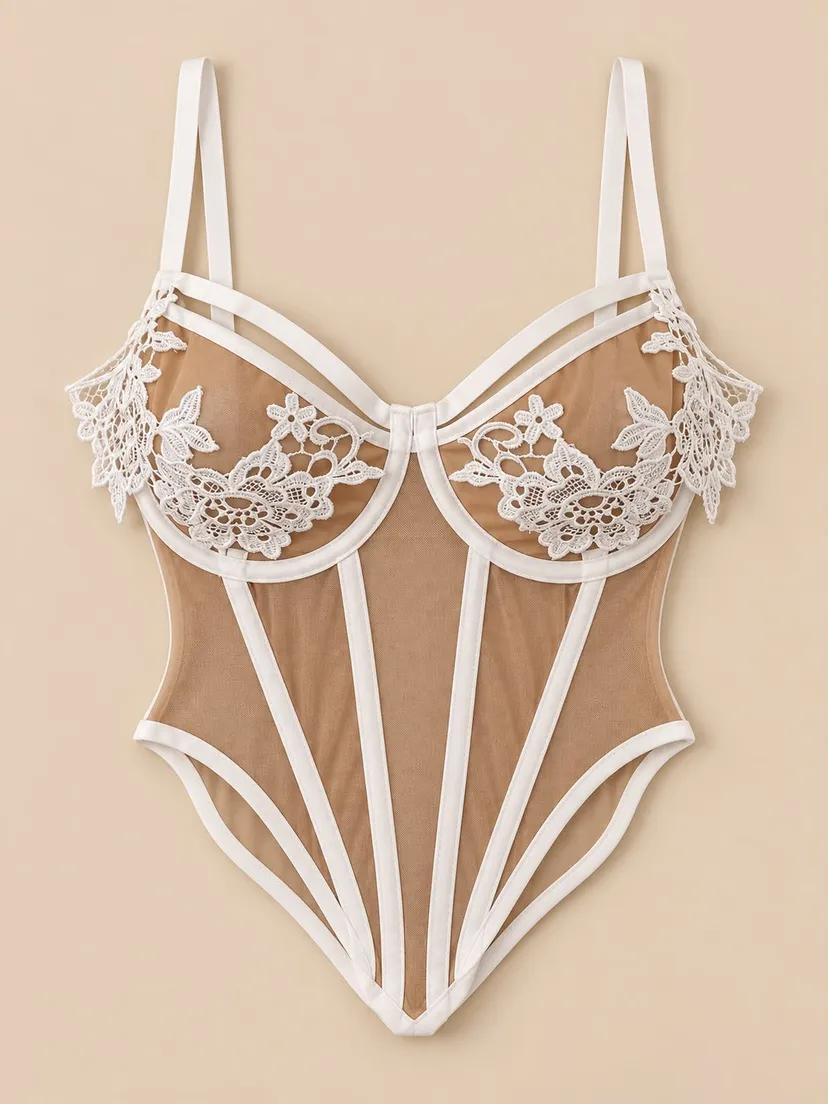
For strapless or corset-style pieces, a strapless thermal bandeau or a fine merino camisole provides core warmth without visible straps or necklines. The Flower Trim Mesh Corset Top is a perfect example of a going-out piece that benefits from an invisible base layer; its sheer mesh construction shows every line underneath, so a seamless silk or merino layer underneath keeps you warm while preserving the intended delicate effect.
Consider a Thong-Back Bodysuit for Clean Lines
A lightweight thermal bodysuit with a thong back eliminates any fabric bunching at the waist or hips. When tucked into high-waisted trousers or under a wrap skirt, it creates one smooth line from bust to hem. Choose versions without bulky zips or plastic fastenings that could show through satin.
Match Colour and Tone to Your Outfit
Colour matching is one of the simplest ways to ensure thermal underlayers stay invisible. Select base layers in the exact shade of your skin or slightly lighter rather than bright white or black unless your party top is opaque. Nude tones disappear under white lace, while soft beige works under black or darker shades.
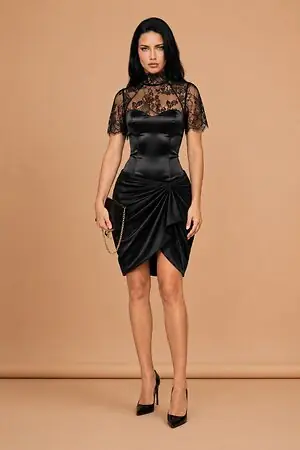
When wearing a piece such as the Lace Yoke Satin Wrap Dress, the high-neck eyelash-lace yoke and sheer sleeves require particular care. A long-sleeve thermal top in a pale tone that matches your arms will vanish beneath the lace without altering the intended transparency of the sleeves.
Layering Techniques for Evening Dresses and Blouses
Start with the thinnest layer next to the skin. A fine merino or silk vest provides baseline warmth and can be worn alone under a sleeveless corset bodice. Add a long-sleeve version only if your dress or blouse has sleeves that can accommodate the extra fabric without pulling or showing seams.
Pair your chosen thermal with pieces from our blouses or evening dresses collections. The clean lines of a satin blouse remain undisturbed when the thermal layer is cut close to the body and ends at the natural waist. For full-length gowns, ensure the thermal top finishes above the point where the skirt begins to gather or drape so that no lines appear through fluid satin.
Always test the combination at home in front of a mirror with the same lighting you expect at the event. Move, sit and raise your arms. If you cannot see the thermal layer, it is doing its job.
Practical Considerations for UK Winter Party Season
December 2026 brings cold evenings, with Christmas Day falling on a Friday and New Year’s Eve on a Thursday. Many parties will involve travel between venues, so your thermal underlayer needs to work from street to dinner table. Merino’s ability to regulate temperature means you stay comfortable whether you are outside waiting for a taxi or inside a warm room.
Choose thermal pieces that are easy to wash and quick to dry, especially during a busy social calendar. Both merino and silk can be hand-washed gently or placed in a mesh bag on a cool machine cycle. For more guidance on caring for delicate fabrics, see our Fabric Care Finder.
Consider versatility. A neutral long-sleeve thermal top can be worn under multiple outfits, from a metallic evening blouse to a lace-trimmed dress, stretching your wardrobe without adding clutter.
Common Mistakes to Avoid
Many people choose thermal underlayers that are too thick, believing more fabric equals more warmth. In reality, several thin layers trap air more effectively than one bulky piece and are far less likely to show. Another frequent error is selecting bright white thermals under pale lace; the contrast creates visible lines that ruin the romantic effect.
Finally, do not ignore necklines. A high-neck thermal under a low-cut or sheer yoke dress will be obvious. Match the neckline shape as closely as possible.
With the right invisible thermal underlayers, you can enjoy party season in comfort and confidence. Focus on fine natural fibres, seamless construction and careful colour matching, and your lace, mesh and satin pieces will look exactly as intended while keeping you warm through every festive gathering.
Shop the edit

Frequently asked questions
Can you wear thermal layers under a sheer lace corset top without showing lines?
Yes, provided you select ultra-fine, seamless merino or silk pieces in a close skin tone. Avoid thick fleece or ribbed textures that create bulk.
What fabrics work best for invisible thermal layering in winter?
Lightweight merino wool and silk are the most effective. Both wick moisture, regulate temperature and sit smoothly against the skin without adding visible texture.
Style notes from the DENISA team. Fit, fabric and care vary by piece, so always check the product page and the care label. Back to the DENISA blog.