
How to Choose a Hat for an Outdoor Summer Wedding in the UK
By the DENISA teamPublished 5 min read
Quick answer
- Choose lightweight, structured hats with secure fastenings to handle UK coastal or garden breezes.
- Opt for wider brims that shield from sun yet allow space for a fascinator clip or comb.
- Pair neutral or soft-toned hats with your outfit so they complement rather than compete.
- Test the hat on a breezy day and ensure it feels balanced for hours of standing and mingling.
When it comes to outdoor summer weddings in the UK, a good hat is less about fashion statements and more about practicality. British weather can bring sudden gusts even on sunny days, so the right headwear needs to stay secure, shield you from glare, and work comfortably alongside a fascinator if the invitation calls for one. This guide walks through exactly how to choose a hat that survives the elements while looking polished from ceremony to dancing.
Understand the Real Weather Challenges
UK summer weddings held in gardens, marquees or by the coast face two main issues: wind and variable light. A sudden breeze can lift a wide-brimmed hat clean off your head or send a lightweight fascinator spinning. Sun can also be stronger than expected, especially when reflected off stone or water. Start by checking the venue forecast for the week leading up to the day.
Choose the Right Hat Types for Wind Resistance
Look for structured materials that hold their shape. Sinamay, a woven fibre often used in British millinery, is lightweight yet surprisingly sturdy and resists flapping. Pillbox styles or small, angled hats sit lower on the head and catch less wind. Wider brims can work if they have a slight downward tilt or wired edge that lets you shape them to deflect gusts. Avoid completely soft fabric hats or anything with long, trailing ribbons that act like sails.
Consider a hat with a built-in elastic or comb grip. Many modern designs include discreet interior bands or clips that secure to your hair without visible effort. If you plan to wear your hair up, test the hat with that style in advance so you can see exactly where the weight sits.
Pairing Hats and Fascinators
Some invitations specify “hats or fascinators”. When both are acceptable, many guests choose a simple hat base and add a small fascinator for height or colour. Place the fascinator on the opposite side of the hat’s main trim so the silhouette stays balanced. A neutral hat in cream, soft grey or pale navy gives you flexibility to add a fascinator in bolder tones that pick up details from your dress.
Match the Hat to Your Outfit and Occasion
Your hat should feel like part of the whole look rather than an afterthought. For a day dress in lighter tones, a cream or off-white hat keeps things harmonious. If you are wearing something with metallic thread or subtle sheen, choose a hat with a similar subtle lustre rather than a flat matte finish.
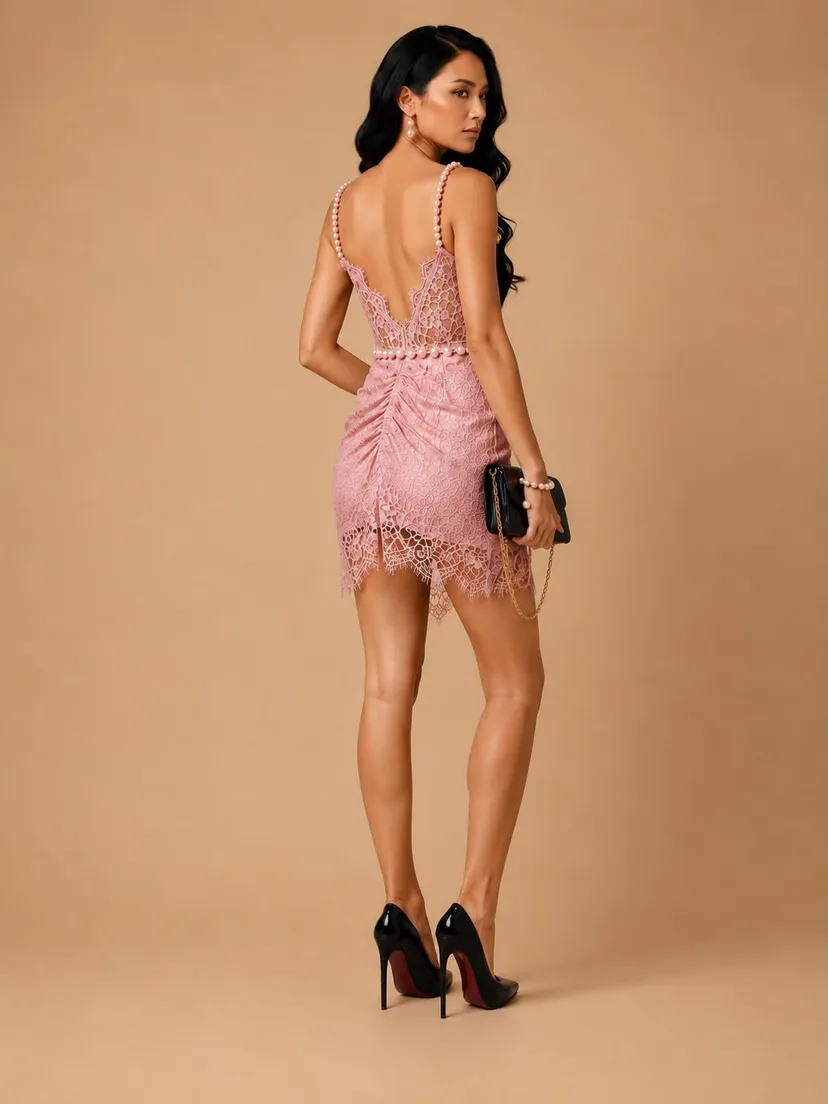
A structured jacket can anchor a larger hat. The Asymmetric Lace Hem Blazer in white, for example, pairs neatly with a small structured hat in the same tone, letting the lace hem detail echo any trim on the hat. For a more romantic feel, the Blush Pink Pearl-Trim Lace Corset Mini Dress looks polished with a soft, neutral hat that picks up the pearl tones without competing with the delicate lace.
Consider Comfort and Practicality for a Full Day
You will likely stand for the ceremony, sit for the meal, and move between marquee and lawn for photos and drinks. A heavy hat quickly becomes tiring. Test any shortlist by wearing it around the house for at least twenty minutes. Walk, sit, look up and down, and turn your head sharply. If it shifts or presses on your temples, it will not survive a long wedding day.
Choose breathable linings and avoid dark colours that absorb heat if the forecast is warm. A hat with a slight tilt can also shade your eyes without forcing you to squint in every photograph. If you wear glasses, check that the brim does not cast awkward shadows across your face.
Hair and Securing Tips That Actually Work
Secure hair is the foundation of a secure hat. An updo or half-up style with plenty of hidden pins gives you something solid to anchor to. Use hat pins only if you are confident with them; otherwise, a wide-toothed comb sewn into the hat or a thin elastic looped around a discreet hairpin works better for most people.
Carry a small kit with extra pins, a mini can of hairspray and double-sided tape just in case. A quick spray at the roots before fixing the hat can make all the difference on a breezy afternoon.
What to Wear With Your Chosen Hat
Once the hat is sorted, build the rest of the outfit around it. A jacket or blazer adds structure that balances larger headwear. For softer looks, a lightweight top with subtle detail lets the hat take centre stage without the whole ensemble feeling fussy.
Our What to Wear to a Summer Wedding guide offers more ideas on balancing colours and proportions when accessories are involved. Remember that the most successful wedding outfits feel considered but never contrived.
Final Checks Before the Big Day
Try the complete outfit, including shoes and bag, at least a week in advance. Walk outside on a breezy day if possible. Take photos from every angle so you can see how the hat sits with your chosen hairstyle and outfit. Make any small adjustments early rather than on the morning of the wedding.
A well-chosen hat for a UK summer wedding does not need to be the most expensive or elaborate. It simply needs to stay where you put it, feel comfortable for hours, and complement the clothes you already love wearing. With a little planning, you can enjoy the day without constantly adjusting your headwear or worrying about the next gust of wind.
Shop the edit


Frequently asked questions
Can I wear a hat and a fascinator together at a UK wedding?
Yes, many women do. A simple hat with a secure base leaves room to add a small fascinator on the opposite side. Keep the overall look balanced so neither item overwhelms the other.
What materials cope best with British summer weather?
Sinamay, lightweight felt and straw hold their shape in wind better than soft fabrics. Avoid anything too floppy that will whip about or lose form after one gust.
Style notes from the DENISA team. Fit, fabric and care vary by piece, so always check the product page and the care label. Back to the DENISA blog.