
Evening Shoe Insoles and Pads for Comfort at Formal Occasions
By the DENISA teamPublished 5 min read
Quick answer
- Gel metatarsal pads and heel grips reduce friction and stop blisters in strappy evening shoes.
- Slim foam or leather insoles add arch support without crowding toes in dress heels.
- Ball-of-foot cushions ease pressure during dancing; test them at home before events.
- Pair comfortable shoes with a corset top and wide-leg trousers for polished evening ease.
Evening shoe insoles and pads offer straightforward ways to prevent blisters and improve support when you are on your feet for hours at formal occasions. When you are dancing at a wedding reception or standing through a long evening event, the right inserts can make a noticeable difference without altering the look of your shoes.
In the UK you can find a range of gel pads, foam insoles and heel grips in pharmacies, supermarkets and specialist online stores. They are inexpensive, easy to trim to size and can be swapped between different pairs. This guide shares specific, practical advice on choosing and using them so your evening shoes stay comfortable from first drink to last dance.
Common Foot Problems in Evening Shoes
Strappy sandals, pointed heels and slingbacks often lack the cushioning and structure of everyday shoes. The most frequent complaints are blisters on the back of the heel, sore balls of the feet after dancing, and aching arches from limited support. Tight toe boxes can also cause pressure on the sides of the toes.
These issues become more noticeable when you wear the shoes for several hours or on hard floors typical of venues. A few targeted inserts can address each problem directly rather than forcing you to change your footwear choice.
Choosing the Right Insoles and Pads
Look for products labelled as ball-of-foot cushions, metatarsal pads, heel grips or slim arch insoles. Gel versions are popular because they are thin, sticky enough to stay in place and washable. Foam offers slightly more cushioning but can compress over time.
In the UK, Boots, Superdrug and online retailers such as Amazon stock reliable own-brand options alongside brands like Scholl, Dr Scholl’s and Foot Petals. Choose clear or skin-tone gel for open shoes so they remain discreet. Measure the insole of your shoe before cutting any pad to size.
Preventing Blisters
Blisters form where skin rubs repeatedly against the shoe. A soft heel grip or adhesive cushion placed exactly where the shoe bites can reduce friction straight away. Many UK users also apply a thin layer of petroleum jelly or a blister-prevention stick before putting shoes on.
For strappy styles, small gel toe protectors or individual toe sleeves stop the straps from digging in. Replace pads after a few wears if they lose their stickiness.
Ball-of-Foot Cushions for Dancing
Dancing puts extra pressure on the ball of the foot. A metatarsal pad positioned just behind the ball spreads weight and reduces hot spots. Many UK dancers prefer the small oval or horseshoe-shaped gel versions that do not reach the toes.
Try them at home first. Wear the shoes with the pads for an hour or two around the house so you can adjust placement before the event. This simple addition often makes the biggest difference to comfort during fast songs or long periods on a dance floor.
Adding Arch Support Without Bulk
Many evening shoes are almost flat inside. A slim leather or foam half-insole that covers only the arch and heel area can improve posture and reduce fatigue. Avoid full-length insoles unless your shoes are roomy; they can push feet forward and cause toe crowding.
UK brands such as Sole and pedag offer thin, contoured options designed for dress shoes. Some have a light adhesive backing so they stay put when you slip your foot in and out during the evening.
Staying Comfortable All Evening
Preparation helps. Break shoes in gently at home, even with the new pads in place. Carry a spare pair of heel grips or a small tube of foot balm in your bag for emergency top-ups.
Consider the rest of your outfit too. A Sweetheart Neck Long Sleeve Corset Top paired with Ivory High Waist Pleated Wide Leg Trousers creates an elegant silhouette that allows you to move freely. The structured waist of the trousers can feel more forgiving than a tight dress waistband when you have been standing for hours.
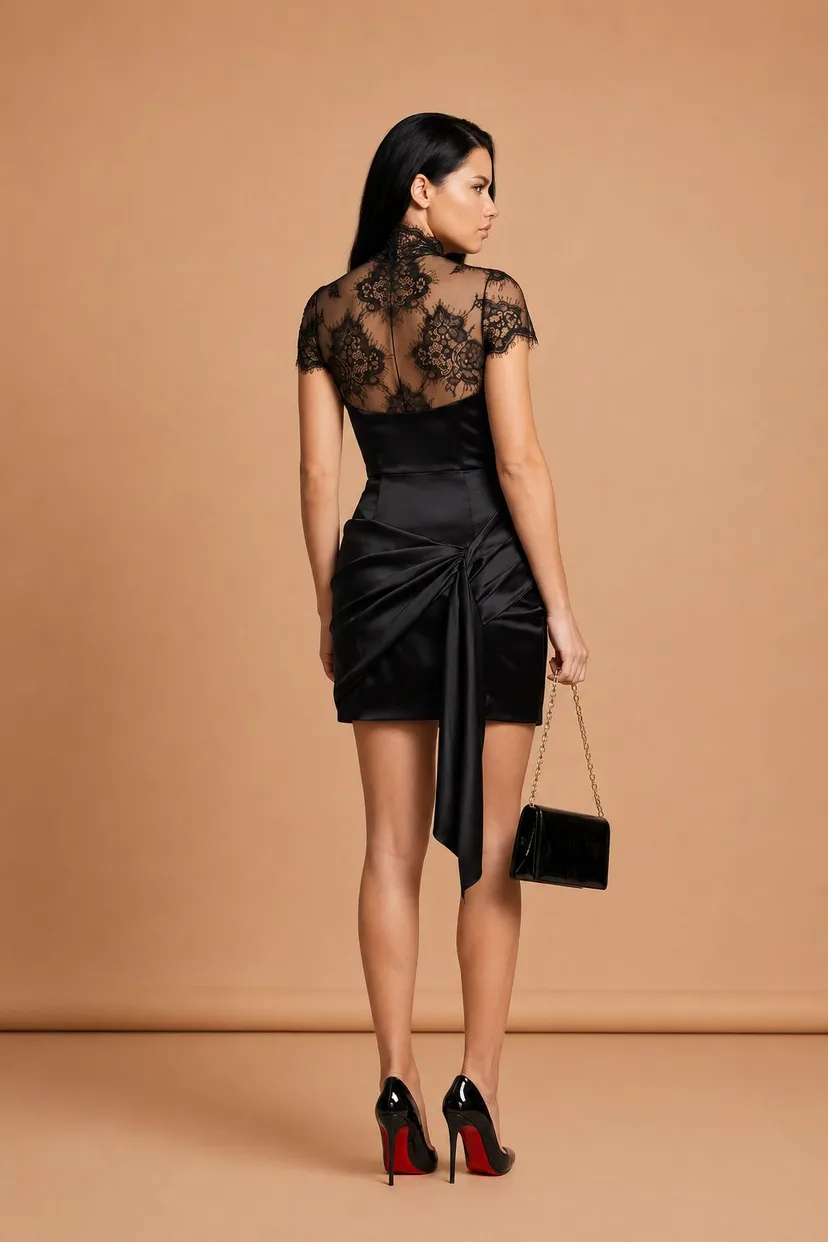
For a full evening look, the Lace Yoke Satin Wrap Dress moves beautifully on the dance floor. Its fluid drape means you are less likely to feel restricted, letting you focus on enjoying the night rather than adjusting an uncomfortable hem.
Storing Shoes and Insoles Between Occasions
Remove insoles and pads after each wear so both shoes and inserts can air. Store gel pads on their backing sheets to keep them sticky. Keep evening shoes in a cool, dry place using the guide to storing evening dresses principles – acid-free tissue and breathable bags work well for shoes too.
Check pads regularly for wear. A flattened cushion no longer protects, so replace it before the next formal event. With a small collection of reusable inserts you can rotate them across several pairs and extend the life of favourite evening shoes.
Building Comfortable Evening Outfits
Comfortable shoes change how confidently you wear an outfit. A sleek evening dress looks better when you are standing tall rather than shifting weight from foot to foot. Adding the right insoles lets you choose styles you love without worrying about sore feet by midnight.
Try a metallic top with tailored trousers for variety. The Metallic Appliqué Long Sleeve Top tucked into wide-leg trousers gives polish while the soft drape of the trousers accommodates movement. With supportive insoles inside your shoes the whole look becomes practical as well as glamorous.
Small adjustments to footwear comfort allow you to focus on the occasion itself. A few well-chosen pads and insoles are among the simplest upgrades you can make to your evening wardrobe.
Shop the edit
 Lace Yoke Satin Wrap Dress£249.99
 Sweetheart Neck Long Sleeve Corset Top£89.99
 Ivory High Waist Pleated Wide Leg Trousers£129.99
Frequently asked questions
Can I wash evening shoe insoles?
Most gel and foam versions are spot-clean only with mild soap and a damp cloth. Leather insoles can usually be wiped clean but avoid soaking them.
Do insoles work in very narrow evening shoes?
Choose the thinnest gel pads or half-insoles first. They take up minimal space while still protecting sore spots.
Style notes from the DENISA team. Fit, fabric and care vary by piece, so always check the product page and the care label. Back to the DENISA blog.