
How to build a zero-waste capsule wardrobe using deadstock fabrics
By the DENISA teamPublished 5 min read
Quick answer
- Source deadstock fabrics to prevent textile waste going to landfill.
- Choose versatile pieces that mix across occasions and seasons.
- Focus on quality construction and timeless shapes for longevity.
- Maintain garments carefully to maximise their lifespan.
A zero-waste capsule wardrobe using only deadstock fabrics starts with intentional sourcing. By selecting surplus materials that would otherwise be discarded, you avoid supporting new textile production while building a small collection of pieces that work together across seasons and occasions. The result is fewer garments overall, less waste, and a wardrobe that lasts for years rather than seasons.
This approach combines the principles of capsule dressing with fabric choices that already exist. The key is versatility, quality construction and honest assessment of what you actually wear. Below are practical steps to create your own.
What Deadstock Fabrics Mean for Your Wardrobe
Deadstock fabrics are leftovers from previous production runs, often high-quality materials such as satin, tweed, lace or wool that brands could not use in full. Choosing garments made from them directly reduces demand for virgin resources and prevents usable textile from reaching landfill or incineration.
Not all deadstock is equal. Look for suppliers who can confirm the fabric has not been chemically treated beyond standard processing. This matters when you want your capsule to remain low-impact from raw material to final garment.
Core Principles for a Zero-Waste Capsule
Limit your wardrobe to ten to twelve pieces that cover day, evening and transitional weather. Every item must work with at least three others. Prioritise neutral and tonal shades that mix easily, such as black, cream, brown, navy and soft metallics.
Focus on construction that withstands repeated wear: reinforced seams, quality linings where needed, and details such as proper hems and secure fastenings. Avoid trends that date quickly. Instead select shapes that have proved reliable over decades, such as a well-cut blazer, wide-leg trousers or a simple midi dress.
Our guide to building a capsule wardrobe that includes evenings offers a useful starting framework for balancing work, weekends and formal events.
How to Source Deadstock Pieces Intentionally
Begin by auditing your existing wardrobe. Remove anything worn fewer than ten times in the past year. This creates space and clarifies gaps. Then seek brands that openly use deadstock. Many small makers specialise in it; larger labels occasionally release limited runs from surplus rolls.
When shopping, ask about fabric origin even if not stated. Reliable makers will share batch details. Look for natural fibres or blends that age gracefully rather than synthetic fabrics that pill or lose shape quickly.
At DENISA we occasionally use deadstock lace, satin and tweed in our collections. The Jackets & Blazers category often includes structured pieces cut from heritage cloths with minimal offcuts, while the Sets & Co-ords range makes maximum use of matching deadstock runs.
Building Your Capsule Piece by Piece
Start with bottoms that anchor multiple looks. A pair of Military Pleated Wide Leg Trousers in a neutral tone works with everything from knitwear to corset tops and can be dressed up or down. Their military-inspired detailing adds interest without needing extra accessories.
Add a tailored jacket next. The Tartan Check Peplum Blazer brings structure and warmth. Its peplum shape flatters and pairs equally well with the wide-leg trousers above or a simple dress. Tartan is a classic that rarely dates.
For tops, choose items that layer or stand alone. A Sweetheart Neck Long Sleeve Corset Top offers sculpting without discomfort and moves from day to evening with a change of bottom. Its three shade options make colour coordination straightforward.
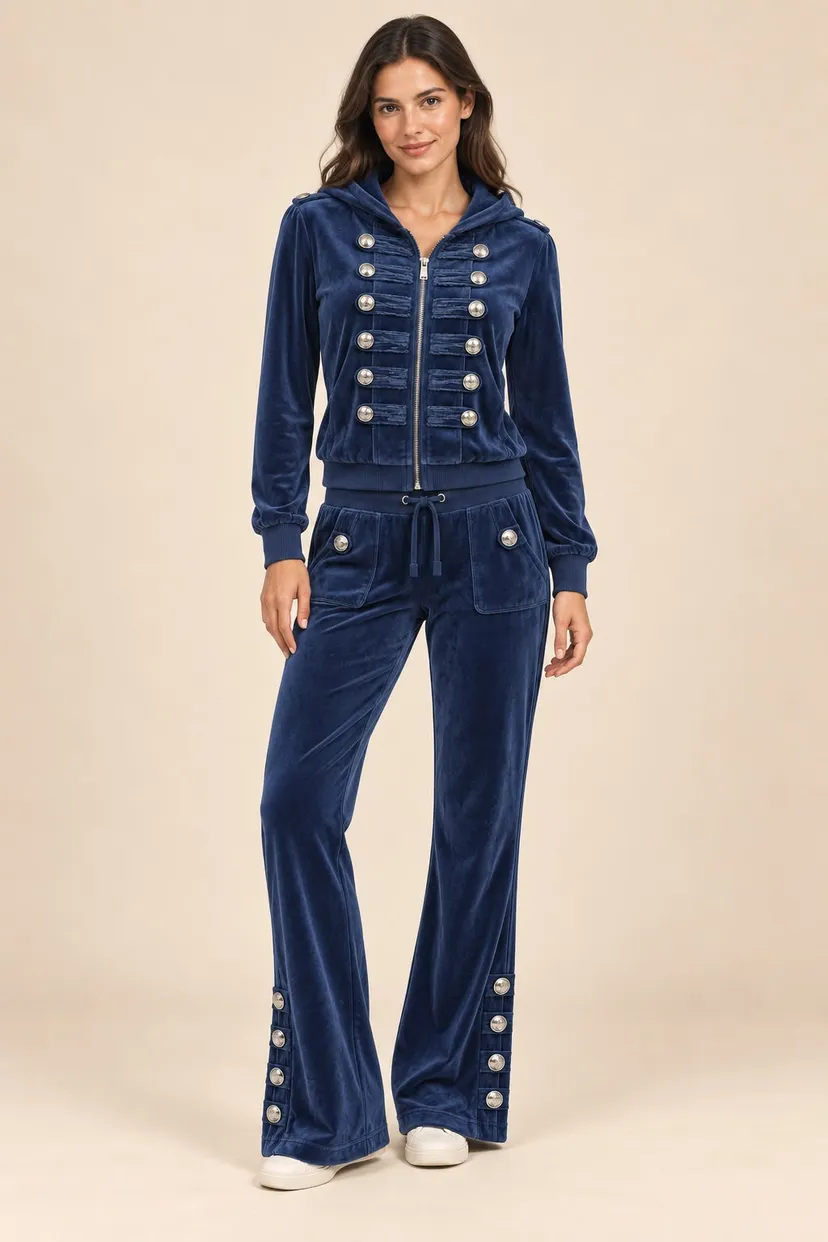
Include one co-ord set for days when decisions need to be quick. The Studded Zip Jacket & Trousers Co-ord Set can be worn together or separated, instantly doubling its usefulness within a small wardrobe.
Combining Pieces Across Occasions
A capsule succeeds when the same garments move between contexts. Wear the military trousers with the corset top and blazer for a smart daytime meeting. Remove the blazer and add simple jewellery for evening drinks. The co-ord jacket layered over a dress creates an instant smarter look without buying a separate piece.
Seasonal adaptability comes from layering. A lightweight knit from the Knitwear range slips under the blazer in colder months. The same trousers work with a sleeveless top and the blazer removed when temperatures rise.
Evening events are covered without dedicated occasionwear. The metallic details on a simple long-sleeve top catch light when paired with the wide-leg trousers and a statement earring. This keeps the total number of garments low while covering formal needs.
Caring for Your Capsule to Reduce Consumption
Longevity is the foundation of zero waste. Follow care labels precisely. Many structured pieces benefit from professional cleaning only once or twice a season rather than after every wear. Our guide to what dry clean only means explains when professional care is necessary and when gentle hand washing suffices.
Store garments properly. Use padded hangers for jackets and blazers to maintain shape. Fold knits instead of hanging them. Keep moths at bay with natural deterrents rather than chemical sprays. Repair small issues immediately; a loose button or dropped hem is easily fixed and prevents discarding a good piece.
At the end of each season, evaluate honestly. If something has not been worn, consider swapping or selling it so the fabric continues in another wardrobe rather than sitting unused.
Measuring Success Beyond the Wardrobe
A true zero-waste capsule reduces not only your personal consumption but also pressure on the wider textile system. By buying fewer, better pieces made from existing fabric, you send a clear signal that overproduction is unnecessary.
The approach is practical rather than perfect. Small adjustments over time create a wardrobe that feels effortless, looks considered and leaves far less behind. Start with the pieces you already love made from deadstock where possible, then add only what genuinely completes the set.
Shop the edit
 Studded Zip Jacket & Trousers Co-ord Set£139.99
 Military Pleated Wide Leg Trousers£99.99
 Sweetheart Neck Long Sleeve Corset Top£89.99
 Tartan Check Peplum Blazer£109.99
Frequently asked questions
What does deadstock fabric actually mean?
Deadstock refers to surplus fabric that was produced for a specific order but remains unused. Using it prevents new production and reduces waste.
How many pieces should a zero-waste capsule contain?
Aim for ten to twelve core items. Fewer, well-chosen pieces reduce overall consumption more effectively than a large wardrobe.
Style notes from the DENISA team. Fit, fabric and care vary by piece, so always check the product page and the care label. Back to the DENISA blog.