
Colour Blocking for Short UK Winters
By the DENISA teamPublished 5 min read
Quick answer
- Use high-contrast brights on top half to catch maximum daylight near your face.
- Pair crisp white or powder blue separates with deeper tones for effective colour blocking.
- Choose co-ords in complementary shades that can be worn separately for versatility.
- Layer lightweight bright knits and blouses under structured jackets for practical winter outfits.
UK winters are short on daylight, with many of us leaving for work in the dark and returning home after sunset. Strategic colour blocking places brighter tones where they catch the most available light, particularly near your face and upper body.
By combining DENISA separates and co-ords in complementary or contrasting shades, you can build outfits that feel cheerful without being impractical for cold weather. The key is choosing colours that reflect light well and pairing them thoughtfully with textures that add warmth and structure.
Why Colour Blocking Helps in Short UK Winters
Colour blocking works by creating strong visual contrast that draws the eye and maximises the impact of limited natural light. In winter, when daylight hours are brief, placing lighter or brighter tones on the top half of the body helps reflect what light there is back towards your face.
Practical outfits that combine crisp whites, soft blues and warm neutrals with deeper tones also help break up the monotony of dark winter dressing. The approach is especially useful between late October, when the clocks go back, and the longer days that begin in March.
Choosing Colours and Palettes for UK Winters
Focus on colours that perform well in low light. Powder blue and winter white reflect daylight effectively while looking polished against deeper shades such as black, brown or charcoal. Soft pink adds gentle warmth without appearing washed out on overcast days.
A useful winter palette might combine one bright or light piece with two deeper or neutral items. This creates clear blocks of colour rather than a busy mix. Test combinations in natural light if possible, as artificial office lighting can change how shades appear.
Testing Your Undertones
Knowing whether your skin undertone is warm, cool or neutral helps you choose shades that flatter rather than drain you. A Colour Undertone Quiz can give you a quick starting point before investing in new pieces.
Brighten Your Upper Body for Maximum Daylight Impact
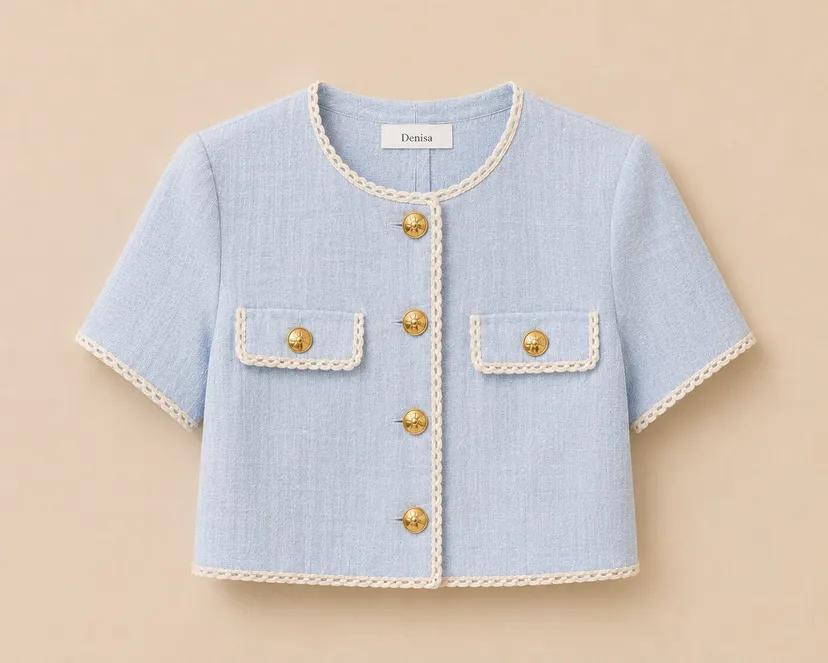
The simplest way to maximise daylight is to wear your brightest piece closest to your face. A Powder Blue Blouse with its soft bouclé texture and antique gold buttons catches light beautifully and adds polish to both casual and more formal looks.
Pair it with deeper bottoms such as the Military Pleated Wide Leg Trousers in off white for subtle contrast, or with black trousers for stronger blocking. The blouse’s cropped collarless shape sits neatly under jackets and layers easily over fine knits on colder days.
For weekends, a Cropped Cable Knit Roll Neck Jumper in winter white offers cosy texture and a bright block that works well with high-waisted skirts or trousers. Its cropped length prevents bulk while the roll neck adds practical warmth around the face where light matters most.
Using Co-ords and Separates Strategically
Co-ords provide an easy foundation for colour blocking because the pieces are designed to work together. The Sets & Co-ords category includes options that can be split and worn with brighter or contrasting pieces to adjust the balance of light in your outfit.
For example, wear the jacket from a tonal set over a bright blouse, or pair the trousers with a different coloured top. This approach extends your wardrobe without adding excess items. See more ideas in our guide to Co-ord Sets and Matching Separates.
A Powder Blue Tweed Mini Skirt creates an effective bright block on the lower half when paired with a deeper knit or blouse in black or brown. Its A-line shape and braided trim add structure that balances the softness of winter knits.
Layering to Balance Warmth and Light
UK winter layering needs to balance warmth with the desire to keep bright colour visible. Start with a bright base layer such as the Floral Trim Sleeveless Top in white, then add a structured jacket or cardigan that reveals the brighter shade at the neckline and sleeves.
The Jackets & Blazers category offers styles that work well for this. A military-style rib knit cardigan left partly open over a bright blouse allows the lighter colour to show while providing extra warmth. On milder days, a lace-detail biker jacket in beige adds texture without hiding your chosen bright block.
Keep outer layers in neutral or deeper tones so the bright colour blocking remains the focus. This ensures the outfit stays practical for commuting while still delivering the daylight-maximising effect.
Practical Outfit Formulas for Short Days
Try these reliable combinations that use DENISA pieces to create effective colour blocking:
- Powder Blue Blouse tucked into Military Pleated Wide Leg Trousers, finished with a brown tartan peplum blazer for meetings or lunches.
- Cropped Cable Knit Roll Neck Jumper in white worn under a studded zip jacket from a co-ord set, paired with the matching trousers for weekend errands.
- Powder Blue Tweed Mini Skirt with a black suede-effect top from a two-piece set, layered with the Military Rib Knit Zip Cardigan for colder days.
- Floral Trim Sleeveless Top in white under a military gold button knit top in off white, teamed with wide-leg trousers for office days that stretch into evening.
These formulas use no more than three colours per outfit, keeping the blocking clear and easy to replicate even when time is short in the mornings.
Caring for Your Bright Winter Pieces
Bright and light colours need proper care to stay effective at reflecting light. Follow the guidance in our guide on how to keep white and ivory clothes bright to prevent greying or dulling that reduces their daylight-boosting benefit.
Store knits folded rather than hung to maintain shape, and spot-clean tweed and bouclé where possible to avoid unnecessary washing. With good care, these pieces will continue to serve you through multiple short UK winters.
Building a small collection of versatile bright separates means you can adapt quickly to the limited daylight without overthinking your outfits. The result is practical, mood-supporting dressing that works with real British winter days rather than against them.
Shop the edit
 Powder Blue Blouse£89.99
 Powder Blue Tweed Mini Skirt£89.99
 Cropped Cable Knit Roll Neck Jumper£59.99
 Military Pleated Wide Leg Trousers£99.99
Frequently asked questions
What are the best colours for UK winter colour blocking?
Powder blue, winter white, soft pink and warm off-white work beautifully against deeper neutrals. These shades reflect more light and pair easily with the tailored and knit pieces already in most wardrobes.
Style notes from the DENISA team. Fit, fabric and care vary by piece, so always check the product page and the care label. Back to the DENISA blog.