
How to Stop Ribbed Knit Midi Dresses Clinging in Cold Weather
By the DENISA teamPublished 6 min read
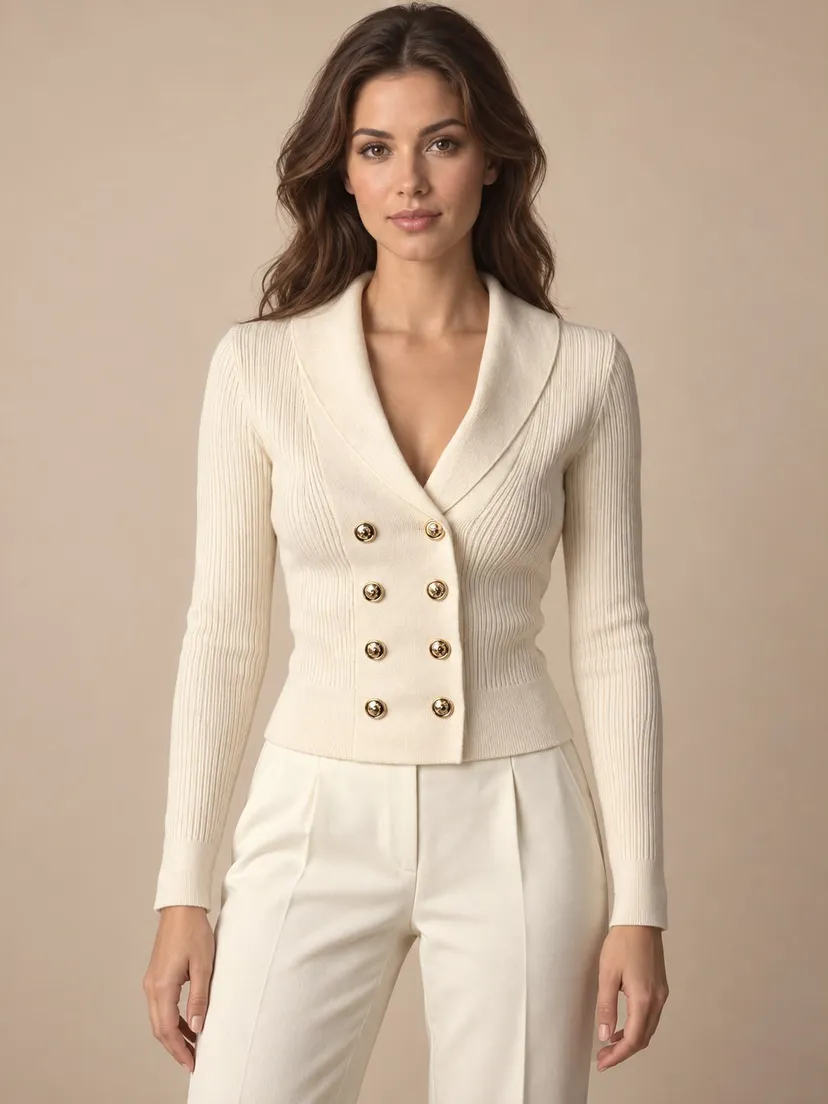
Quick answer
- Tuck hems smoothly into high-waisted trousers to eliminate cling.
- Roll sleeves or necks neatly for a cleaner silhouette under layers.
- Layer with structured jackets or cardigans to add shape and prevent sticking.
- Choose high-waisted bottoms and fitted tops to balance the ribbed texture.
Ribbed knit midi dresses are a practical choice for AW26 because the stretchy texture keeps you warm without bulk. The main challenge in cold weather is stopping them from clinging to your legs or riding up, which is easily fixed with deliberate tucking, rolling and layering. These methods create structure, improve movement and let the dress sit smoothly against your body.
This guide shares specific techniques that work with the ribbed construction so you stay comfortable and polished from morning commutes to evening events. The advice applies across different rib weights and colours, focusing on what actually prevents the common problems.
Choose the Right Base Layers for Ribbed Knit Midi Dresses
Start with foundations that create separation between skin and the ribbed fabric. A smooth slip or fine tights stops static and reduces direct cling. For extra warmth in freezing temperatures, add thermal leggings that end at the ankle so they do not bunch under the dress hem.
High-waisted options are key. The Military Pleated Wide Leg Trousers give a firm waistband that anchors the dress when tucked. The structured pleats add volume at the hip, countering the narrow rib effect and preventing the dress from wrapping too tightly around the thighs.
Master Tucking Techniques to Stop Cling
Tucking is an effective way to control a ribbed knit midi dress in winter. Pull the dress down smoothly, then tuck the excess fabric evenly into the waistband of trousers or a skirt. Aim for a flat tuck rather than bunching; the rib will compress neatly and create a defined waist.
For a cleaner finish, tuck only the front and sides, leaving the back slightly looser for movement. This works particularly well with wide-leg styles because the trousers balance the proportions. Avoid tucking into low-rise bottoms as they allow the dress to shift. Pairing with the Knitwear category lets you add a cropped layer on top that hides any tuck lines.
Tuck and Layer with Jackets for Office Days
Once tucked, add a structured jacket. The Tartan Check Peplum Blazer nips in at the waist and flares over the hip, creating a silhouette that stops the ribbed dress from clinging to the lower body. Button it partially so the dress fabric peeks out only where you want it.
Perfect Rolling Methods for Sleeves and Necks
Rolling works when your ribbed knit midi dress has sleeves or a roll neck that feels too tight in layers. Fold the cuff once or twice to create a neat band that sits away from the wrist. This prevents the rib from stretching and clinging to your arms while adding a casual texture contrast.
For necklines, gently roll a turtleneck down once to sit as a mock neck. This reduces bulk under scarves or coats and stops the fabric from gripping your jawline. The Cropped Cable Knit Roll Neck Jumper demonstrates this when worn under a dress; its shorter length means you can roll the neck without it riding up.
Roll the dress hem slightly outward if it is catching on boots. A single outward roll creates a subtle weight that helps the fabric fall straight rather than wrapping around the calf.
Effective Layering Strategies for Cold Weather
Layering adds insulation and structure without adding weight. Start with the dress, tuck as described, then add a cardigan that zips rather than buttons. The Military Rib Knit Zip Cardigan matches the rib texture so it blends rather than fights the dress underneath, while the zip allows easy temperature control.
On milder days wear the cardigan open over the dress. When it gets colder, zip it fully and add a blazer on top. This sandwich of textures stops the dress from clinging to your back or sides because the outer layers hold everything in place.
Try the Military Gold Button Short Sleeve Knit Top underneath a sleeveless ribbed midi dress. The short sleeves and gold buttons add interest at the neckline while the fitted knit creates a smooth base that the outer dress glides over instead of sticking.
Balance Proportions with Accessories and Outerwear
Accessories can reinforce the tuck-and-roll approach. A slim belt worn over a tucked dress defines the waist and stops fabric from shifting. Choose one with a matte finish so it does not catch on the rib texture.
Outerwear choices matter. A lace-detail biker jacket adds edge and weight at the shoulders, pulling the eye upward and balancing the midi length. For more formal settings, the Jackets & Blazers selection includes styles with peplum hems that sit neatly over the dress without crushing the rib.
Footwear also helps. Knee-high boots with a slight heel create a vertical line that counters any horizontal cling at the hem. Tuck the dress inside the boot shaft if the length allows, or let it finish just above for a clean break.
Style Ribbed Knit Midi Dresses for Different Occasions
For daytime, tuck the dress into wide-leg trousers and add the military zip cardigan. The combination feels put-together yet comfortable for meetings or travel. Swap the trousers for a pencil skirt on days when you need a narrower silhouette; the rib will sit flat against the firmer fabric.
Evening calls for lighter layering. Remove the cardigan and add a metallic long-sleeve top underneath so the sleeves peek out. The sheen contrasts with the matte rib and stops the dress from looking flat under artificial light. Our Dresses range includes midi styles that follow the same principles when temperatures drop.
Weekend casual looks benefit from rolling the sleeves or neck and layering with a suede-effect jacket. The texture difference prevents everything from blending into one clinging mass.
Care Tips to Maintain Shape and Reduce Cling
Proper care keeps the rib from stretching out, which makes clinging worse over time. Wash ribbed knit midi dresses on a cool cycle inside a mesh bag to protect the texture. Lay flat to dry rather than hanging, as gravity can pull the ribs out of shape and create uneven cling points.
Steam instead of ironing to relax the fabric without flattening the ribs. A light mist of fabric spray with anti-static properties helps on particularly dry winter days when static makes the dress stick to tights or slips.
Rotate your dresses so the same areas do not get repeated stretch from tucking. With these habits the pieces stay reliable through the whole season.
These techniques turn ribbed knit midi dresses into reliable winter wardrobe staples. By focusing on how the fabric behaves in cold conditions and addressing it directly with tucks, rolls and layers, you get the warmth and polish without the frustration of constant adjustments. Explore more options in our New In section to build outfits that work with these methods.
Shop the edit
 Military Rib Knit Zip Cardigan£69.99
 Cropped Cable Knit Roll Neck Jumper£59.99
 Military Gold Button Short Sleeve Knit Top£69.99
 Military Pleated Wide Leg Trousers£99.99
Frequently asked questions
How do you stop a ribbed knit midi dress from riding up in winter?
Pair it with high-waisted trousers or a slip underneath, then tuck the dress hem neatly inside the waistband. This creates a smooth line that stays in place even when you move.
Can you wear a ribbed knit midi dress for both day and evening in cold weather?
Yes. Layer it with a zip cardigan or blazer for daytime, then swap to a metallic top underneath for evening. The versatile length works across occasions when styled properly.
Style notes from the DENISA team. Fit, fabric and care vary by piece, so always check the product page and the care label. Back to the DENISA blog.